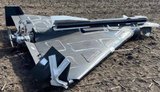
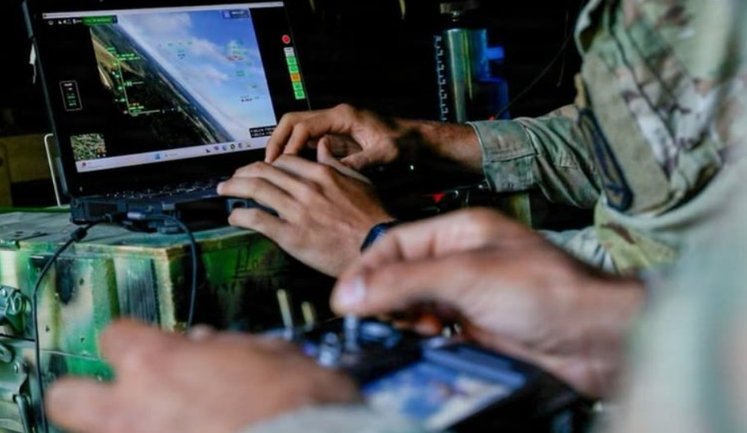
Serhii "Flash" Beskrestnov, a key advisor to Ukraine's Ministry of Defence, provides essential updates on the ongoing conflict. Russian activities, including the use of UAVs such as Shahed drones equipped with Starlink and innovative warfare tactics like radio silence mode in Lancet drones, pose significant challenges. Beskrestnov emphasizes the evolving nature of the battlefield, highlighting the threat from advanced drones and Russia's attempts to counter Ukraine's technology, such as utilizing jet-powered UAVs and Starlink terminals. Ukraine's Defence Forces continue to innovate, testing FPV drones capable of long-range strikes, reinforcing their resilience against these threats.
How do Russian UAVs impact Ukraine's defense strategy?
Russian UAVs, like Shahed drones, equipped with advanced technologies challenge Ukraine's air defense. The threat of jet-powered drones and kamikaze models has led Ukraine to develop counter-strategies and test new FPV drones to neutralize these threats effectively.
What technological challenges does Ukraine face with Starlink?
Ukraine faces significant challenges with Starlink, as Russian forces exploit these satellite communications for strategic advantages. This includes using Starlink terminals on drones and within military operations, prompting Ukraine to impose emergency restrictions and seek alternative communications solutions.
What advancements have been made in Ukraine's drone technology?
Ukraine has advanced its drone technology by testing and deploying FPV drones capable of long-range assaults, up to 150 km. These advancements aim to bolster Ukraine's strike capabilities and counter the threats posed by Russian UAVs and other advanced technologies.
What role does Serhii Flash Beskrestnov play in Ukraine's defense?
Serhii "Flash" Beskrestnov serves as an advisor to Ukraine's Minister of Defence, focusing on technological aspects. His insights and strategic recommendations are crucial in adapting Ukraine's defenses against evolving threats from Russian military technologies, particularly in UAV and drone warfare.
How has radio silence mode changed drone warfare?
Radio silence mode in Russian Lancet drones significantly alters drone warfare by making these UAVs harder to detect and counter. This tactic increases their effectiveness, necessitating Ukraine to develop new detection methods and countermeasures to mitigate the enhanced threat they pose.