10188 visitors online
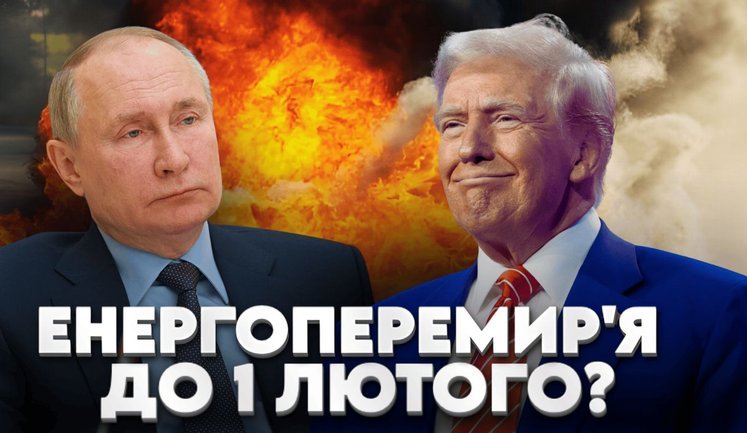
As 2025 progresses, dialogues around achieving a truce in Ukraine continue to dominate the geopolitical agenda. Ukraine has expressed readiness for an energy ceasefire, hoping to stabilize affected regions amidst the ongoing conflict with Russia. The international community, including the US and EU, plays a decisive role in fostering peace talks. However, Russia remains firm on preconditions for cessation, often citing unresolved "root causes" to justify continued aggression. Meanwhile, global powers like China advocate for temporary ceasefires, emphasizing the importance of political resolutions. This global involvement underlines both the complexity of the conflict and the potential ripple effects of peace in Ukraine on worldwide security and economy.

Why does Russia resist agreeing to a truce with Ukraine?

Russia's hesitance to agree to a truce with Ukraine is primarily due to its insistence on resolving what it describes as the "root causes" of the conflict. This stance includes specific political and territorial demands that Russia feels must be addressed before a sustainable peace agreement can be achieved. Moreover, Russia seeks to maintain its strategic advantages and fears losing ground in ongoing negotiations.
What are the conditions set by Ukraine for a truce with Russia?

Ukraine has outlined its conditions for a truce, including the cessation of all military hostilities and the protection of civilian lives. The Ukrainian government emphasizes the need for an unconditional and comprehensive ceasefire, urging Russia to halt attacks on civilian areas and participate in good faith negotiations. The proposal aims at securing a lasting peace, ensuring stability, and opening paths for post-conflict recovery.

How is the international community involved in the Ukraine truce discussions?

The international community, including the United States, European Union, and China, heavily engages in facilitating truce discussions in Ukraine. Initiatives such as proposed international stabilization forces, sanctions threats, and diplomatic negotiations are integral to the external efforts to mediate peace. These global players aim to bring both parties to the negotiating table by balancing sanctions with diplomatic incentives and calls for ceasefire resolutions at international forums like the UN Security Council.

What role does the United States play in the proposed Ukraine ceasefire?

The United States plays a pivotal role in the Ukraine ceasefire efforts, advocating for resolutions at the United Nations and proposing measures like a stabilization force. It underscores diplomatic pressure by threatening sanctions and engaging in high-level talks with Ukrainian and Russian officials. The U.S. also supports Ukraine in defense and economic assistance, aligning with its strategic interests in fostering European stability and countering Russian influence.

What measures are EU countries taking to support Ukraine during the truce talks?

EU countries actively participate in supporting Ukraine by preparing to send military instructors and aid as part of the European Union Military Assistance Mission (EUMAM) once a ceasefire is established. They are also instrumental in diplomatic efforts to ensure compliance with proposed ceasefire terms, offering logistical and humanitarian aid. Additionally, EU nations collaboratively threaten sanctions to pressure Russia towards agreement, reiterating solidarity with Ukraine and condemning ongoing hostilities.

What are the challenges faced in achieving a lasting ceasefire in Ukraine?

The primary challenges in achieving a lasting ceasefire in Ukraine include diplomatic stalemates due to mutual distrust, differing preconditions for peace set by Russia and Ukraine, and ongoing military engagements that undermine ceasefire proposals. The complexity of geopolitical interests, both regional and global, contributes to fluctuating negotiations. Furthermore, violations of existing temporary ceasefires and reluctance to compromise on territorial and political disputes exacerbate the situation.

How does the truce in Ukraine impact global geopolitical stability?

The truce in Ukraine significantly influences global geopolitical stability. Successful peace negotiations could halt regional hostilities and ease tensions among major powers involved in the conflict. This shift can lead to reduced military expenditure and promote economic recovery both within the region and globally. Conversely, failure to secure a ceasefire might escalate tensions, lead to prolonged military engagements, and exacerbate humanitarian crises, affecting international diplomatic dynamics and economic markets as well.
show details

Articles Truce

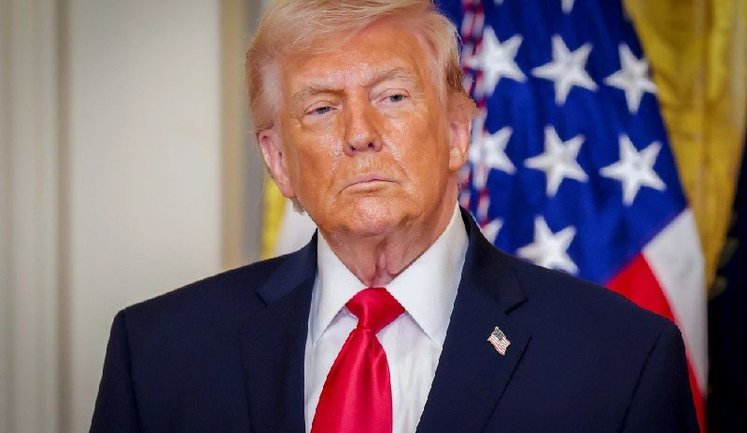
Trump and his team’s statements on peace Will peace come after latest statements by US president and his team? No, it doesn’t. This means only one thing - that for the first time, Trump has formulated his position for negotiations in the form of a 30-day truce on the current front line. 14 461 39 Previously in trend: statement of peace Peace negotiations US demands for Ukraine in peace talks ceasefire between Ukraine and Russia
Ukraine in 2016: A brief summary Ukraine in 2016: A brief summary If you ask an average citizen in Ukraine about the progress of reforms in 2016, you will most likely hear that nothing has changed. According to many, over the past year there has been little improvement when comparing the population’s high demands and expectations with the actual results. However, a closer look at the reforms might prove the opposite. 305 0

Guns Of August: Fears Of Full-Scale War Return As Casualties Mount In Ukraine Guns Of August: Fears Of Full-Scale War Return As Casualties Mount In Ukraine Even without provocation from Kyiv, there are concerns in Ukraine that Russia could be gearing up for a new offensive. 300 0

Yards From War, Miles From Peace Yards From War, Miles From Peace Ukraine’s troops at the front lines complain Kyiv is needlessly hampering their ability to fight. 332 0 Previously in trend: Russian aggression against Ukraine War

John McCain: The Russia-Ukraine cease-fire is a fiction John McCain: The Russia-Ukraine cease-fire is a fiction It is time that the United States and our European allies recognize the failure of the Minsk agreement and respond with more than empty rhetoric. 201 0 Previously in trend: Russian aggression against Ukraine

Putin rules out war with Ukraine as diplomats try to salvage peace deal Putin rules out war with Ukraine as diplomats try to salvage peace deal The Russian President Vladimir Putin ruled out an 'apocalyptic scenario' of a full-scale war in Ukraine, amid continuing shelling of Ukrainian territories and troops by the Russia-backed terrorists despite the agreed cease-fire. 277 0

Fight club Fight club After the war that was not a war, the ceasefire that is not a ceasefire. 263 0