8987 visitors online
As 2025 progresses, dialogues around achieving a truce in Ukraine continue to dominate the geopolitical agenda. Ukraine has expressed readiness for an energy ceasefire, hoping to stabilize affected regions amidst the ongoing conflict with Russia. The international community, including the US and EU, plays a decisive role in fostering peace talks. However, Russia remains firm on preconditions for cessation, often citing unresolved "root causes" to justify continued aggression. Meanwhile, global powers like China advocate for temporary ceasefires, emphasizing the importance of political resolutions. This global involvement underlines both the complexity of the conflict and the potential ripple effects of peace in Ukraine on worldwide security and economy.

Why does Russia resist agreeing to a truce with Ukraine?

Russia's hesitance to agree to a truce with Ukraine is primarily due to its insistence on resolving what it describes as the "root causes" of the conflict. This stance includes specific political and territorial demands that Russia feels must be addressed before a sustainable peace agreement can be achieved. Moreover, Russia seeks to maintain its strategic advantages and fears losing ground in ongoing negotiations.
What are the conditions set by Ukraine for a truce with Russia?

Ukraine has outlined its conditions for a truce, including the cessation of all military hostilities and the protection of civilian lives. The Ukrainian government emphasizes the need for an unconditional and comprehensive ceasefire, urging Russia to halt attacks on civilian areas and participate in good faith negotiations. The proposal aims at securing a lasting peace, ensuring stability, and opening paths for post-conflict recovery.

How is the international community involved in the Ukraine truce discussions?

The international community, including the United States, European Union, and China, heavily engages in facilitating truce discussions in Ukraine. Initiatives such as proposed international stabilization forces, sanctions threats, and diplomatic negotiations are integral to the external efforts to mediate peace. These global players aim to bring both parties to the negotiating table by balancing sanctions with diplomatic incentives and calls for ceasefire resolutions at international forums like the UN Security Council.

What role does the United States play in the proposed Ukraine ceasefire?

The United States plays a pivotal role in the Ukraine ceasefire efforts, advocating for resolutions at the United Nations and proposing measures like a stabilization force. It underscores diplomatic pressure by threatening sanctions and engaging in high-level talks with Ukrainian and Russian officials. The U.S. also supports Ukraine in defense and economic assistance, aligning with its strategic interests in fostering European stability and countering Russian influence.

What measures are EU countries taking to support Ukraine during the truce talks?

EU countries actively participate in supporting Ukraine by preparing to send military instructors and aid as part of the European Union Military Assistance Mission (EUMAM) once a ceasefire is established. They are also instrumental in diplomatic efforts to ensure compliance with proposed ceasefire terms, offering logistical and humanitarian aid. Additionally, EU nations collaboratively threaten sanctions to pressure Russia towards agreement, reiterating solidarity with Ukraine and condemning ongoing hostilities.

What are the challenges faced in achieving a lasting ceasefire in Ukraine?

The primary challenges in achieving a lasting ceasefire in Ukraine include diplomatic stalemates due to mutual distrust, differing preconditions for peace set by Russia and Ukraine, and ongoing military engagements that undermine ceasefire proposals. The complexity of geopolitical interests, both regional and global, contributes to fluctuating negotiations. Furthermore, violations of existing temporary ceasefires and reluctance to compromise on territorial and political disputes exacerbate the situation.

How does the truce in Ukraine impact global geopolitical stability?

The truce in Ukraine significantly influences global geopolitical stability. Successful peace negotiations could halt regional hostilities and ease tensions among major powers involved in the conflict. This shift can lead to reduced military expenditure and promote economic recovery both within the region and globally. Conversely, failure to secure a ceasefire might escalate tensions, lead to prolonged military engagements, and exacerbate humanitarian crises, affecting international diplomatic dynamics and economic markets as well.
show details

Videos news Truce

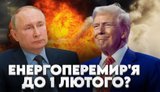
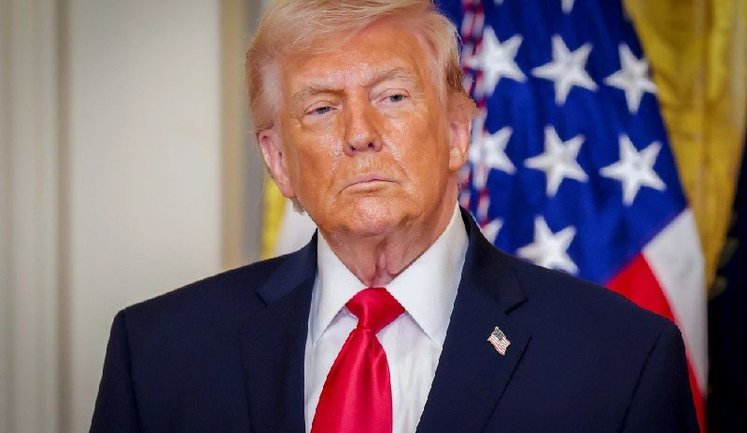
Donald Trump’s "energy truce" with Vladimir Putin is only a pause Energy truce until February 1: When to expect strikes? || Uncensored. VIDEO The "energy truce" that Donald Trump announced after a conversation with Vladimir Putin is not a goodwill gesture. It is only a short pause that does not remove the threat of new strikes on Ukraine’s energy sector, especially in the dead of winter. 2 061 16 Previously in trend: Establishment of energy truce

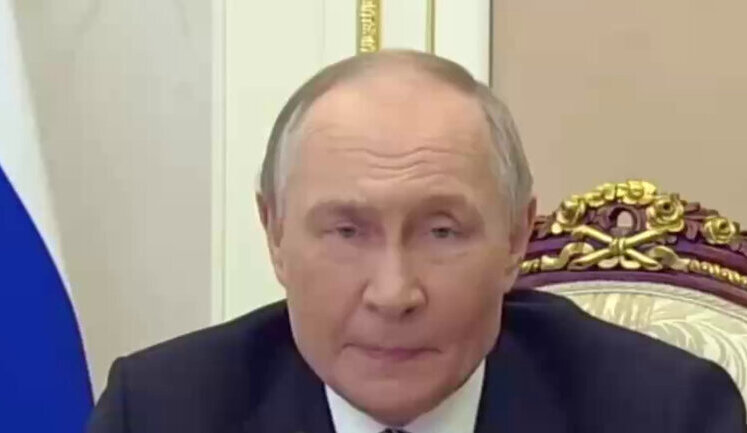
Putin declares a truce Putin announces "Easter truce" - Kremlin (updated). VIDEO Russian dictator Vladimir Putin has allegedly announced an Easter truce. 18 132 154 Previously in trend: Putin announced Easter truce

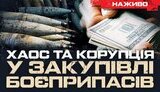
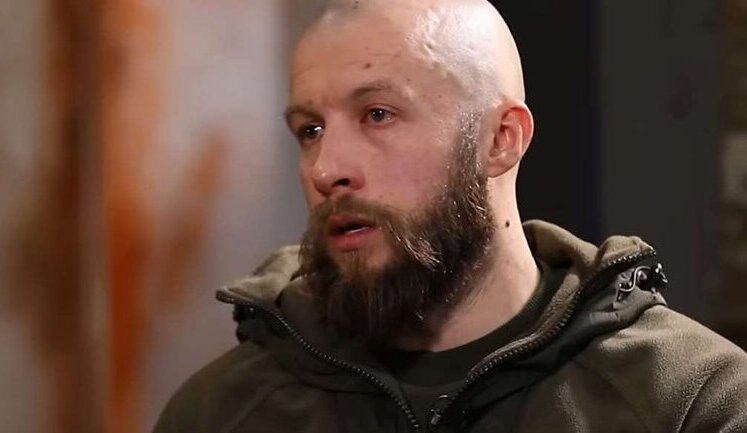
Butusov plus Chaos and corruption in ammunition procurement. Putin not seeking truce | Yurii Butusov. VIDEO Yurii Butusov, Editor-in-Chief of Censor.NET, will share his thoughts on problems with ammunition procurement for the Ukrainian Armed Forces, the situation on the front line, and Trump’s peace plan. 4 225 9 Previously in trend: Peace negotiations Butusov Plus Scandals with procurement for AFU
Consequences of the strike on Okhtyrka on 26 March 2025 Moscow is not going to make real peace, - Zelenskyy on night attack on Ukraine. VIDEO On the night of 26 March 2025, there were 117 more proofs of Russia's prolongation of this war in our skies - 117 attack drones, most of which were "chessmen". 2 683 17 Previously in trend: ceasefire between Ukraine and Russia

Putin does not want 30-day truce with Ukraine Russia is not interested in temporary truce, long-term peace is needed - Putin’s aide Ushakov. VIDEO Russia is not interested in a temporary truce in Ukraine. It needs a "long-term peace". 9 812 73 Previously in trend: 30-day ceasefire

Zelenskyy on the plan to end the war in Ukraine During 30-day ceasefire, plan to end war may be developed - Zelenskyy. VIDEO President Volodymyr Zelenskyy has called for a phased plan to end the war. One of its aspects will be a 30-day ceasefire. 2 287 25 Previously in trend: 30-day ceasefire

Zelenskyy tells what will happen if Russia refuses to call off ceasefire If Russia refuses ceasefire, we can count on strong steps from US, - Zelenskyy. VIDEO President Volodymyr Zelenskyy expects strong moves from the US if Russia abandons the ceasefire. 6 346 50 Previously in trend: 30-day ceasefire

Russia does not want truce, but agreements Truce is road to nowhere, Russia needs final agreements - Lavrov. VIDEO Russian Foreign Minister Sergey Lavrov said that a truce in Ukraine is a "road to nowhere". 11 341 81 Previously in trend: War

байден Putin is ’seeking oxygen’ with Christmas ceasefire in Ukraine," Biden. VIDEO U.S. President Joe Biden believes that Russian leader Vladimir Putin’s order to cease fire in Ukraine on Christmas Day is an attempt to get a breathing space for further military actions. 18 694 99 Previously in trend: War

рф Russia renounced Easter Armistice during UN meeting. VIDEO Russia renounced the Easter Armistice during a United Nations meeting. 30 711 72 Previously in trend: War