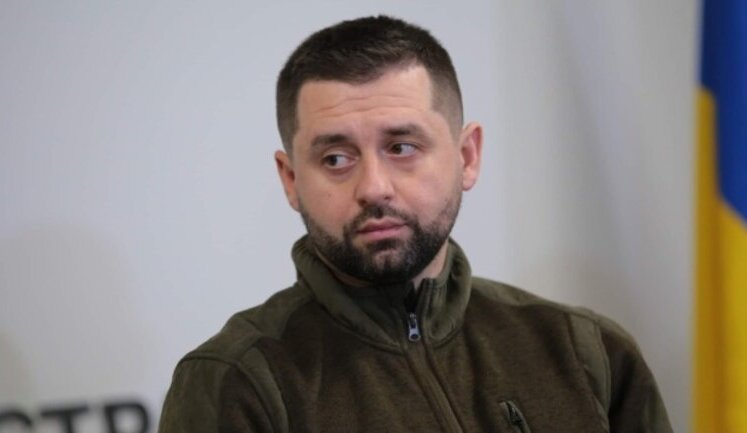
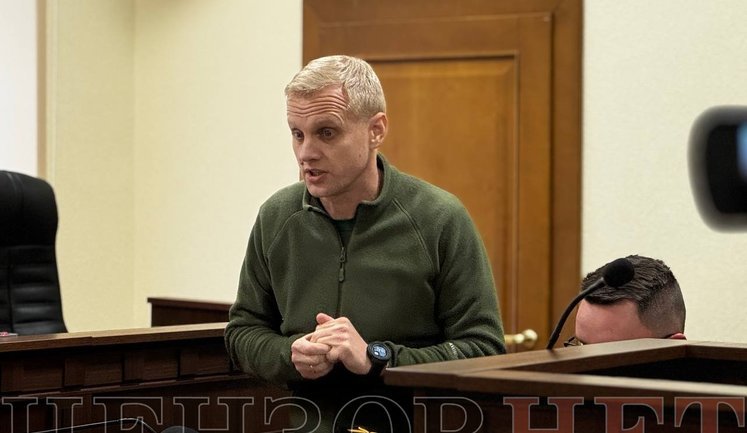
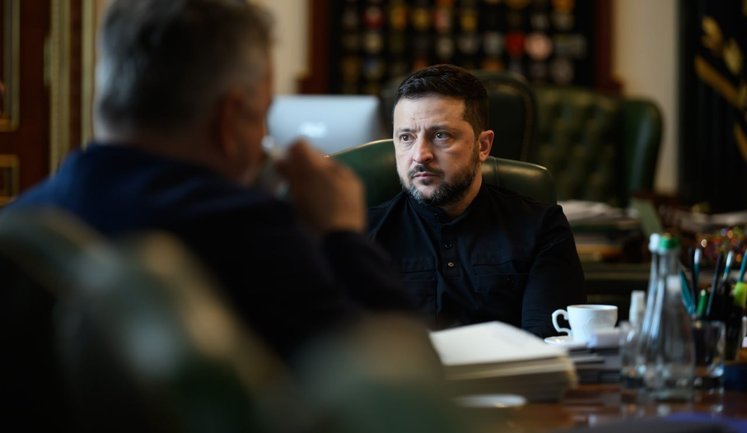
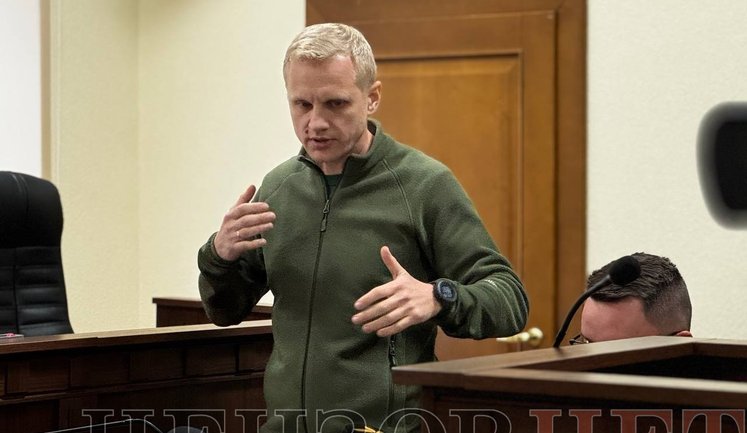
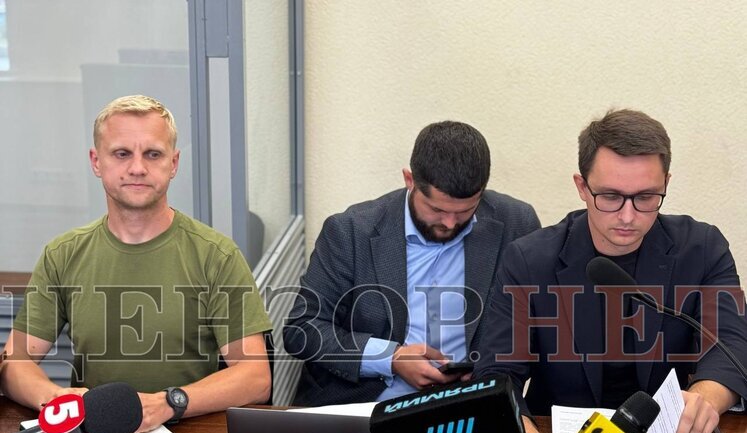
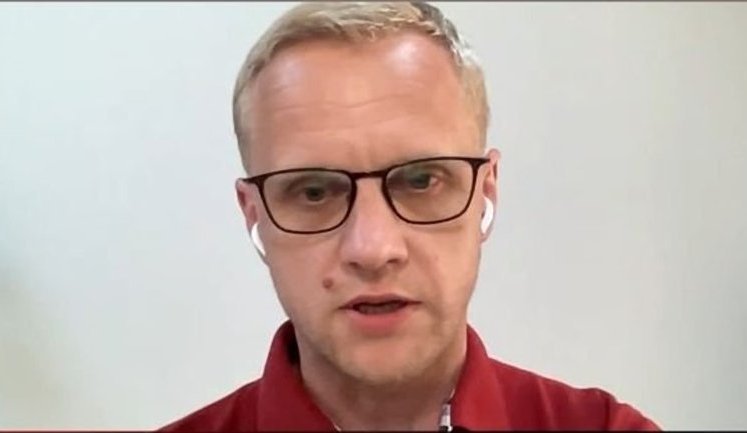
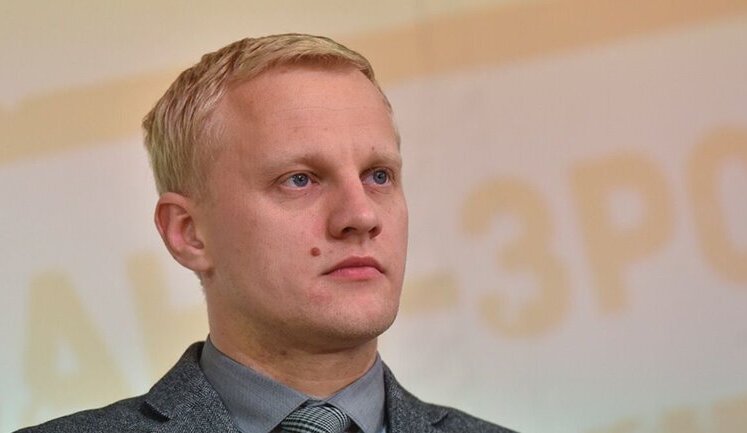
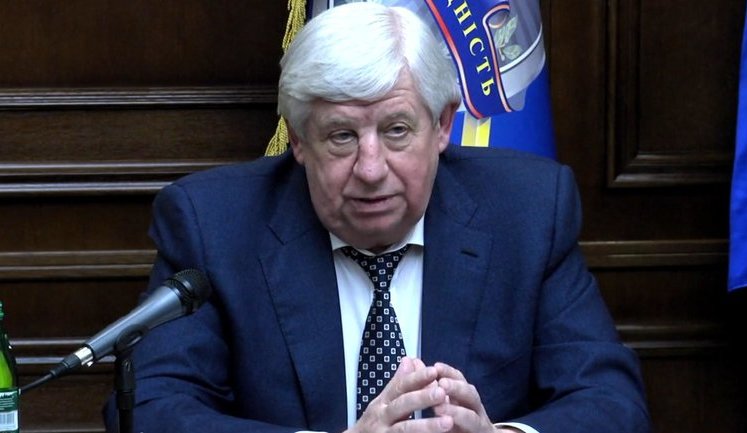
Vitalii Shabunin has emerged as a vocal critic of Ukraine's judicial and political climate, notably emphasizing the challenges in anti-corruption efforts. Shabunin has accused President Zelenskyy's government of inadequate reforms and a tendency to protect political allies from corruption charges. He argues that competitive processes in appointing state prosecutors are sidelined, leading to insufficient accountability in high offices. Shabunin also criticized lawmakers for blocking anti-corruption bills crucial for international aid, further asserting that Ukraine's path to European integration is at risk without substantial administrative reforms.
What are Vitalii Shabunin's main criticisms against Zelenskyy's administration?
Vitalii Shabunin criticizes Zelenskyy's administration for failing to combat corruption effectively, protecting allies instead of initiating necessary legal reforms, and hindering the nation's European integration prospects. He believes that corruption among high-ranking officials remains unchecked, and the government is preventing key anti-corruption legislation from passing to secure international aid.
How does Shabunin view recent appointments in Ukraine's judicial system?
Shabunin views recent appointments, like that of the acting Prosecutor General, as evidence of cronyism and lack of transparency. He highlights that crucial positions are often filled without a competitive process, leading to oversight failures such as ignoring suspicious asset declarations. This undermines public trust in the judicial system.
Why does Shabunin believe Ukraine's European integration is jeopardized?
Shabunin argues that Ukraine's European integration is at risk due to persistent corruption and stalled reforms in state institutions like the State Bureau of Investigation and Prosecutor General's Office. These issues create barriers to meeting EU standards and receiving needed international support, critical for integration.
What impact does Shabunin think corruption has on Ukraine's international relations?
Shabunin believes that corruption significantly impairs Ukraine's international relations by eroding trust required for foreign investment and aid. Failed legislative reforms that align with international anti-corruption norms threaten financial assistance and partnerships vital for Ukraine's development and integration into global frameworks.
What specific instances of government actions has Shabunin criticized?
Shabunin has criticized actions such as the removal of anti-corruption bills from legislative agendas, non-transparent judicial appointments, and political maneuvers that protect corrupt officials. He decries these as strategic moves to weaken anti-corruption bodies, thus maintaining a politico-economic status quo detrimental to national progress.
How does Shabunin view the role of Ukraine's legislators in anti-corruption efforts?
Shabunin views legislators, particularly from Zelenskyy's party, as obstructing anti-corruption progress by failing to pass necessary reform bills. This legislative inaction jeopardizes Ukraine's eligibility for international financial support and hampers critical reforms needed to root out systematic corruption.