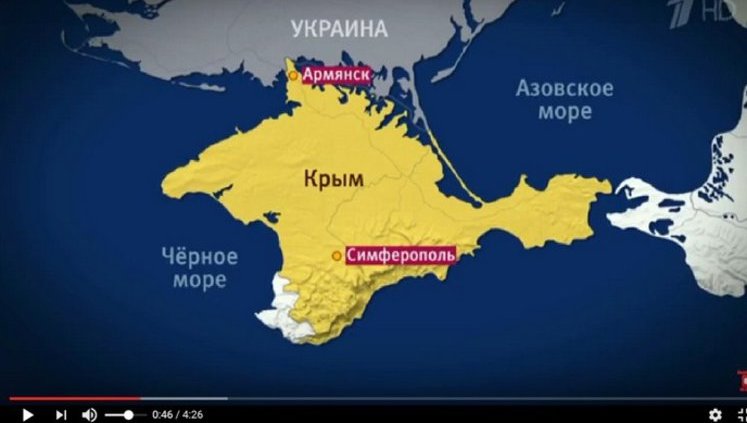
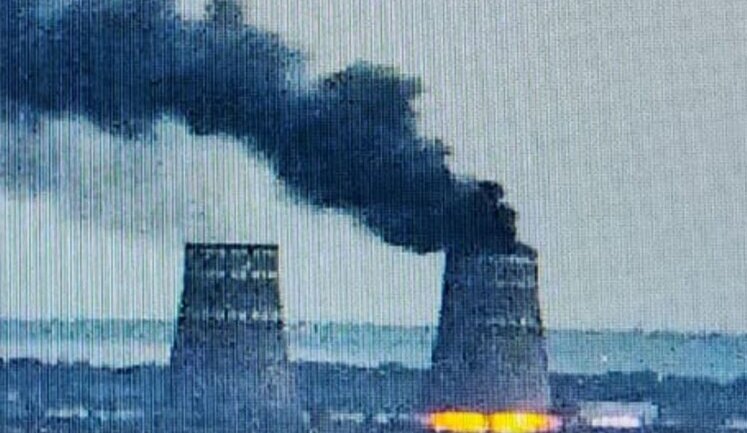
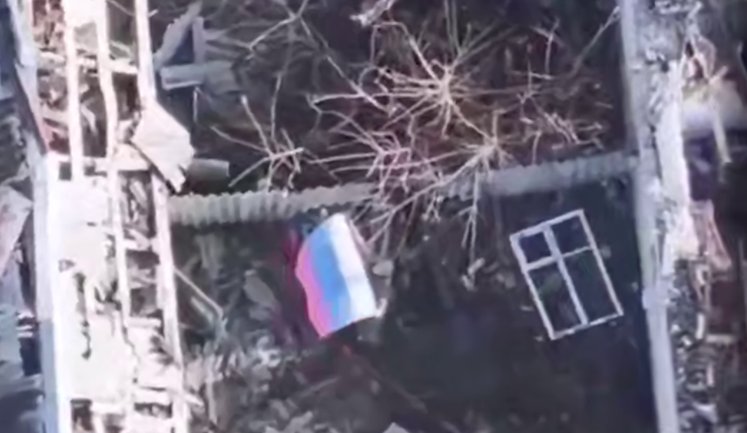
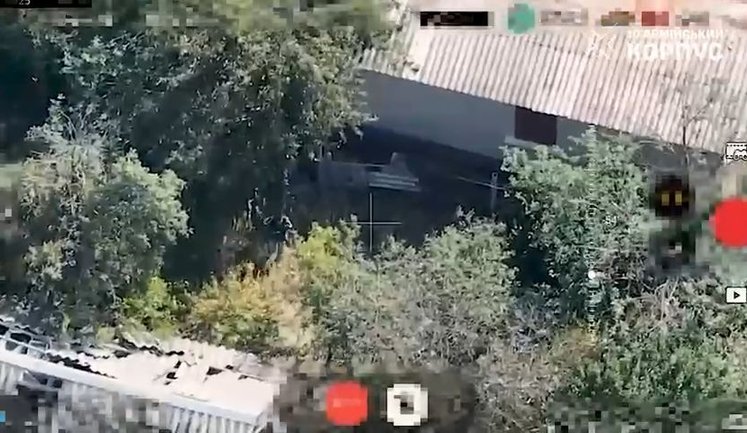
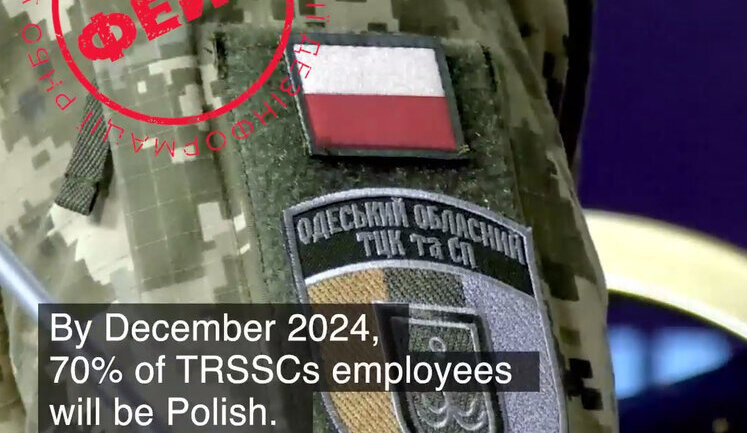
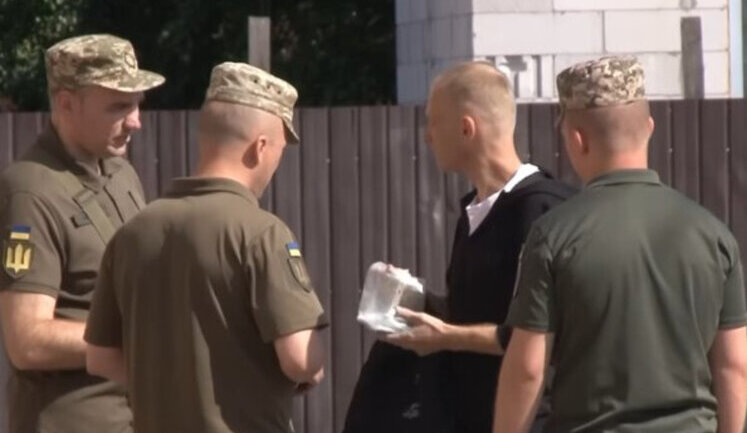
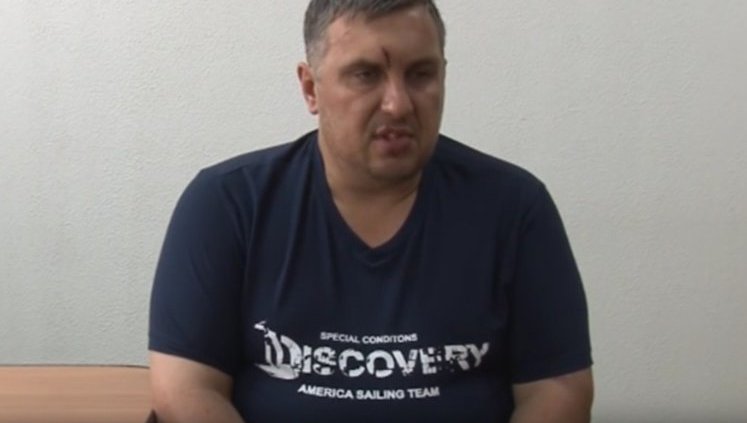
Numerous hoaxes and propaganda campaigns related to Ukraine have been exposed recently. The spread of fake news, such as the alleged involvement of Moldovan military personnel in the Ukraine conflict and false reports about missile productions, highlights the ongoing battle against disinformation. Notably, Ukrainian authorities have refuted claims of massive casualties and misleading mobilization efforts, while exposing Russian attempts to create an illusion of control in occupied areas through staged videos. These fabricated narratives aim to incite fear, spread misinformation, and falsely strengthen Russian narratives. Vigilant efforts by Ukrainian forces and media outlets continue to counteract these disinformation campaigns, ensuring the truth prevails and deceptions are dismantled.
What are the common types of hoaxes affecting Ukraine?
Common hoaxes affecting Ukraine include fake news about military engagements, misleading casualty reports, and propaganda aimed at discrediting Ukrainian leadership. These hoaxes are often propagated by entities seeking to manipulate public perception and destabilize the region. Hoaxes can involve fabricated documents, staged videos, and false statements attributed to Ukrainian officials. The focus is often to sow fear, confusion, and distrust among citizens and international observers.
How does disinformation about Ukraine spread?
Disinformation about Ukraine often spreads through social media platforms, including Telegram channels, manipulated videos, and fake news websites. Pro-Russian propaganda networks play a significant role in disseminating these hoaxes, strategically crafting narratives that align with their geopolitical objectives. False information is spread using visually compelling content, impersonated accounts, and altered documents, which can easily mislead audiences globally.
Why do Russian forces create staged videos?
Russian forces create staged videos to fabricate evidence of control and success in military operations. By portraying false narratives of success or Ukrainian aggression, they aim to deceive international communities, boost troop morale, and undermine confidence in Ukrainian efforts. Staged videos are part of broader psychological operations intended to sway public opinion and manipulate media narratives in Russia's favor.
What actions are being taken to counteract hoaxes?
To counteract hoaxes, Ukrainian authorities, along with various international organizations, are diligently working to verify and refute false information. These efforts include monitoring social media, debunking fake news through official statements, and engaging with the global community to raise awareness about ongoing disinformation campaigns. The involvement of independent media and fact-checking organizations is crucial in mitigating the spread of misinformation and ensuring accurate information reaches the public.
How can individuals identify fake news and hoaxes?
Individuals can identify fake news and hoaxes by critically evaluating the source of information, cross-referencing news with reputable outlets, and being cautious of sensationalist headlines. It's important to look for corroborating news from multiple credible sources and be wary of information spread through unofficial channels or anonymous accounts. Fact-checking websites and official statements from trusted organizations are valuable resources for verifying the validity of questionable claims.