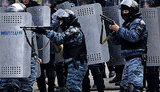
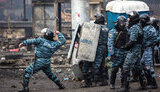
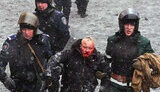
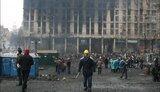
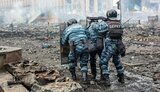
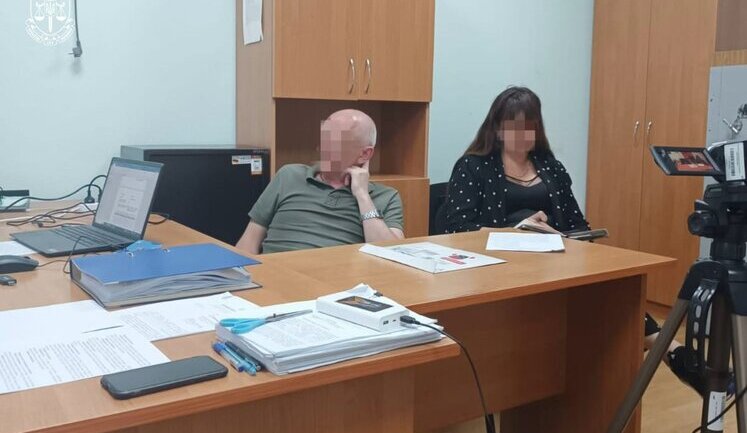
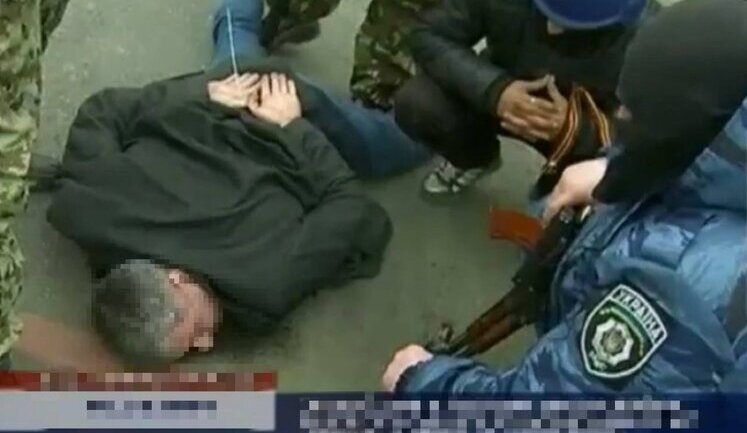
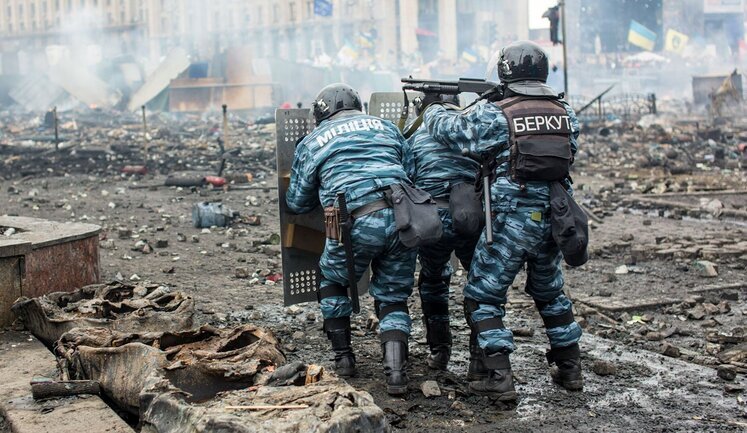
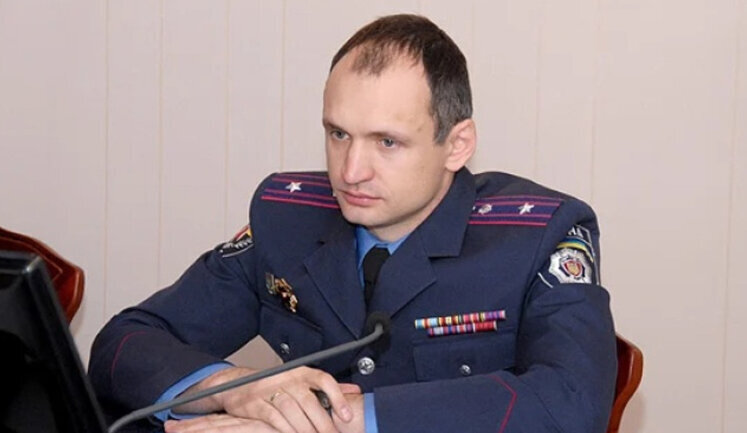
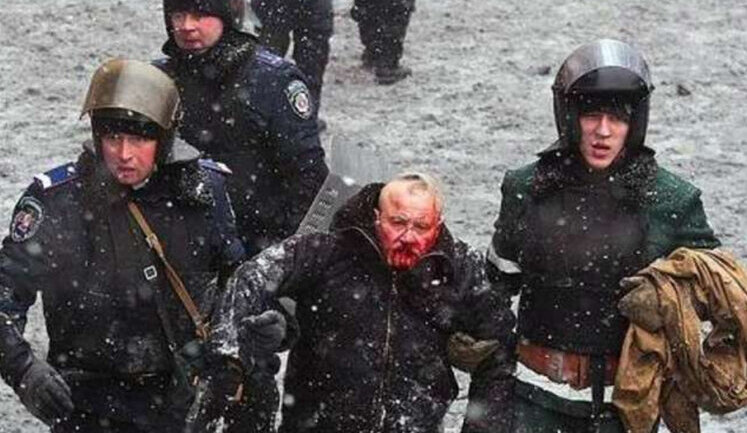
The Maidan case, centered around the events of February 18-20, 2014, involves numerous legal proceedings. Recently, a preparatory hearing against former President Yanukovych and security forces was delayed, shedding light on the complexity of this high-profile case. Despite significant public interest, no Ukrainian judges or prosecutors involved in prosecuting Euromaidan participants have faced convictions to date, according to the Prosecutor General’s Office. High-profile acquittals continue, such as that of those accused in the case of 72-year-old activist Mykola Pasichnyk. Meanwhile, there are new charges against Berkut commanders from Lviv, Kharkiv, and Sevastopol, accused of dispersing protesters unlawfully. Controversially, figures involved in kidnappings and severe abuses, like Oleksandr Volkov, have seen release from custody, raising serious public concerns over accountability in the Maidan cases. As investigations unfold, justice for the events at the Maidan remains a tumultuous journey with each new court decision and trial.
What is the significance of the Maidan case in Ukraine?
The Maidan case is pivotal for Ukraine as it deals with the tragic events of February 18-20, 2014, during the Revolution of Dignity. It involves complex legal proceedings against former officials, including ex-President Yanukovych, and security forces accused of organizing attacks on protesters. The case symbolizes Ukraine's ongoing struggle for justice and transparency and highlights issues of accountability and reform in the legal system.
Why has the Maidan case against Yanukovych been delayed?
The Maidan case against Yanukovych has faced numerous delays due to legal complexities and procedural hurdles. The Brovary City District Court has been holding preparatory hearings since June 2024, but these sessions have been repeatedly postponed, reflecting challenges in gathering evidence, legal representation issues, and other bureaucratic obstacles inherent in high-profile trials.
Have any prosecutors been convicted for actions against Euromaidan participants?
No, according to the Prosecutor General's Office, neither judges nor prosecutors who pursued actions against Euromaidan participants have been convicted. This absence of accountability raises significant questions about the judicial process and suggests a need for systemic reforms to ensure that legal recourse is available to address justice for past transgressions.
What recent developments have occurred in Maidan-related trials?
Recent tribunal developments include the acquittal of law enforcers involved in detaining activist Mykola Pasichnyk and charges against commanders of the Berkut in Lviv, Kharkiv, and Sevastopol for illegal protest dispersal. Furthermore, key figures linked to abductions, such as Oleksandr Volkov, have been controversially released, perpetuating public debates about justice fulfillment and systemic flaws.
What role does the Prosecutor General's Office play in the Maidan case?
The Prosecutor General's Office plays a crucial role in the Maidan case by supervising investigations and legal proceedings. It gathers evidence, issues charges, and represents the state in court. Their involvement ensures that the legal process adheres to national and international standards, aiming to bring justice to victims of the 2014 Revolution of Dignity.
Are there any other key individuals involved in the Maidan trials?
Yes, besides former President Yanukovych, notable figures include Roman Patselyak, an ex-commander of the Berkut, who has been granted bail, and several Berkut commanders served with notices of suspicion related to protest dispersion. These key individuals highlight the systemic issues in holding responsible parties accountable and the legal intricacies in resolving historical injustices.
What are the challenges in prosecuting Maidan cases effectively?
Prosecuting Maidan cases faces numerous challenges, such as gathering sufficient evidence, dealing with complex legal frameworks, political interference, and ensuring fair trials. Delays in proceedings, high-profile acquittals, and lack of convictions for those who prosecuted Euromaidan participants further underscore the difficulties in pursuing accountability within a fractured legal system.