Deportation has emerged as a critical issue involving Ukraine, Russia, and several other nations. In a recent incident, a Russian national was sentenced in Georgia for disruptive behavior before facing deportation. In occupied areas of Kharkiv, unlawful deportation practices have left a significant mark on the civilian population. Meanwhile, Polish opinion polls reveal majority support for deporting unemployed Ukrainian men. On a humanitarian front, Ukraine continues its efforts to return over 20,000 forcibly deported children from Russia, while international entities like the ICC consider actions against Belarus for its involvement in such deportations. These events show deportation's complex geopolitical and social dimensions.
What are the facts about the deportation of Russian citizens from Georgia?
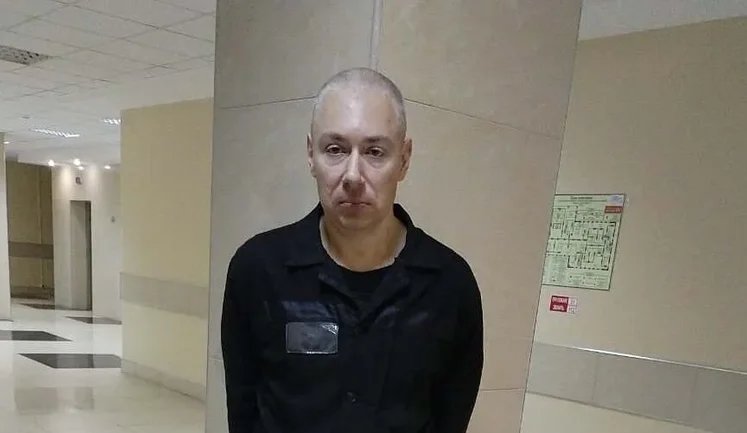
A Russian citizen in Georgia was sentenced to 15 days after causing a public disturbance. Following the sentence, he will be deported, and a three-year ban on entry to Georgia will be enforced. This highlights the current deportation protocols within the region and reflects geopolitical strains influencing national policies.
How has Kharkiv been affected by deportation activities?
In Kharkiv, the establishment of 29 torture centers in occupied territories has led to illegal deportations of civilians to Russia. Around 800 civilians were identified as being deported, marking a severe violation of human rights and international laws. Human rights activists continue to document such atrocities and push for international action.
What is the Polish public opinion on deporting unemployed Ukrainians?
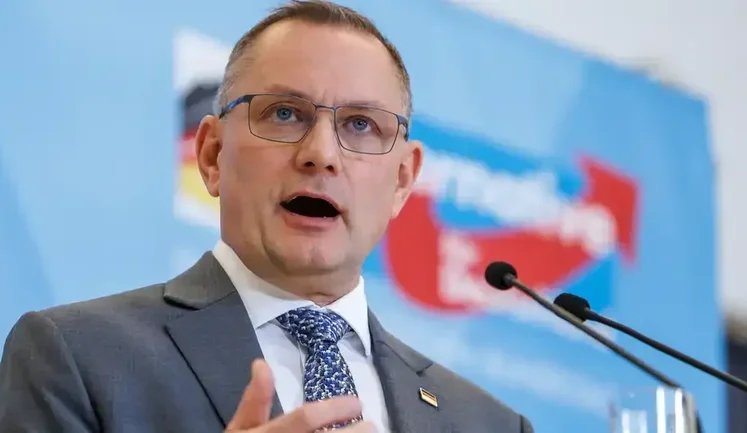
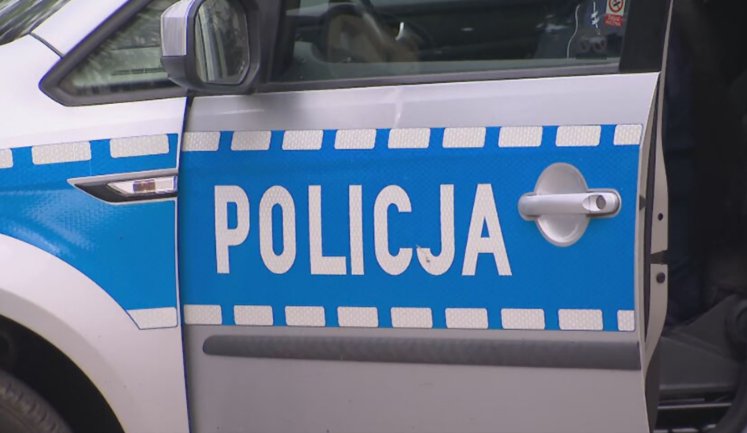
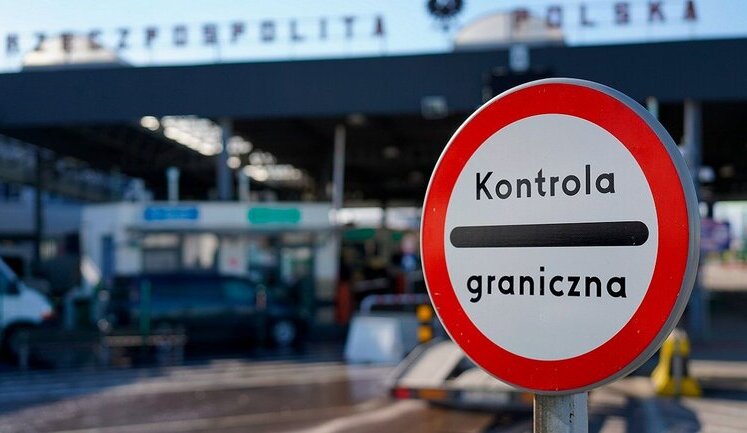
Recently, a majority of Polish citizens expressed support for deporting unemployed Ukrainian men, prompted by political movements. Specifically, 67.2% of respondents agreed with the proposal, reflecting broader regional tensions concerning migration and labor policies within Poland.
What measures is Ukraine taking concerning deported children?
Ukraine has made significant strides in repatriating its deported children. As of now, over 2,368 children have been returned from Russia, though 20,000 remain unaccounted for. Efforts involve collaboration with international organizations to ensure safe and swift return, underscoring the humanitarian aspect amidst ongoing conflict.
Are there international legal actions being taken regarding deportations?
International judicial bodies, including the International Criminal Court, are evaluating actions against countries like Belarus for their involvement in Russian-led deportations of Ukrainian children. Such legal scrutiny is pivotal as it seeks accountability and punitive measures against violators of international humanitarian laws.
How is geopolitical tension impacting deportation policies between Ukraine and neighboring countries?
Geopolitical tensions have heightened deportation issues, with Russia facing global criticism for manipulating deportation as a tool of war. Various nations, including Poland, are reacting with increased border and migrant control measures. These dynamics influence international relations and reflect the broader consequences of regional conflicts on migration policies.