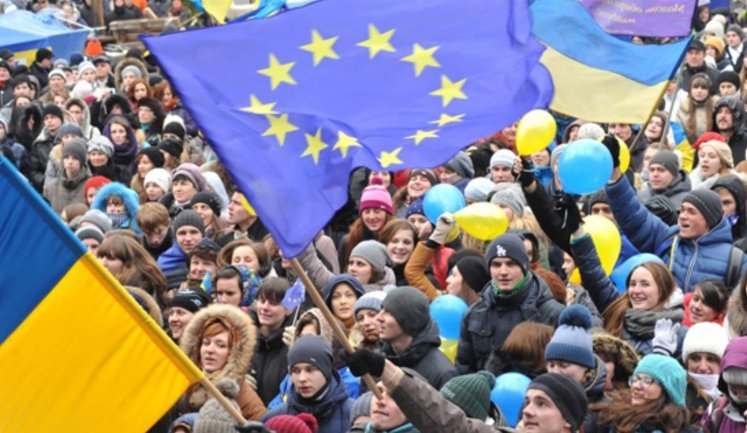
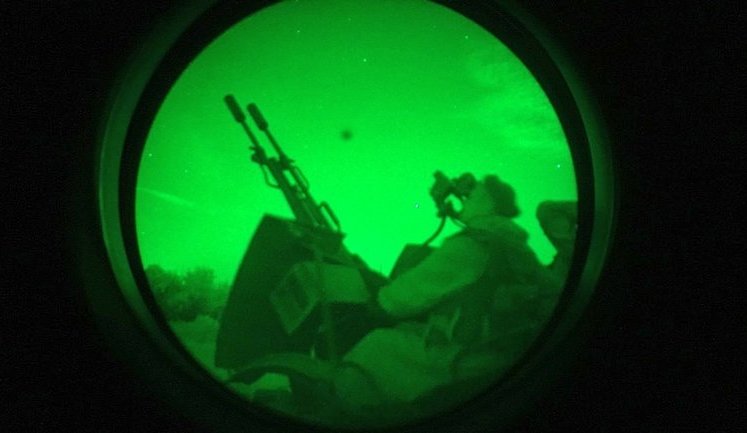
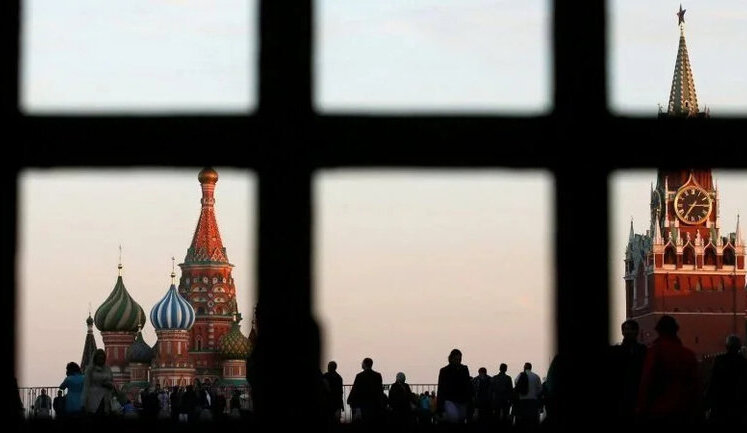
Europe is confronting significant security challenges as tensions rise with Russia. The European Commission reported that half of the EU is affected by unprecedented drought, straining resources and complicating political relations. Meanwhile, NATO has seen a 250% increase in air interceptions, indicative of escalating military presence. European leaders are actively engaged in talks to enhance defense capabilities, particularly against potential Russian aggression. Ukraine's involvement in European defense alliances underscores the vital role it plays in regional security. The strategic focus is on bolstering air and missile defenses, supporting Ukraine, and potentially expanding NATO membership as suggested by leaders like Zelenskyy. Diplomatic efforts emphasize negotiation with Russia, though trust remains strained. Europe must navigate these multifaceted threats while maintaining unity and stability within the region.
What is causing the drought in Europe?
The current drought affecting around 50% of Europe is attributed to record-breaking heatwaves and low rainfall, intensifying water shortages and affecting agriculture. The European Commission and climate experts indicate that prolonged periods of abnormal heat due to climate change are key contributors to this environmental crisis, impacting food security and the economy.
How is NATO responding to increased Russian aircraft activity?
NATO has increased its air patrols and interception of Russian aircraft near its borders by 250%. This surge aims to deter potential threats and ensure the security of European airspace. The Alliance is also discussing the strengthening of its defense systems and overall response strategies to fortify its positions against any form of Russian provocations or infringements.
Why is Ukraine crucial for European defense?
Ukraine is crucial for European defense as it serves as a frontline against Russian aggression, providing strategic depth and resilience to Europe. Its experience in handling hybrid warfare and advancing defense technologies makes it a vital ally in reinforcing regional security against Russian advances. Ukrainian support is pivotal for European security frameworks like anti-ballistic missile coalitions.
What are the implications of the U.S. troop presence in Europe?
The presence of U.S. troops in Europe is a cornerstone of the region's defense strategy, providing reassurance to NATO allies. Delays or reductions, as discussed by figures like President Trump and Pentagon officials, can impact strategic military balance and readiness, emphasizing the need for cohesive transatlantic defense contributions, particularly in light of heightened tensions with Russia.
How is Europe handling diplomatic engagements with Russia?
Europe is navigating complex diplomatic engagements with Russia, focusing on preventing further escalation of conflicts while supporting Ukraine. Various European leaders are preparing for discussions aimed at peace and resolutions, yet there is significant skepticism regarding trust and truthfulness from the Russian government. The strategy includes incentives for peaceful negotiations alongside strong defensive preparations.