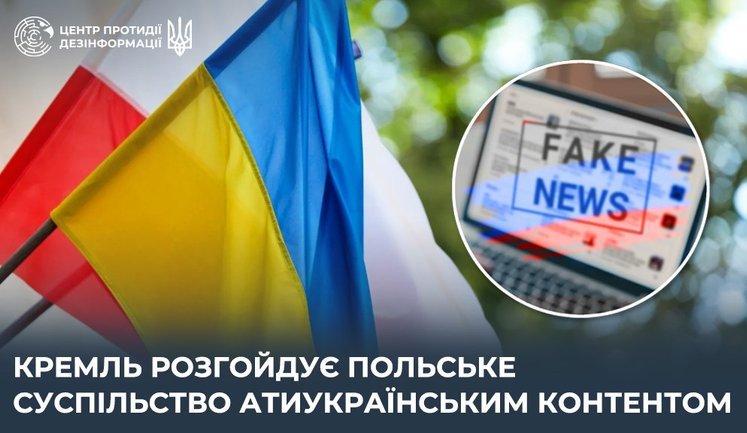
The Center for Counteracting Disinformation (CCD) plays a pivotal role in exposing falsehoods and propaganda spread by Russia. Recent reports by the CCD reveal Russia's manipulation in occupied Ukrainian territories through sham elections and misinformation about the Ukrainian military. Such measures aim to destabilize trust and instill fear among the populace. Propaganda narratives, like alleged shortages in Ukraine and fabricated military accomplishments, are actively countered by the CCD to maintain public confidence. The center also collaborates with international platforms, such as YouTube, to restrict channels that spread harmful content. These combined efforts are essential in combating disinformation and ensuring accurate representation of the ongoing geopolitical tensions.
What is the role of the Center for Counteracting Disinformation?
The Center for Counteracting Disinformation (CCD) is responsible for identifying and countering false narratives and propaganda spread mainly by Russia. This includes revealing the reality behind fabricated news, misinformation about military operations, and fake political events. The CCD works to ensure that information disseminated within and outside Ukraine is factual and reliable.
How does the CCD address misinformation in Russian-occupied territories?
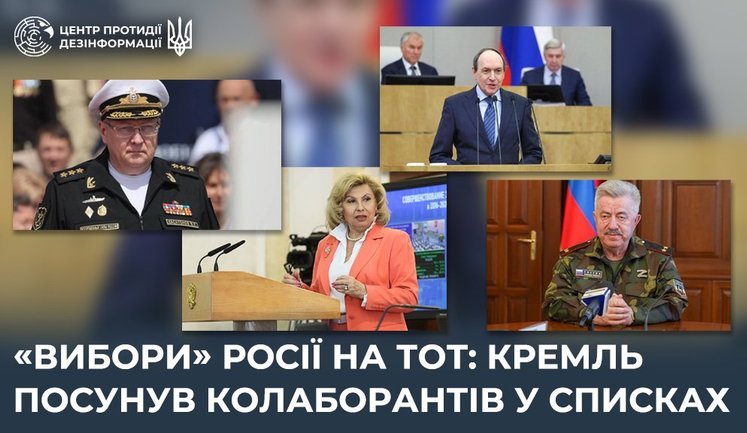
The CCD uncovers Russia's manipulation tactics, such as promoting sham elections and false candidate lists. They work to reveal Moscow's attempts to control information and undermine local governance in these regions, highlighting the extent of manipulation imposed on local collaborators and the population.
How has YouTube contributed to combating Russian propaganda according to the CCD?
YouTube has collaborated with the CCD by blocking channels that spread Russian propaganda in Ukraine. One significant example includes the restriction of channels featuring the "Masha and the Bear" animated series, which are used as tools of influence within the region.
What actions have the CCD taken regarding misinformation about Ukrainian resource shortages?
The CCD has actively debunked Russian propaganda that aims to incite panic by falsely claiming resource shortages in Ukraine. By providing clear, factual rebuttals, the CCD works to maintain public confidence and counter the destabilizing effects of such narratives.
Why did the CCD report that Russia recruits students for war in Ukraine?
The CCD reports that Russia attempts to recruit students from occupied territories by promising rewards and military contracts framed as lucrative opportunities. This is part of a broader effort to bolster their military ranks under the guise of beneficial contracts for young individuals who may be susceptible to such offers.
What are some examples of fake military news debunked by the CCD?
The CCD has exposed fake reports of Russian military success, such as the false claim of capturing a nonexistent village in Kharkiv and fictitious Ukrainian Army losses. These actions highlight ongoing efforts to safeguard the truth and combat Russian disinformation.
How does the CCD handle cross-border misinformation campaigns?
The CCD actively engages with international partners to address and negate cross-border misinformation campaigns. They track the dissemination of falsified information and work collaboratively to thwart narratives that could lead to strain in international relations, such as manipulations aimed at causing Poland-Ukraine tensions.