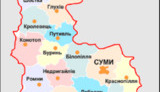
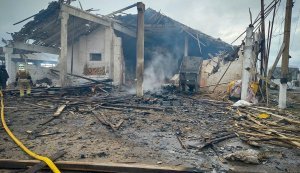
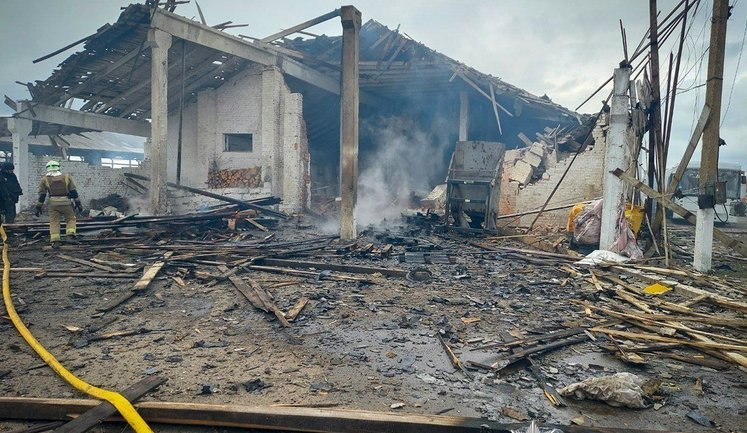
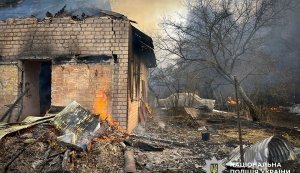
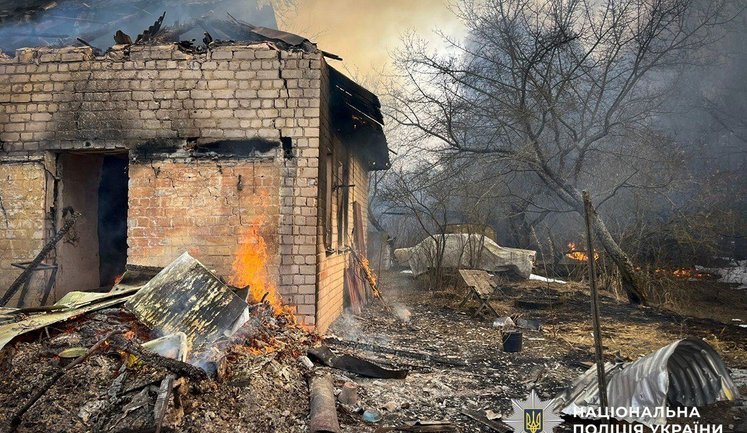
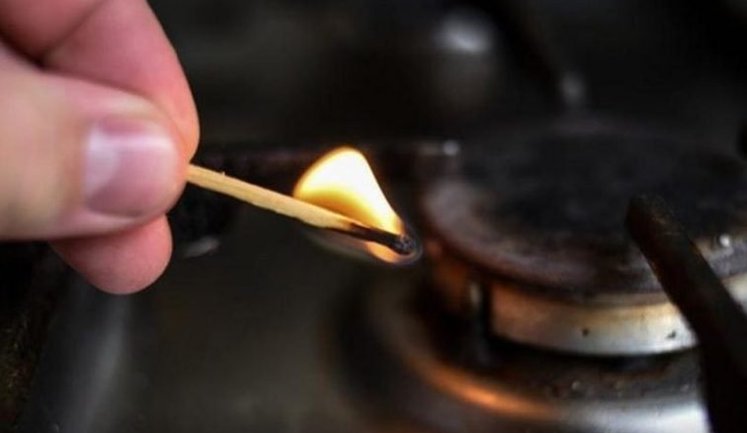
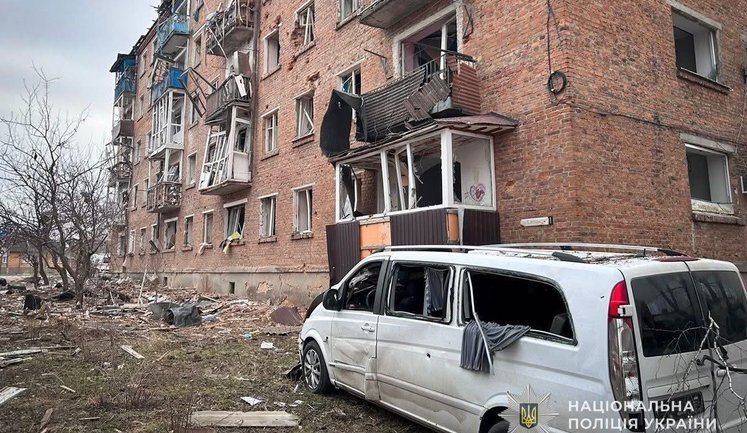
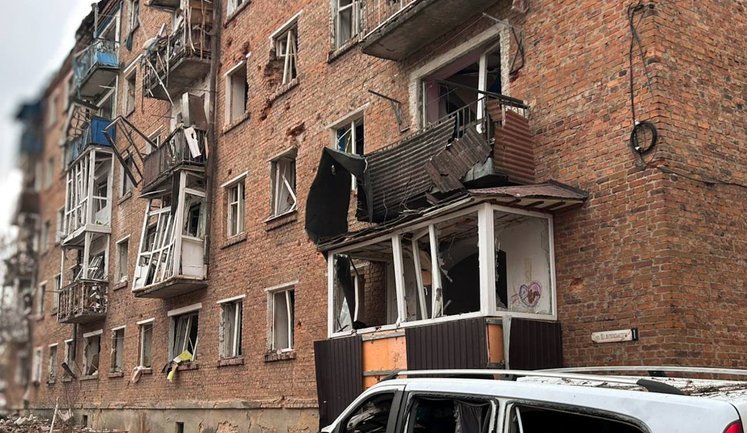
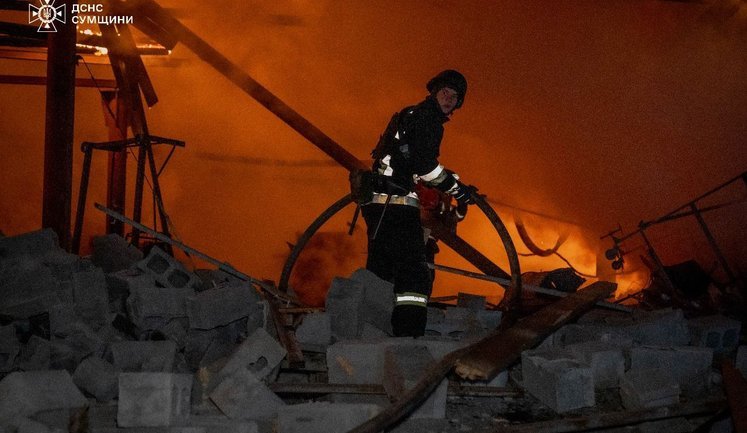
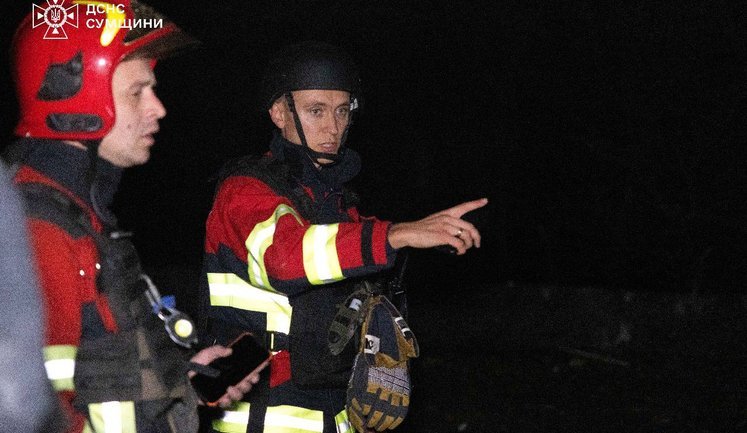
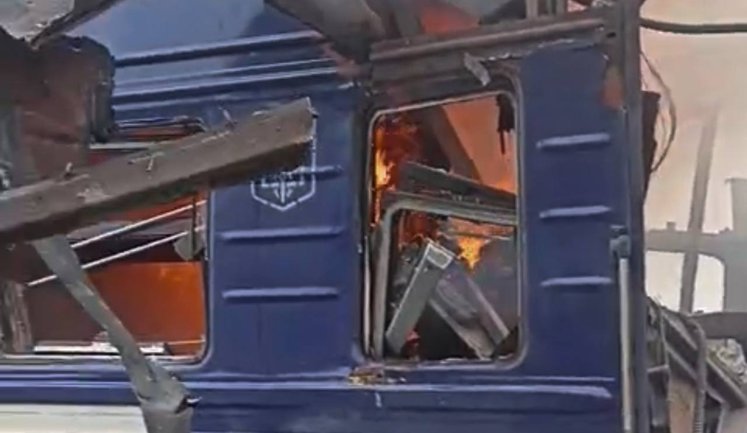
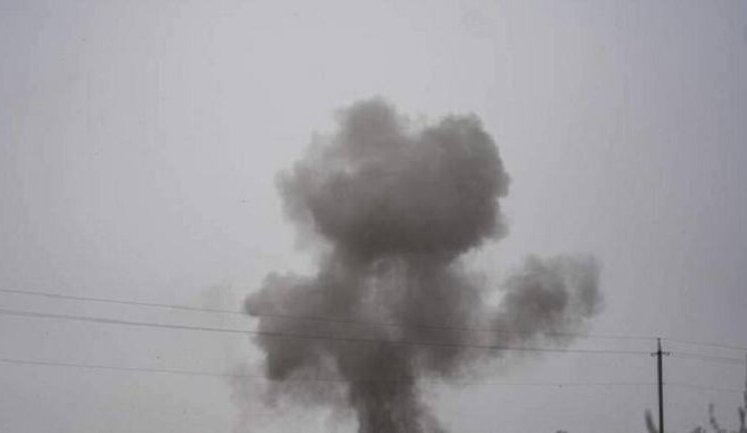
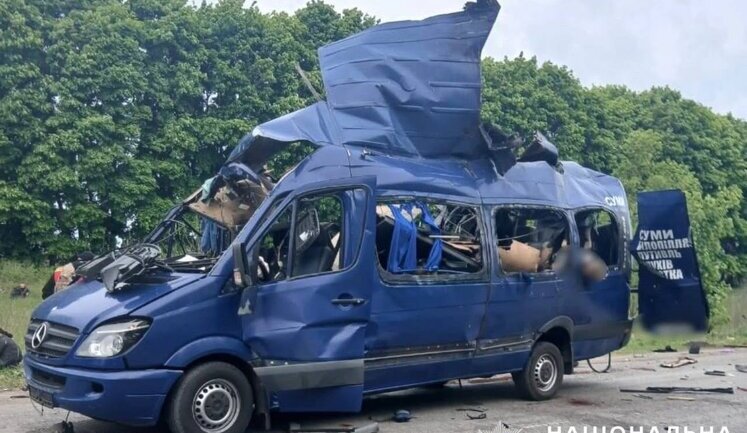
In recent weeks, the Sumy region has suffered from relentless Russian shelling, leading to significant civilian casualties and extensive damage to infrastructure. The attacks have targeted numerous communities across the region, including Shostka and Hlukhiv, with several tragic events occurring in this period. Notably, a strike on the Shostka district left a 6-year-old girl critically injured, who later succumbed to her injuries in the hospital. Additionally, a drone attack in Mykolaivka resulted in the death of a woman driver. Essential infrastructure has been heavily impacted, with gas supplies disrupted in Velyka Pysarivka and critical damage to roads, buildings, and energy facilities. The local authorities continue to document the destruction and aid affected civilians, but the ongoing aggression poses severe challenges to the region's stability and safety.
What has been the impact of Russian shelling on Sumy region's infrastructure?
Russian shelling has severely damaged Sumy's infrastructure, affecting gas supplies, damaging roads and buildings, and disrupting energy facilities. Multiple settlements have reported destruction of homes, schools, and hospitals, impacting daily life and essential services.
How many casualties have been reported in Sumy due to recent shelling?
The recent shelling in Sumy has led to numerous casualties, including the deaths of civilians such as a 6-year-old girl and a woman driver. Many have been injured, and the injuries include both adults and children, placing a huge burden on local medical facilities.
Which areas in the Sumy region have been hardest hit by Russian attacks?
The districts of Shostka, Hlukhiv, and Mykolaivka have been particularly devastated by the ongoing Russian attacks. These areas have experienced strikes on civilian vehicles, homes, and critical infrastructure, resulting in severe casualties and structural damage.
What has been done to assist affected residents in Sumy?
Efforts to assist affected residents include evacuation measures, emergency response teams documenting damage, and the provision of medical care to the injured. Local authorities are working tirelessly to repair infrastructure and restore essential services, despite the continuous threat of further attacks.
How are local authorities in Sumy responding to the crisis?
Local authorities in Sumy are focused on documenting the destruction, providing medical aid, and coordinating evacuations where necessary. They are striving to maintain essential services and bolster the region's defenses against further attacks while supporting the affected populace.
What types of weapons have been used in the attacks on Sumy region?
The attacks on the Sumy region have utilized a range of weaponry, including guided aerial bombs (KABs) and drones. These have targeted civilian areas, causing significant casualties and damage to the infrastructure across various communities in the region.
How frequent have the attacks on Sumy region been reported?
The attacks in the Sumy region have shown no sign of abating, with frequent shelling reported daily, affecting dozens of settlements. These attacks have resulted in multiple casualties, further exacerbating the ongoing humanitarian crisis in the area.
Are there ongoing efforts to collect evidence of the shelling impacts in Sumy?
Yes, authorities are actively documenting the aftermath of the shelling, gathering evidence to assess damage and casualties. This is crucial both for delivering aid to those in need and for potentially holding those responsible accountable under international law.
What challenges do the residents of Sumy face due to the shelling?
Residents of Sumy face numerous challenges, including the imminent threat to their safety, loss of homes and infrastructure, and disruption to daily life. Access to basic services and utilities has been compromised due to damage to gas lines and power facilities.
What is the international response to the ongoing situation in Sumy region?
The international community has expressed concern over the humanitarian crisis in Sumy, with calls for a cessation of hostilities and support for Ukraine's sovereignty. Humanitarian aid and diplomatic efforts are being made to address the escalating conflict and provide relief to affected populations.