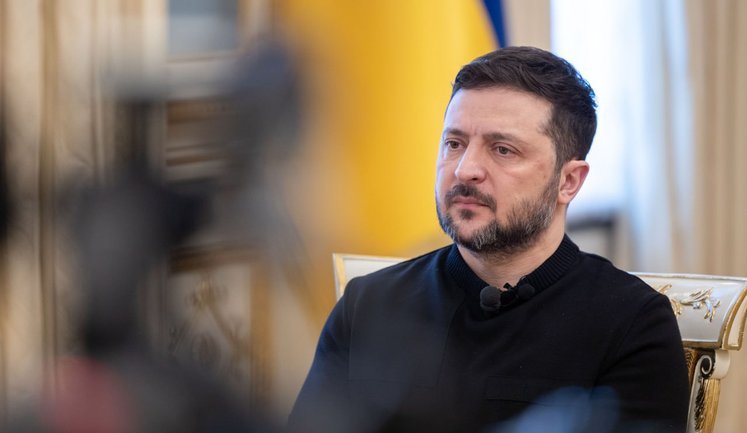
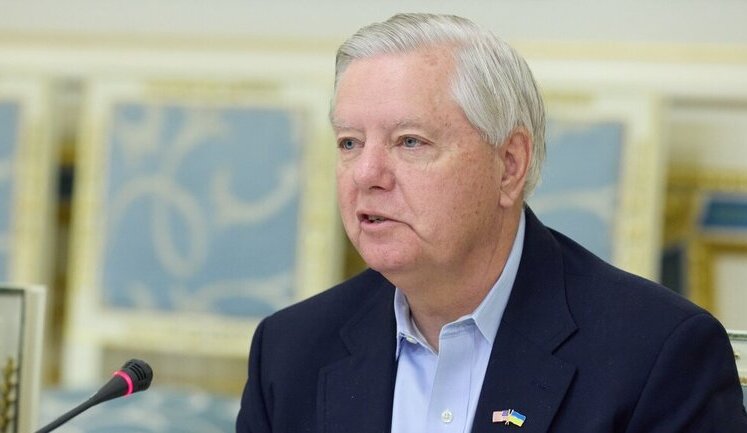
The potential ceasefire negotiations between Ukraine and Russia highlight a pivotal moment in the ongoing conflict. Recent discussions have centered around Russia's tentative agreement to a temporary ceasefire to conduct a referendum on regional statuses. President Zelenskyy criticized Russia's refusal to adopt a Christmas ceasefire, reiterating the need for a permanent resolution. The United States and Ukraine acknowledge that a comprehensive ceasefire can only be achieved with a framework agreement in place. There is also speculation about potential peace initiatives proposed by European countries and the United States. This fragile situation underscores the urgency for a diplomatic solution that includes security guarantees to halt hostilities and provide a path toward lasting peace.
What are the main obstacles to achieving a ceasefire between Ukraine and Russia?
The main obstacles include differing conditions for a ceasefire, territorial disputes, and lack of mutual trust. Russia demands significant concessions, such as recognition of certain territories, while Ukraine seeks security guarantees and a comprehensive peace framework.
How has President Zelenskyy responded to Russia's ceasefire proposals?
President Zelenskyy has largely been critical of Russia's ceasefire proposals, calling them insufficient or insincere. He emphasizes the need for a comprehensive and unconditional ceasefire, which respects Ukraine’s sovereignty and territorial integrity.
What role does the European Union play in the Ukraine-Russia ceasefire talks?
The European Union plays a significant role as a mediator and supporter of Ukraine's efforts towards achieving peace. It is actively involved in developing peace plans and emphasizing the necessity of a ceasefire based on respect for international law and Ukraine's borders.
What are the United States' conditions for supporting a ceasefire in Ukraine?
The United States supports a ceasefire that is immediate, unconditional, and respects Ukraine’s sovereignty. U.S. policymakers believe a sustainable peace agreement requires Russian cooperation and withdrawal from occupied territories, along with robust security guarantees for Ukraine.
How is the international community reacting to the latest ceasefire efforts?
The international community is cautiously optimistic, acknowledging the complexity of the situation. Countries are providing diplomatic support and pressure, with the U.S. and EU considering sanctions on Russia if it fails to engage constructively in peace negotiations.
What are the potential outcomes if a ceasefire is reached between Ukraine and Russia?
If a ceasefire is reached, rapid de-escalation could stabilize the region, improve humanitarian conditions, and facilitate further peace negotiations. Long-term outcomes depend on compliance, mutual recognition of agreements, and international support to maintain stability.