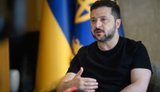
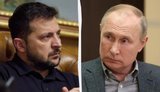
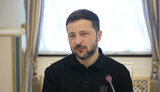
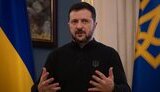
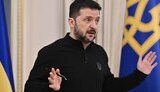
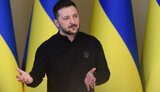
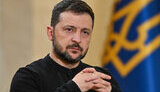
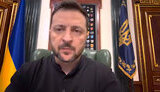
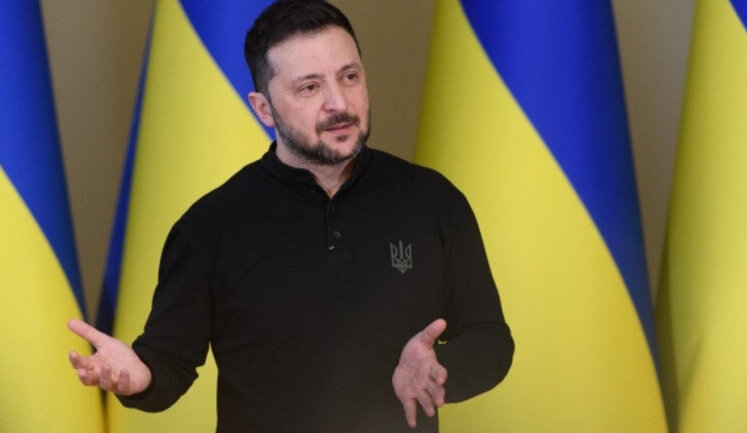
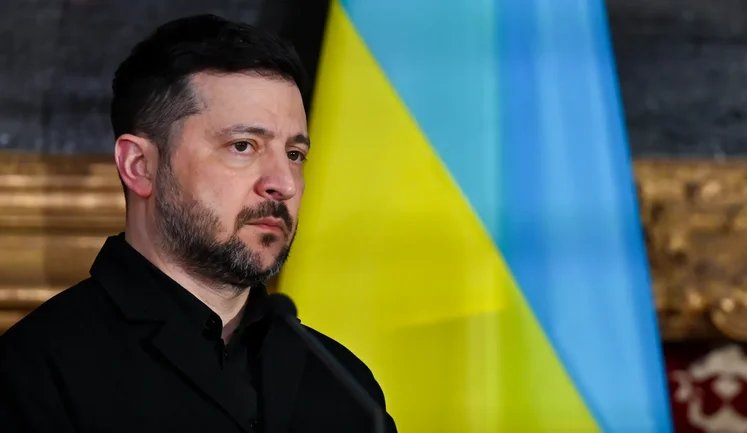
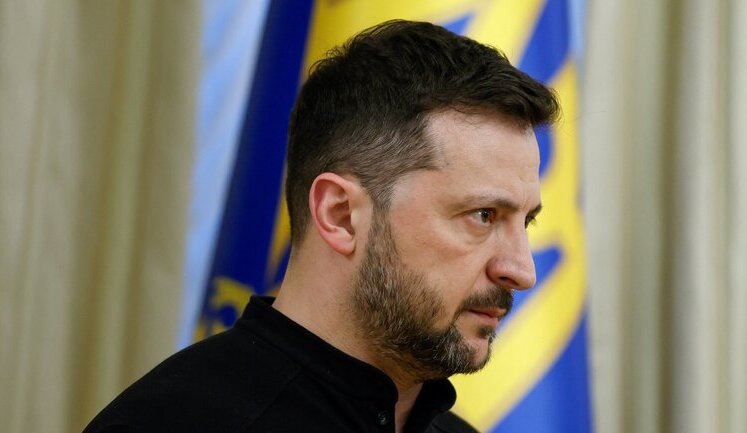
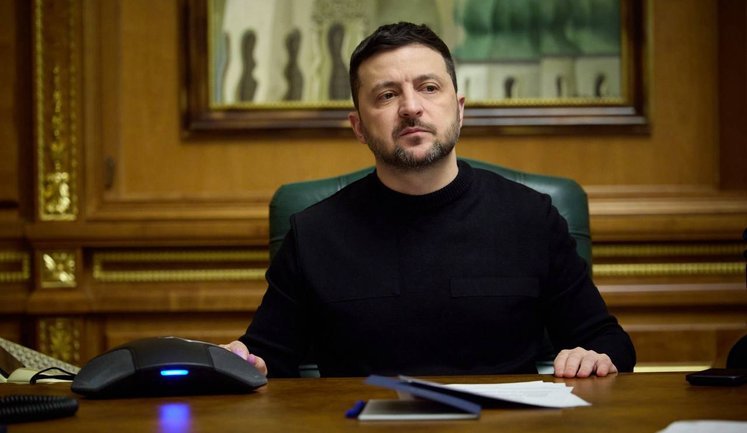
President Volodymyr Zelenskyy continues to push for a ceasefire as a crucial step towards peace in Ukraine. Despite Russia's resistance to a referendum on a peace plan and a ceasefire, Kyiv, along with Washington, has developed a framework plan detailing a 20-point peaceful settlement. Ukraine stands firm on not compromising its territorial integrity for diplomacy, and Zelenskyy calls out Russian disruptions of ceasefire agreements with ongoing strikes. He asserts Ukraine's readiness for unconditional ceasefire, emphasizing negotiations should follow effective cessation of hostilities. Zelenskyy urges international support and pressure on Russia to agree to terms, with backing from China for a temporary ceasefire adding strategic weight to diplomatic efforts.
What are the main points of Zelenskyy's framework plan for peace?
The framework plan developed by Ukraine and Washington consists of 20 points, which include the initiation of a ceasefire in the final stage of the peace process. It's designed to form a comprehensive roadmap for sustainable peace while ensuring Ukraine's territorial integrity is respected.
Why does Zelenskyy believe a ceasefire is vital for peace in Ukraine?
President Zelenskyy considers a ceasefire a fundamental prerequisite for any meaningful peace process. It is seen as a starting point for reducing hostilities and enabling diplomatic negotiations that can lead to a lasting resolution of the conflict with Russia.
How has Russia responded to peace talks and ceasefire proposals?
Russia has consistently rejected proposals that would lead to a ceasefire, often setting additional conditions and disrupting existing agreements with military actions. Their stance has been characterized by public statements that differ from their actual practices, as observed by President Zelenskyy.
What role does international support play in achieving a ceasefire in Ukraine?
International support is crucial in pressuring Russia to agree to a ceasefire. Countries like the United States, China, and European allies play significant roles by backing Ukraine's call for peace and potentially monitoring a ceasefire to ensure compliance, as suggested by President Zelenskyy.
What are Zelenskyy's conditions for negotiations with Russia?
Zelenskyy has emphasized that negotiations with Russia will only be possible once an unconditional and effective ceasefire is in place. He insists on no alterations or surrender of Ukrainian territories as preconditions for talks, maintaining a strong stance on national sovereignty.
How does China's involvement affect the ceasefire discussions?
China's support for a 30-day ceasefire lends significant diplomatic weight to Ukraine's efforts in achieving temporary peace. It represents a critical international endorsement that could influence Russia's position and encourage broader acceptance of the ceasefire as a viable step towards ending the war.
What challenges does Ukraine face in implementing a ceasefire?
Ukraine faces several challenges, including Russia's reluctance to agree to a ceasefire and their history of violating ceasefire agreements. Additionally, Ukraine must ensure international backing and develop effective monitoring mechanisms to ensure adherence to any agreed terms.