Russia’s stance on ending the war in Ukraine remains a point of contention. Foreign Minister Sergey Lavrov ruled out a ceasefire for Ukrainian elections, maintaining a hard-line position against conflict cessation. Moscow's urge for its citizens to prepare for a prolonged war reflects its skepticism towards a near-term peaceful settlement. President Putin’s ambitions, perceived as an attempt to restore USSR-like influence, further diminish hopes for resolution. While Western powers discuss lifting strike limitations for Ukraine, the Kremlin brands such actions as hazardous. Amidst these dynamics, Russia’s conditions for peace include Ukraine's neutrality, recognition of occupied territories, and demilitarization, all of which meet resistance from Kyiv and its allies. The international community watches closely as both propaganda and diplomatic negotiations evolve.
What is Russia's current position on ending the war in Ukraine?
Russia refuses to agree to a ceasefire to permit Ukraine to hold presidential elections. The Foreign Ministry advises its citizens to prepare for a prolonged conflict, seeing no prospects for peaceful settlement soon. Their conditions for peace include Ukraine adopting a neutral status and recognizing occupied territories.
Why does Russia not want to end the war, according to Ukrainian President?
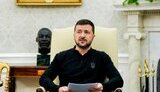
Ukrainian President Zelenskyy believes Russian President Putin aims to restore a USSR-like sphere of influence and has no intention of ending the war. This underscores the Kremlin's strategy of continued assertiveness in the region.
What are Russia's proposed conditions for peace with Ukraine?
Russia demands Ukraine's neutral status, recognition of occupied territories, demilitarization, and denazification as part of its conditions. These terms are perceived as undermining Ukraine's sovereignty, thus facing strong opposition from Ukrainian leadership and their international allies.
How has Russia responded to Western powers lifting restrictions on Ukraine's military actions?
The Kremlin has labeled the decision of Western powers like Germany, France, the UK, and the US to lift restrictions on Ukraine's strike capabilities as dangerous. This move is viewed with suspicion as it potentially escalates the conflict, according to Russian officials.
How are international efforts progressing to achieve peace in Ukraine?
Efforts for peace are ongoing, with US initiatives in diplomacy leading the charge. However, Russia emphasizes that direct talks must be initiated by Kyiv, while Moscow remains non-committal to US peace proposals without prioritizing its own agenda. This stance complicates global diplomatic efforts to resolve the conflict.
What are the implications of Russia's war position for Ukraine's defense strategies?
Russia’s aggressive position prompts Ukraine to continuously reinforce its defense capabilities. The resistance from Moscow against ceasefires and peace talks urges Kyiv to remain vigilant and enhance military readiness to protect its sovereignty and territorial integrity against prolonged aggression.