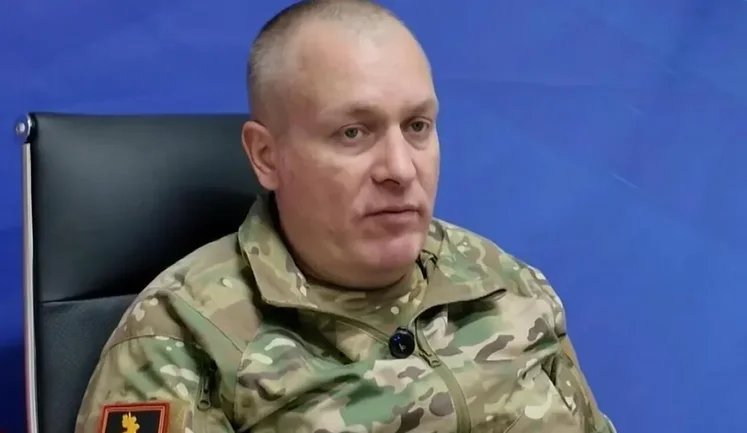
The trend of eliminating Russian occupiers has dominated headlines with significant AFU strikes. Notably, a missile strike in Donetsk in August eliminated at least 20 Russian officers, escalating the military losses Russia has encountered over recent months. September saw record Russian military casualties, with 46,230 soldiers lost, driven by the Ukrainian Unmanned Systems Forces. Since the start of 2026, Russian troop losses have exceeded 300,000, emphasizing the severe impact on Kremlin's manpower, according to Ukrainian General Staff reports. The Ukrainian Armed Forces' strategic operations continue to undermine Russian military strength, highlighted by the elimination of figures like Colonel Isaiev and General Grunis. As the Russian military struggles with manpower challenges, predictions suggest losses could rise by another 300,000 by year-end, marking 2026 as a year of substantial attrition for the Russian occupiers.
What was the impact of the AFU missile strike on Donetsk in August?
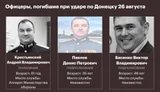
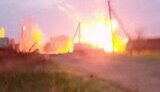
The Ukrainian Armed Forces' missile strike in Donetsk during August eliminated at least 20 Russian officers, including seven colonels. This operation targeted command structures, representing a significant blow to Russian military capabilities in the occupied territories, thereby contributing to the overall strategy of reducing enemy leadership effectiveness on the battlefield.
How have Ukrainian unmanned systems contributed to Russian troop losses?
Ukrainian unmanned systems have played a crucial role in augmenting troop losses for Russian forces. In September 2026 alone, these systems were responsible for neutralizing over 13,000 Russian servicemen, marking a 25.35% increase from August figures. Such operations demonstrate the effectiveness of UAVs in striking precision targets and disrupting enemy operations without traditional manpower deployment.
What are the projected Russian military losses by the end of 2026?
Projections, including assessments from Ukrainian and international defense analysts, indicate that the Russian military could incur an additional 300,000 troop losses by the end of 2026. These losses are attributed to both combat casualties and the compounded effects of strategic operations by the Ukrainian forces. The estimates suggest cumulative Russian losses may approach a million since the outbreak of hostilities.
What was the significance of Colonel Isaiev’s elimination by the Ukrainian forces?
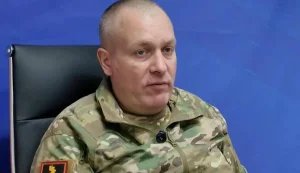
Colonel Oleksandr Isaiev, a significant figure due to his defection to Russia in 2014, led efforts against Ukraine. His elimination by Ukrainian forces diminished a critical command figure within the occupying ranks in the Kherson region. This act underscores Ukraine's focus on removing key military leaders, thereby disrupting enemy strategy and morale.
How does the AFU's resource utilization impact enemy losses compared to costs?
The Ukrainian Armed Forces have achieved a remarkable efficiency ratio concerning resource usage. Reports indicate for every dollar spent by the AFU in military engagements, Russia incurs roughly five dollars in losses. This asymmetry highlights the strategic and tactical acumen in cost-effective operations targeting enemy infrastructure and personnel under the DELTA combat system's oversight.
What risks do Russian recruits face on the front lines due to Ukrainian advancements?
Russian recruits face significant challenges on the front lines largely due to Ukrainian technological advancements, especially in unmanned aerial operations. According to John Ratcliffe, CIA Director, the use of drones equipped with artificial intelligence drastically reduces the survival time of new recruits, evidenced by their average lifespan upon arrival at the front being reduced to mere minutes.
Why is the Russian manpower situation deemed critical by 2026?
As of 2026, Russia's manpower situation is critical, compounded by significant losses without adequate replenishment. Recruitment efforts have struggled to keep pace with the casualties sustained, creating a deficit that hampers the Kremlin’s ability to maintain effective combat operations. The strain on manpower is expected to further intensify as war attrition continues.
What role did unmanned systems play in targeting Russian leadership?
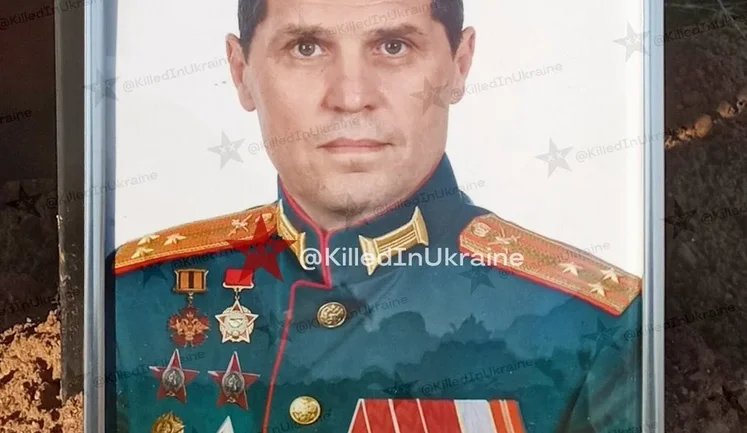
Unmanned systems have been pivotal in targeting Russian leadership, exemplified by the elimination of key military figures such as General Anton Grunis by the Unmanned Systems Forces. These precision strikes play a crucial role in destabilizing Russian command continuity and operational planning, thereby contributing to Ukraine's broader objectives to erode enemy operational capabilities.