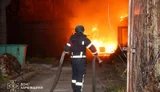
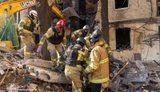
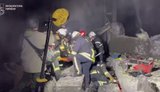
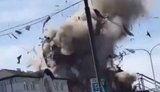
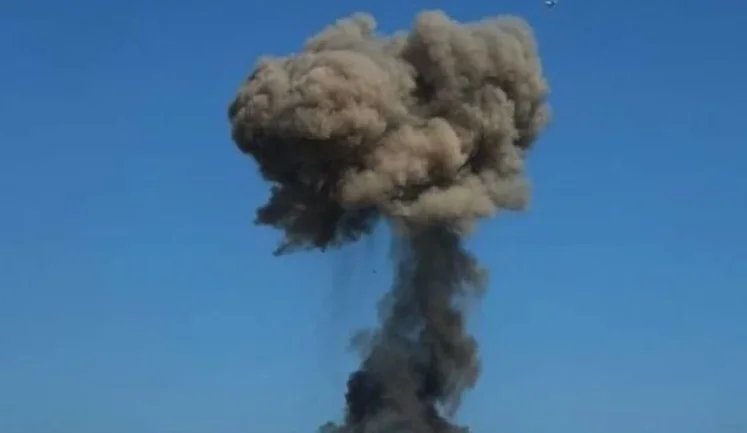
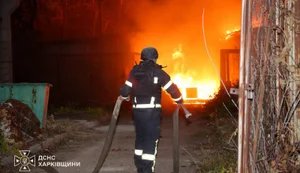
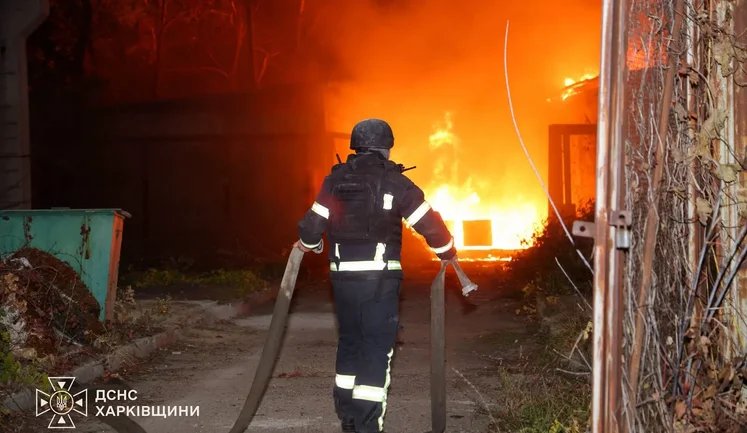
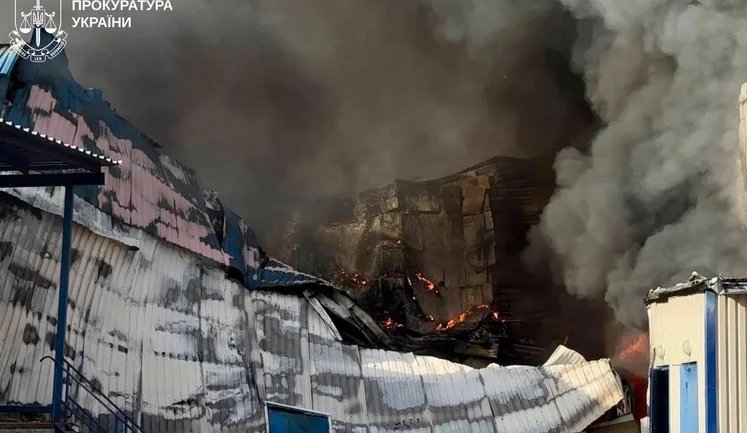
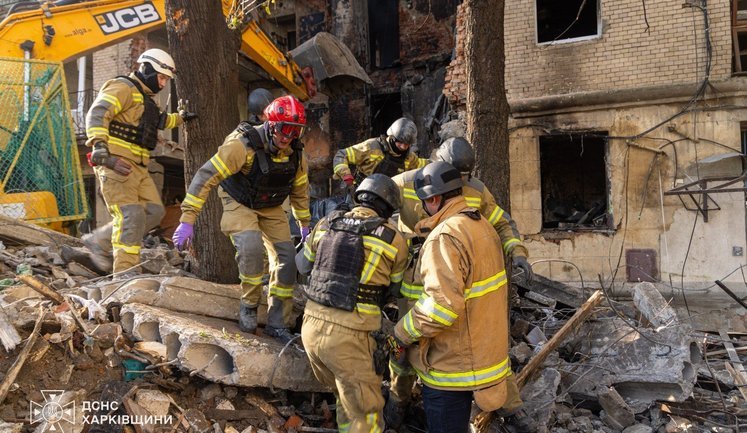
Kharkiv continues to face severe bombardment from Russian forces, with recent missile strikes devastating numerous districts, including Kholodnohirskyi, Slobidskyi, and Kyivskyi. The attacks have resulted in significant casualties and injuries, prompting continuous rescue operations. A notable strike on a four-storey residential building led to multiple casualties, underscoring the relentless nature of the conflict. In addition to human casualties, infrastructure across the city has been severely damaged. The repeated use of missiles, drones, and aerial bombs has inflicted substantial hardship on Kharkiv's residents. As emergency services work tirelessly to clear rubble and find survivors, the city grapples with the ongoing threat, highlighting both the resilience of its inhabitants and the dire need for increased international assistance and intervention.
What are the impacts of recent shelling in Kharkiv?
The recent shelling in Kharkiv has led to numerous casualties, extensive injuries, and massive destruction of buildings and infrastructure. Residential areas and public facilities have been hit, causing significant disruption to daily life and exacerbating the humanitarian crisis in the region.
How are Kharkiv residents responding to the threats?
Residents of Kharkiv are showing remarkable resilience despite the frequent bombardments. Many have been involved in volunteer efforts and emergency assistance, helping to clear debris and support rescue operations. Evacuations and sheltering in place are common practices as the city continues to endure attacks.
What types of weapons are being used in attacks on Kharkiv?
The Russian military has employed a variety of weapons in its attacks on Kharkiv, including guided aerial bombs (KABs), ballistic missiles, and combat drones. These have been used to target both residential and industrial areas, aiming to cause maximum disruption and damage.
Are rescue operations effective in Kharkiv?
Despite facing challenging conditions, rescue operations in Kharkiv have been relatively effective. Emergency crews are working around the clock to clear debris and search for survivors amidst ongoing attacks. The efficiency is hampered by the scale of destruction and the continuous threat of further strikes.
How has international response been to Kharkiv attacks?
International response has primarily involved condemnation of the attacks and calls for an end to hostilities. Humanitarian aid and support in terms of medical and reconstruction assistance have been sought by Ukrainian authorities. However, more decisive international intervention is needed to mitigate the crisis.
What support is available for those affected by the Kharkiv attacks?
Support for those affected by the attacks in Kharkiv includes emergency medical services, temporary housing solutions, and food and supply distribution networks set up by local and international humanitarian organizations. Psychological support is also being offered to help residents cope with trauma.
How often are Kharkiv attacks occurring?
Attacks on Kharkiv have been frequent, as evidenced by multiple incidents occurring over consecutive days in various districts. The frequency of attacks poses significant challenges to the safety of residents and the ability of emergency services to respond effectively and efficiently.
What steps are being taken to protect Kharkiv from Russian attacks?
Measures taken to protect Kharkiv involve ramping up security operations and reinforcing critical infrastructure. Authorities are enhancing air defense mechanisms and coordinating with national defense forces to improve response times and reduce the impact of incoming threats.