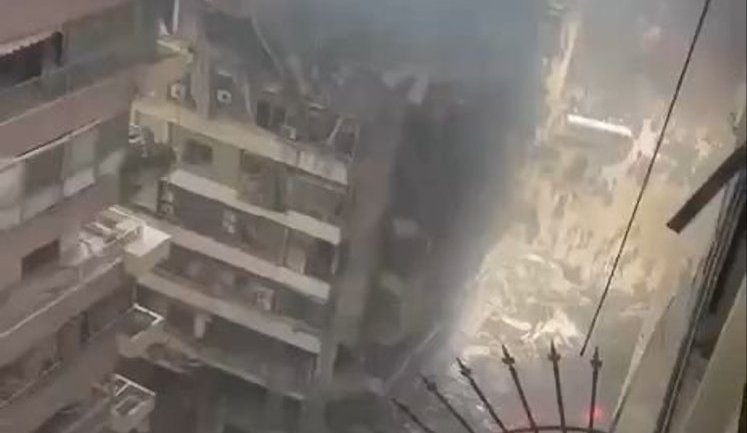
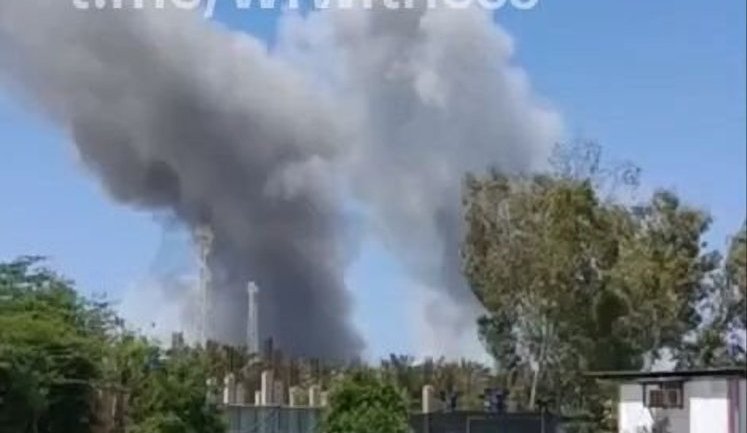
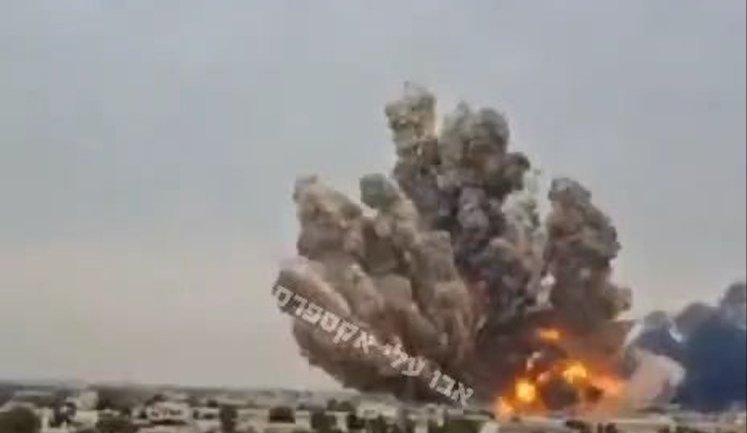
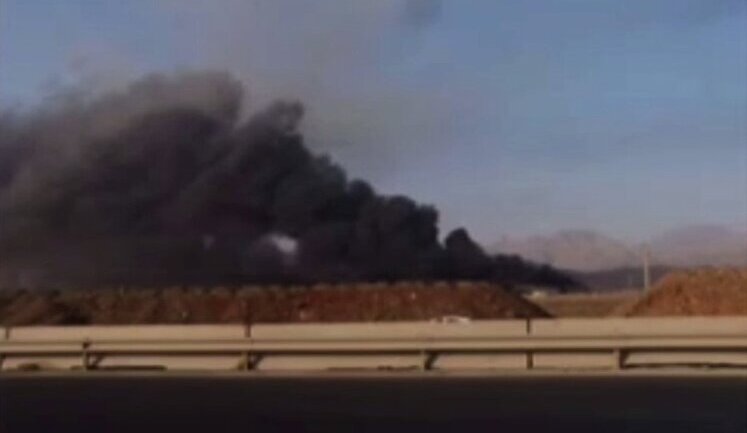
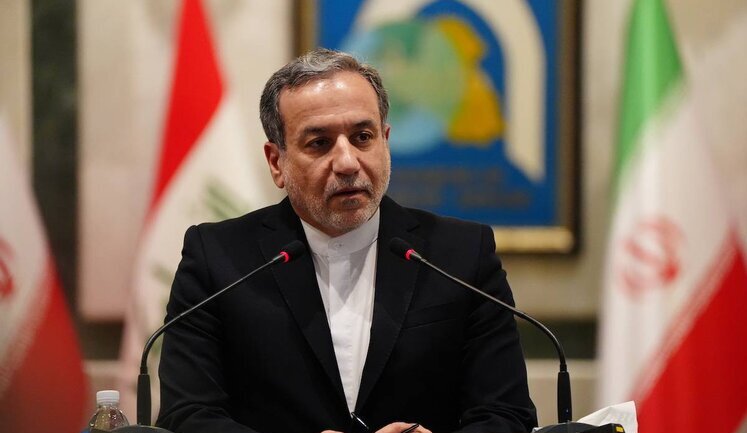
The ongoing conflict in the Middle East has reached a boiling point as Israel conducts strikes on Iran's strategic sites. The aggressive actions have disrupted global oil markets, pushing prices above $100 per barrel. These developments occur amidst international calls for a ceasefire and diplomatic engagements, including Pope Leo XIV's endorsement of the US-Iran truce as a hopeful sign. Meanwhile, the turmoil has profound implications for Europe's security, with leaders like German Chancellor Merz cautioning against potential repercussions akin to Russia's invasion of Ukraine. The situation also draws in NATO allies, as discussions about possible interventions grow. The broader geopolitical landscape remains volatile, with nations grappling with the consequences of Israel's actions, the US's stance, and the uncertain future of Iran's leadership following the recent causality of Ali Larijani.
What are the implications of Israel’s strikes against Iran?
Israel's strikes have heightened regional tensions, impacting global oil markets and causing geopolitical ripples. The situation may lead to increased military involvements and strain on international relations, particularly affecting Europe's security environment and NATO dynamics.
How are global oil markets reacting to the Middle East conflict?
The conflict has caused a significant surge in oil prices, exceeding $100 per barrel. This increase reflects the market's volatility and concerns over stable energy supply, as key infrastructure in the region becomes a target of military actions.
What stance has NATO taken regarding the situation in Iran?
NATO Secretary General Mark Rutte has indicated broad support for actions against Iran's nuclear program while keeping Article 5 on the table. This stance underscores the alliance’s serious approach to potential threats stemming from escalations in the Middle East.
How has the Pope responded to the US-Iran ceasefire announcement?
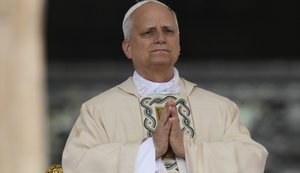
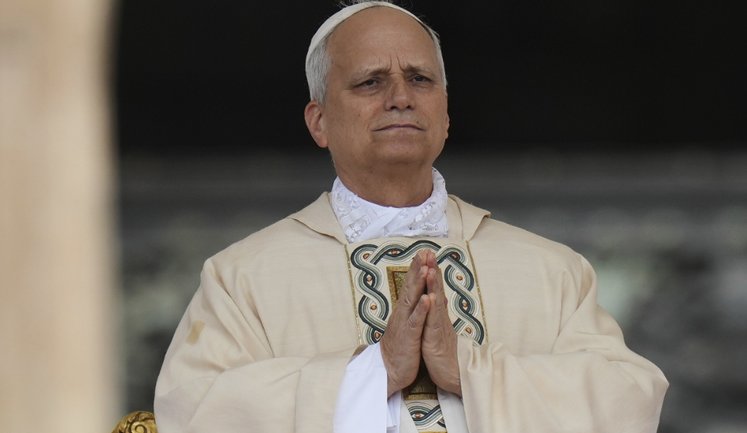
Pope Leo XIV welcomed the ceasefire announcement as a "sign of living hope," urging for peace and dialogue amidst the turmoil. His remarks highlight the broader call for diplomatic solutions in resolving ongoing hostilities in the region.
What is the impact of Israel's military actions on European security?
European leaders express concerns over the conflict's spillover effects, drawing parallels to the disruption seen from Russia's aggression in Ukraine. Heightened tensions risk straining defenses and security policies across the continent, with a possible need for increased military readiness.
What is the international reaction to Iran’s current situation?
The international community shows mixed reactions; while some nations condemn the strikes, others urge for a peaceful resolution. The geopolitical intricacies, involving alliances and historical tensions, contribute to diverse diplomatic postures and regional strategies.
What role does Europe play in the Middle East conflict resolution?
Europe can act as a mediator, pushing for peace talks and de-escalation while managing its own security concerns. European powers also play a crucial part in shaping NATO’s response, balancing between immediate actions and long-term strategic interests.
How is Iran responding to the military strikes from Israel and the US?
Iran remains defiant, with leaders issuing open letters to US citizens and warning of retaliatory actions. The nation faces internal pressure and questions about leadership direction post-Khamenei, coupled with external diplomatic challenges amidst ongoing hostilities.