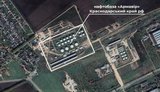
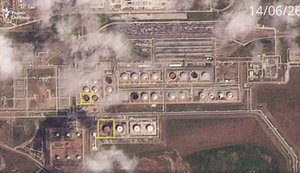
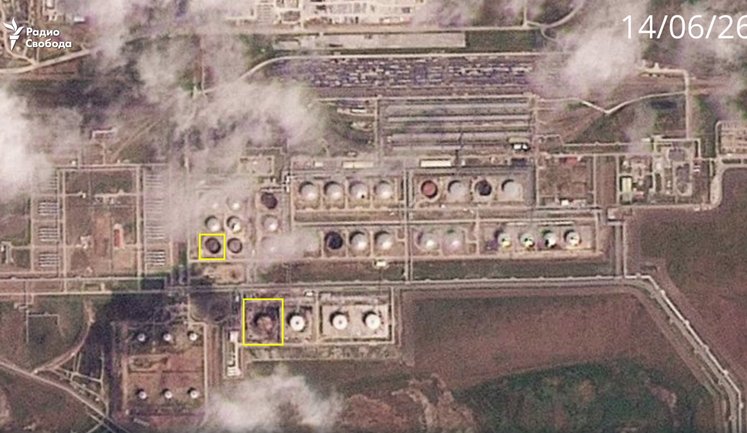
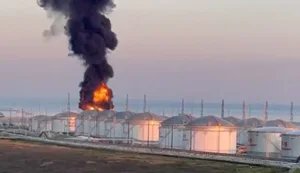
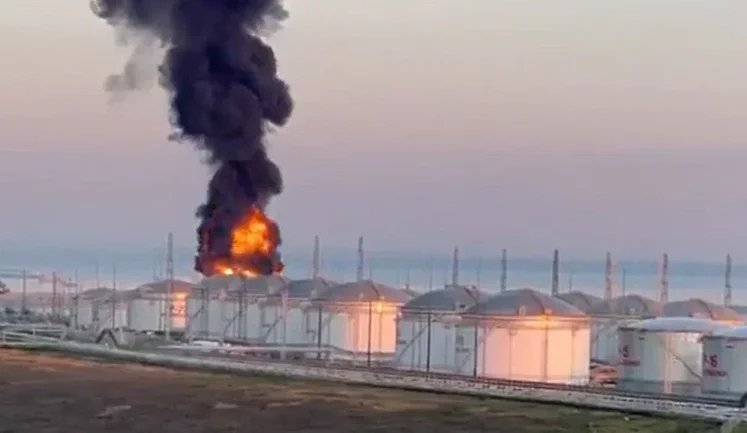
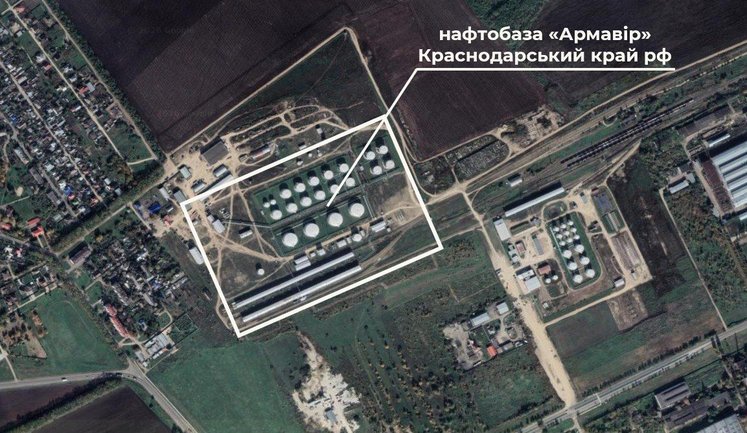
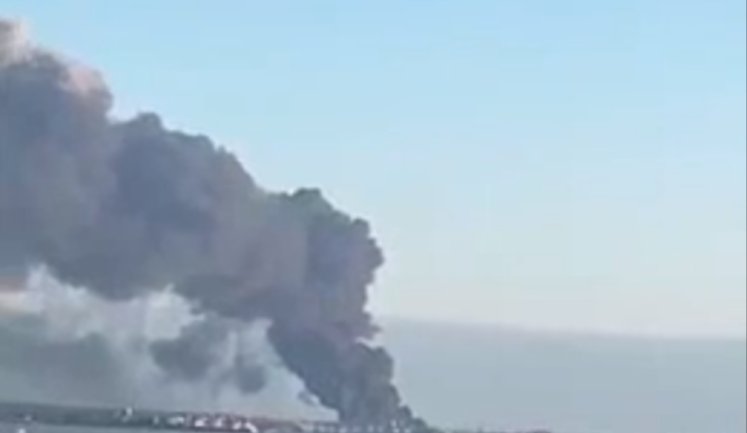
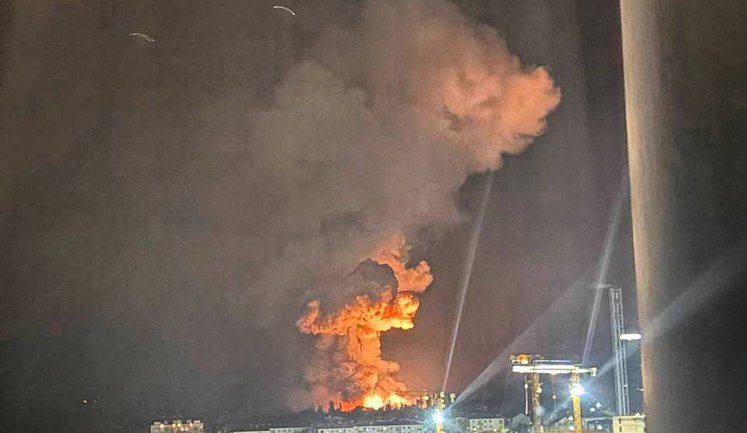
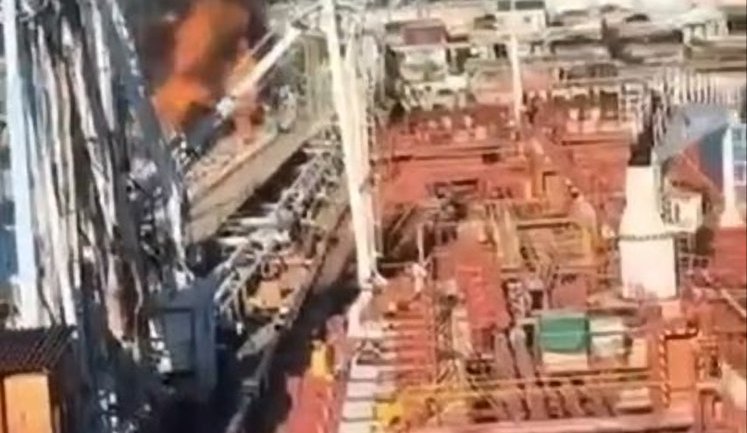
Recent drone attacks on Russia's oil ports have intensified geopolitical tensions. Notable incidents include explosions near Krasnodar Krai and damaged facilities in Leningrad Oblast. Ukrainian President Volodymyr Zelenskyy confirmed that allies have requested Ukraine to avoid targeting Russian oil infrastructure due to its impact on global oil markets. Despite repeated calls to halt such strikes, Ukraine appears determined, citing broader strategic goals. The situation has led to suspension of operations at key ports, exacerbating the global energy crisis. These developments raise critical questions about international responses and future escalation in the region.
What recent attacks targeted Russia's oil ports?
Recent drone strikes have targeted several Russian oil ports, including those in Krasnodar Krai and Leningrad Oblast. These strikes have caused significant damage to facilities and have halted operations at critical locations, highlighting ongoing military tensions and raising concerns about energy security.
How has Ukraine responded to ally requests regarding these strikes?
Ukraine has acknowledged that allies have asked them to refrain from attacking Russian oil infrastructure due to potential impacts on the global oil market. However, Ukraine continues to conduct operations, suggesting a strategic choice to apply pressure on Russia amid ongoing conflicts, despite these requests.
What impact have these attacks had on global oil prices?
The strikes on Russia's oil ports have contributed to instability in the global oil market, leading to increased prices. This volatility is exacerbated by the potential for further disruptions in oil supply, which is a significant concern for energy-dependent economies worldwide.
Why are Ukraine's partners concerned about strikes on Russian energy facilities?
Ukraine's international partners fear that strikes on Russian energy facilities could worsen the global energy crisis by disrupting oil supply chains and further driving up prices. This could have widespread economic consequences, affecting various sectors and global stability overall.
What are the strategic goals behind Ukraine's strikes on Russian oil ports?
Ukraine's strikes on Russian oil ports aim to exert pressure on Russia by targeting key logistical and economic assets. These actions are part of a broader strategy to weaken Russian infrastructure, applying indirect pressure on its economy and military capabilities amid ongoing conflicts.
How have these operations affected Russian domestic energy supply?
The drone strikes on Russian oil ports have reportedly caused significant disruptions to domestic energy supply, resulting in fuel shortages and increased rallies around self-sufficiency initiatives. The broader impact on civilian industries and daily life continues to be monitored closely.
What potential future developments could result from these escalating tensions?
Escalating actions against Russian oil infrastructure could lead to increased military engagements, economic sanctions, and geopolitical realignments. The international community watches closely for diplomatic interventions or escalation in military responses, which could redefine regional dynamics.