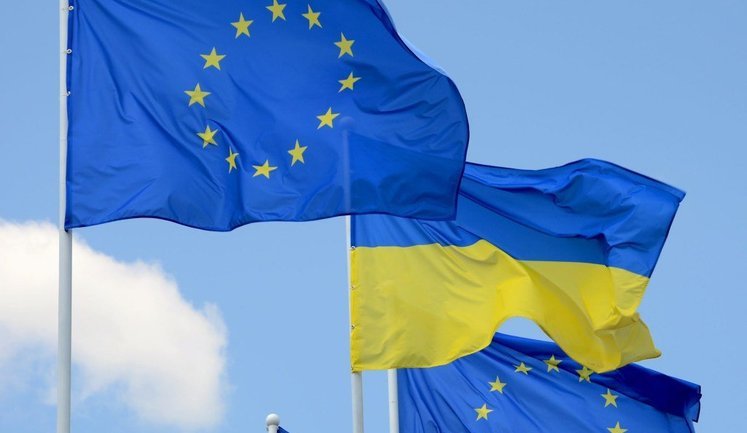
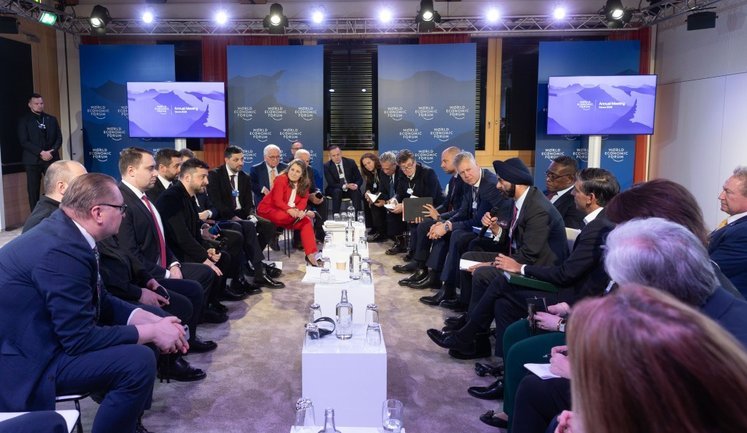
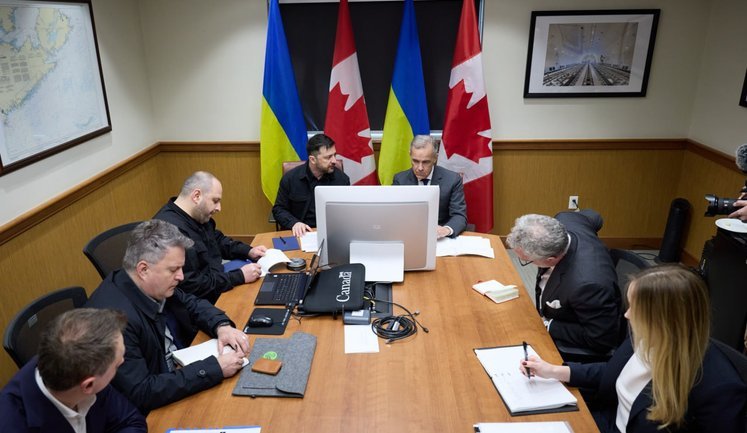
Support for Ukraine has garnered global attention, with Euro leaders and NATO allies collaborating to formulate a clear victory strategy and establish fair peace initiatives. The EU, NATO, and the US have emphasized their commitment through sanctions, direct partnerships, and military aid, addressing Ukraine's economic and security needs. President Zelenskyy's meetings with international business, financial institutions, and energy companies underscore Ukraine's strategic advances. Additionally, the European Commission and NATO have pledged technological and military support, ensuring Ukraine maintains an advantageous position. Meanwhile, constant diplomatic efforts are being made to consolidate this global support.
How is the global community supporting Ukraine amid ongoing challenges?
The global community's support for Ukraine includes military aid, economic sanctions against Russia, and technological advancement programs. The EU and NATO have been major backers, with initiatives to strengthen Ukraine's defense capabilities and maintain pressure on Russia through coordinated sanctions and diplomatic channels. This multifaceted approach aims to ensure Ukraine's sovereignty and peace.
What role does NATO play in supporting Ukraine's defense strategy?
NATO plays a significant role in supporting Ukraine through military aid, strategic partnerships, and continuous dialogue with Ukrainian leaders. NATO's commitment involves ensuring Ukraine's defense needs are met, enhancing military capabilities, and providing platforms for negotiation and peace planning. This support is vital in maintaining regional stability and deterring Russian aggression.
What economic measures are being taken to support Ukraine?
Economic measures to support Ukraine include substantial financial aid from the EU and international financial institutions, aimed at rehabilitation and infrastructure rebuilding. Specific allocations have been directed at supporting displaced populations and enhancing Ukraine's technological capabilities on the battlefield. These efforts are complemented by discussions on using frozen Russian assets for Ukrainian recovery.
How are international meetings influencing Ukraine's support dynamics?
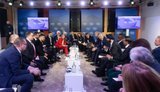
International meetings, like those in Davos and under the Ramstein format, play a crucial role in influencing Ukraine's support dynamics by facilitating direct conversations between Ukrainian leaders and global powerhouses. These meetings allow strategic alliances to form, ensuring consistent military, financial, and diplomatic support, thus reinforcing Ukraine's position internationally.
What technological advantages is Ukraine receiving from EU support?
The EU is actively working on programs to deliver technological advantages to Ukraine, focusing on defense tech and air defense improvements. These technological advancements are part of a broader EU strategy to ensure Ukraine can maintain peace and security on its own terms, further balancing power dynamics in the region against potential threats.
How are partnerships with international businesses benefitting Ukraine?
Partnerships with international businesses are providing Ukraine with essential economic support, investment opportunities, and technological innovations crucial for its recovery and advancement. These partnerships span across various sectors, offering diversified support that strengthens Ukraine's global economic position and facilitates its reconstruction efforts.
What is the significance of European leaders' visits to Ukraine?
European leaders' visits to Ukraine signify strong political support and commitment to Ukraine's sovereignty and recovery efforts. These visits reinforce diplomatic relations, encourage direct investment, and symbolize the international community's united front against aggression, showcasing a proactive approach to conflict resolution and peacekeeping.
How are European nations addressing humanitarian needs in Ukraine?
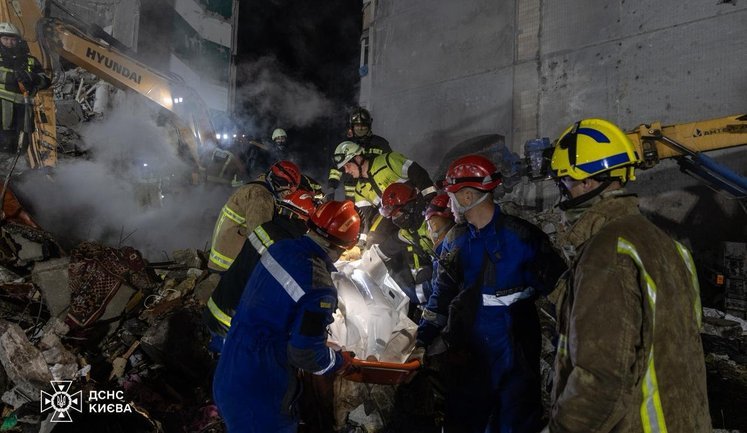
European nations are addressing humanitarian needs in Ukraine by providing essential aid, including medical supplies and support for displaced people. The EU has committed significant funds to aid in rehabilitation, with specific programs tailored to address immediate needs and long-term recovery, underscoring a comprehensive humanitarian strategy.