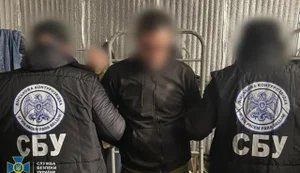
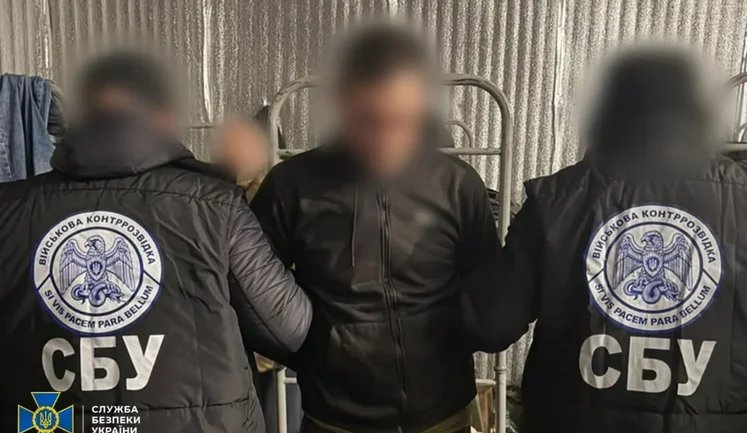
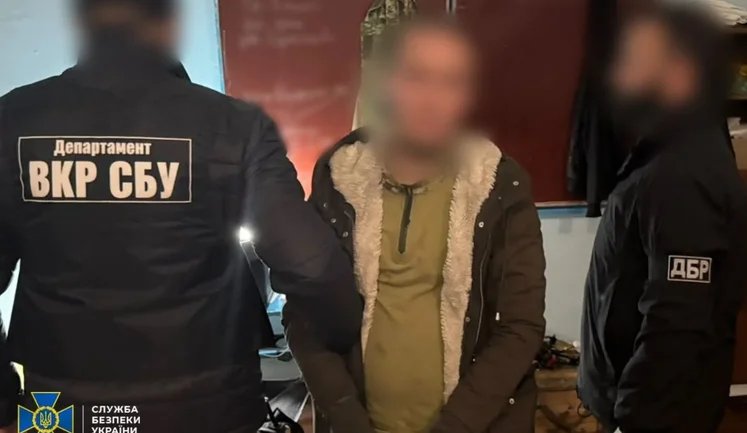
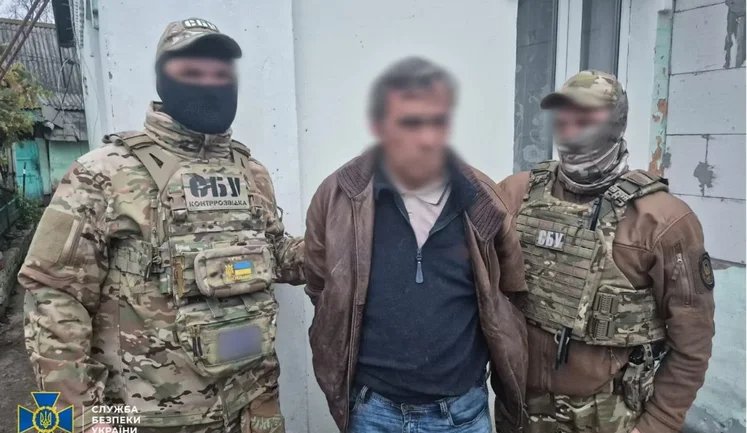
The Security Service of Ukraine (SSU) has been actively countering espionage and high treason threats emanating from Russian intelligence services. Recent operations have exposed a series of FSB moles and spies embedded within Ukrainian military and civic structures. These cases underline the pervasive threat posed by Russian agents engaging in activities such as assassinations, espionage, and sabotage, targeting not only military commanders and infrastructure but also broader societal elements. In efforts to safeguard its sovereignty, the SSU has coordinated with the Defence Intelligence of Ukraine and law enforcement to thwart plots, prosecute those guilty of high treason, and maintain integrity within military ranks. This series of arrests and trials highlights SSU's relentless dedication to protecting Ukraine from internal threats orchestrated by foreign actors intent on destabilizing the region.
What measures is the SSU taking to combat high treason in Ukraine?
The SSU employs a combination of counterintelligence operations, strategic collaborations with the Defence Intelligence of Ukraine, and judicial actions to combat high treason. They focus on infiltrating spy networks, detaining suspected agents, and leveraging legal frameworks to bring charges against those involved in espionage and sabotage. Their efforts are crucial for maintaining national security, preventing assassination attempts, and ensuring the integrity of military operations.
How do Russian agents infiltrate Ukrainian military and civic sectors?
Russian agents infiltrate Ukrainian sectors through various clandestine methods, including recruitment via dating sites, exploitation of personal connections within military ranks, and by embedding within civilian infrastructure. They often leverage coerced or ideologically aligned individuals to access sensitive information, disrupt operations, and coordinate strategic strikes against Ukraine's defense and civic establishments.
What legal outcomes have been seen for those charged with high treason in Ukraine?
Legal outcomes for individuals charged with high treason in Ukraine include severe prison sentences, often extending to 15 years or life imprisonment, depending on the severity of the crime. These verdicts may also involve confiscation of property. Such sentences are reflective of the state’s stringent stance towards national security violations and serve as a warning to deter future acts of treason.
What was the role of dating sites in recruiting agents by Russian intelligence?
According to SSU investigations, dating sites have been occasionally used by Russian intelligence as a platform to recruit Ukrainian military personnel. These platforms serve as a tool for making initial contact, assessing vulnerabilities, and gradually introducing target individuals to espionage activities. This approach can subtly entangle individuals in intelligence operations under the guise of a personal relationship or mutual interest.
How does the exposure of high treason impact Ukraine’s national security?
The exposure of high treason significantly bolsters Ukraine’s national security by neutralizing internal threats and weakening the capabilities of hostile entities to conduct espionage and sabotage. It deters external intelligence services by demonstrating a competent counterintelligence capability and reassures the public and military personnel of the state’s commitment to safeguarding sovereignty and security. The proactive management of these threats helps prevent potential breaches and attacks on critical infrastructure and personnel.