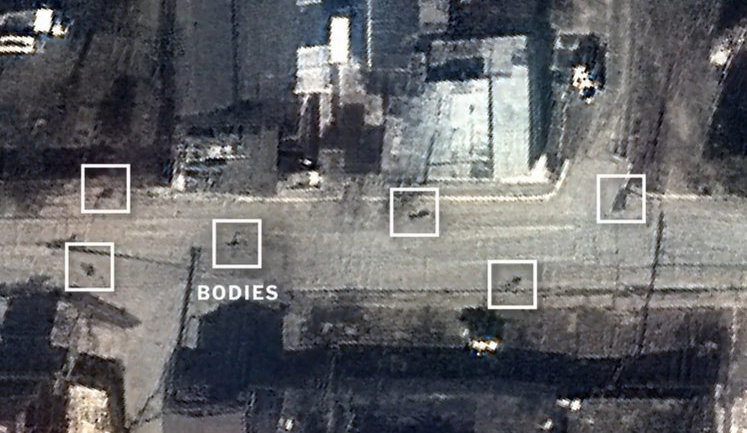
The New York Times has recently come under scrutiny for its coverage of significant international events. With headlines focusing on the war in Ukraine, the NYT has faced criticism from historians and journalists alike, such as American historian O'Brien’s analysis of the report from the Kursk region and the controversial accompaniment of journalists by Akhmat fighters known for war crimes. Furthermore, Ukrainian Commander Oleksandr Syrskyi has publicly disputed NYT claims regarding changes in the 2023 counteroffensive plan, adding to the ongoing criticism. Throughout these stories, the NYT is accused of echoing narratives that may not fully represent the complexities of the situations on the ground, leading to a contentious debate over journalistic standards in covering conflicts and crises.
Why is the New York Times accused of spreading narratives?
The New York Times is accused of spreading narratives due to its reports from the Kursk region, which some claim are aligned with unfiltered Russian perspectives. Critics argue that the presence of Akhmat fighters during the report and the choice of narrative may not provide a balanced view, thereby propagating misleading or one-sided information.
What role did Akhmat fighters play in the New York Times report?
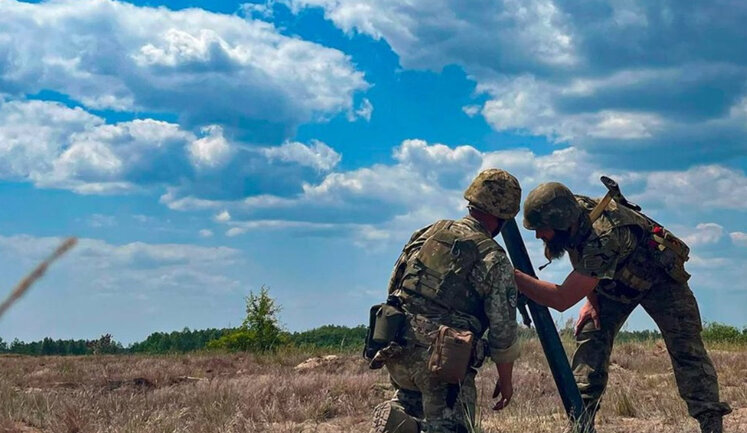
In a controversial move, NYT journalists accompanied Akhmat fighters while reporting from the Kursk region. Akhmat fighters are known for war crimes, raising concerns about ethical journalistic practices and the potential bias of the gathered intelligence, leading to criticism from other journalists and historians.
How did Oleksandr Syrskyi respond to New York Times claims?
Commander-in-Chief Oleksandr Syrskyi contested the NYT's account of the 2023 counteroffensive plan changes. Communicating his viewpoint, Syrskyi asserted the claims made by the American publication were not rooted in truth and served as an inaccurate portrayal of military strategies and decision-making processes.
What are the implications of Ukraine's tactical withdrawals?
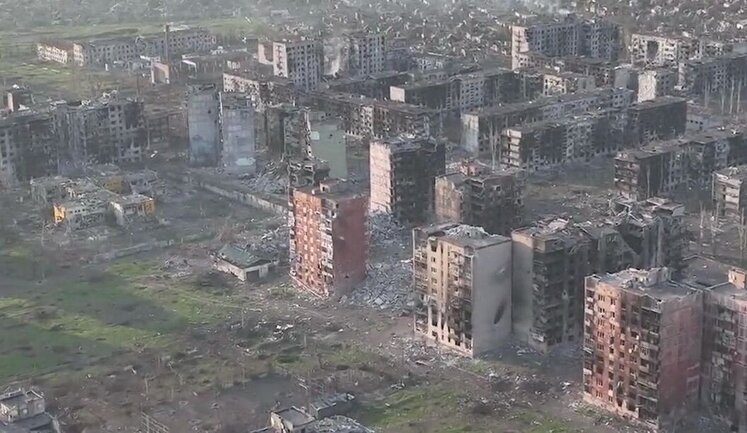
The New York Times reporting highlights Ukraine's tactical withdrawals in Donbas, which aims to exhaust Russian forces. These withdrawals, while signifying loss of territory, reflect a strategic depth in Ukrainian defense efforts as they attempt to create a situation on the ground that benefits future military actions and wears down adversaries over time.
What does the rising ethnic hatred in Russia suggest about internal tensions?
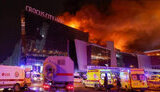
The New York Times reports an increase in ethnic hatred in Russia following a terrorist attack, reflecting rising internal tensions and societal fractures. This suggests a possible exacerbation of ethnic divides and highlights the complex social dynamics within Russia, which could impact both domestic policies and international relations.
What does the NYT report about Russia's missile production capabilities?
According to the New York Times, despite initial assumptions from Western sanctions, Russia's missile production has not only returned to pre-war levels but has seen an increase. This revelation challenges the effectiveness of the sanctions and raises questions about Russia's resourcefulness in sustaining its military-industrial complex amid global pressures.
What are the potential outcomes of Russia's new tactics in the South?
The New York Times discusses Russia's latest tactic of setting minefields on fire in the South. This approach may serve to intimidate opponents and complicate military strategies. However, this tactic also risks further escalating the conflict, leading to increased regional instability and potential humanitarian implications as the impact of these strategies unfolds.