The recent surge in international interceptions underscores growing tensions and advancements in defense strategies. Notably, Japan's Air Force recently scrambled jets to intercept Russian Tu-95 bombers near its borders, emphasizing the strategic importance of airspace security. Concurrently, Colombia's alleged mercenary involvement in Ukraine highlights the expansive global impact of aerial defense. Meanwhile, the defense tech sphere is innovating rapidly, with Ukraine at the forefront as a testing ground for anti-drone systems. Companies like General Chereshnia and Wild Hornets are spearheading efforts by producing high-speed drone interceptors, catering to the needs of modern warfare. These events reflect a dynamic interplay of military and technological advancements, reshaping global defense mechanisms.
What provoked Japan's interception of Russian bombers?
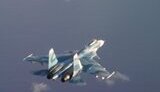
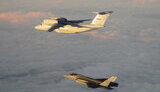
The interception by the Japanese Air Force was a response to Russia's Tu-95 bombers flying near Japan's borders. These bombers, capable of carrying nuclear weapons, were escorted by Su-35 fighters. Such actions prompted Japan to scramble its fighters to safeguard its western coast, showcasing the heightened vigilance necessary for national defense in such sensitive geopolitical climates.
How are drone technologies advancing in Ukraine?
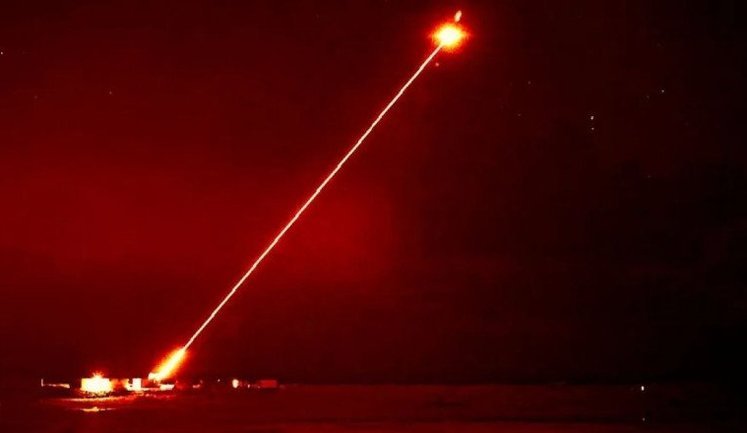
Ukraine serves as a pioneering ground for anti-drone technologies. With the escalating threat of hostile drones, innovation is buzzing among start-ups worldwide, from Silicon Valley to Europe. Companies like General Chereshnia and Wild Hornets are forefront runners by introducing drones like the 'General Chereshnia Bullet' and an interceptor capable of exceeding speeds of 300 km/h. These technologies are game-changers in protecting critical areas from aerial threats.
What are the implications of Western advancements in anti-drone technology?
With anti-drone technology, Western developments target the challenges posed by unmanned aerial vehicles in sensitive zones, such as airports and shipping lanes. This has made Ukraine a crucial area for innovations, serving as a battlefield to test the resilience and effectiveness of such technologies. The push to create cost-effective counter-drone systems signifies an evolution in both defense strategies and industrial growth sectors, influencing global military tactics.
Why are Colombian mercenaries mentioned in Ukraine's conflict?
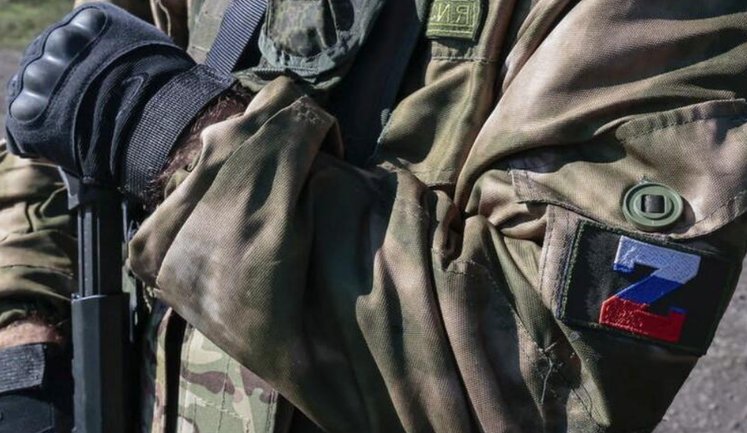
Reports have suggested the involvement of Colombian mercenaries fighting on behalf of Russian interests, engaging in operations against Ukrainian civilians. These actions underscore the broad scope of international military participation and the complex dynamics at play within the ongoing conflict in Ukraine. The implications of such mercenary activities illustrate the multifaceted elements of modern warfare, incorporating non-state actors and international personnel.
How has the Ukraine conflict influenced global military strategies?
The Ukraine conflict has significantly shaped global military strategies by catalyzing advancements in air defense and interception technologies. The frequent incidents of fighter jets scrambling to intercept potential threats reflect heightened readiness and strategic adjustments by military forces worldwide. Moreover, the necessity to devise effective countermeasures against drone and aerial threats has spurred technological innovation and strategic collaborations internationally, redefining traditional defense mechanisms.
What is the significance of Russian aircraft incursions in European airspace?
Russian aircraft incursions into European airspace have raised security tensions, warranting prompt responses from NATO and affected countries like the UK, Norway, and Hungary. These incidents necessitate rapid military mobilization to safeguard air sovereignty, underscoring the strategic vigilance mandatory in military operations within NATO jurisdictions. These actions illustrate the geopolitical sensitivity surrounding airspace boundaries and the readiness effectively balanced to deter potential threats.
How do intercepted communications influence public perception of military conflicts?
Intercepted communications bring transparency to military conflicts, unveiling raw insights into the reality of engagements within conflict zones. These interceptions reveal the actions and directives that may otherwise remain obscured, influencing public perception and international narratives. By exposing orders and intentions, such intelligence can lead to public discourse, policy adjustments, and accountability measures, highlighting the complex ethical considerations in modern military engagements.
Why do countries prioritize fighter jet interceptions?
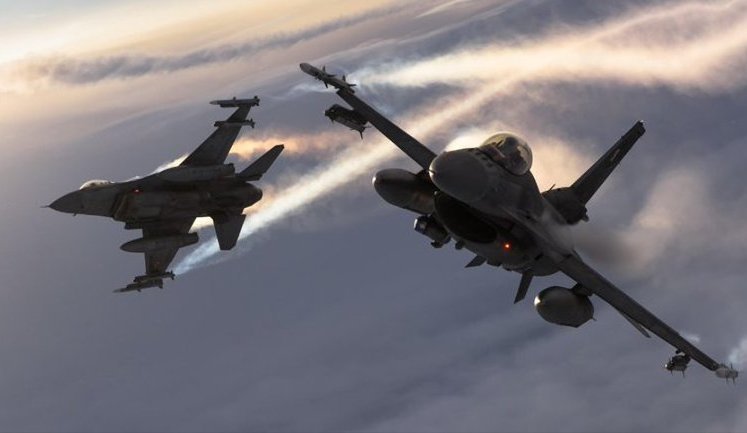
Fighter jet interceptions are critical for national security, allowing countries to protect their airspace from unauthorized or potentially hostile intrusions. Such actions serve as deterrents and ensure compliance with international aviation norms. By maintaining the capability to intercept and escort unidentified aircraft, countries reaffirm their commitment to upholding sovereignty while preventing escalations that could arise from uncontrolled airspace violations.