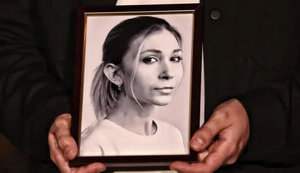
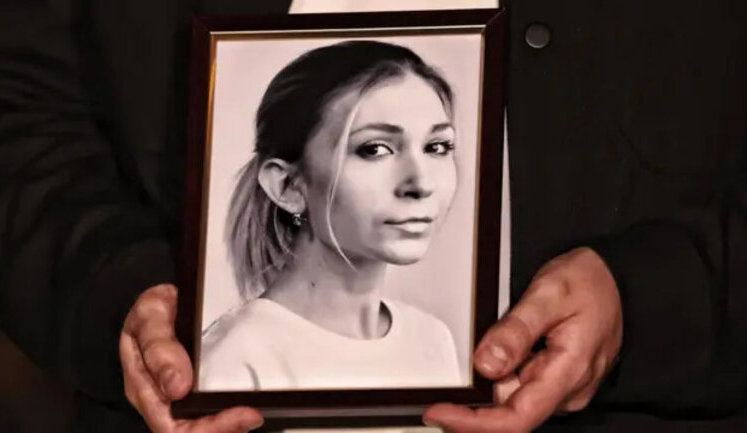
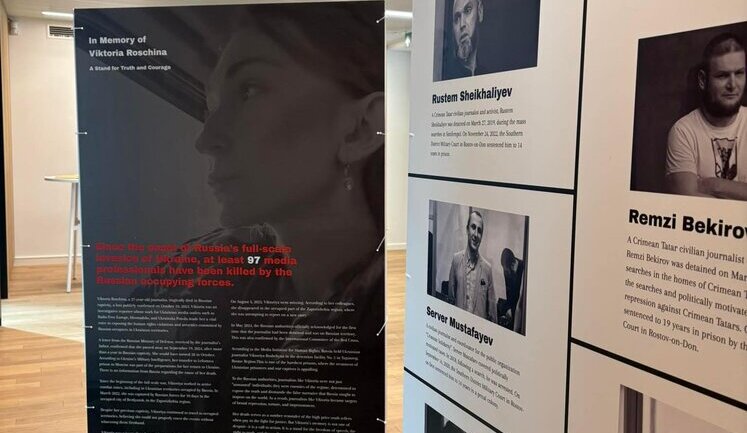
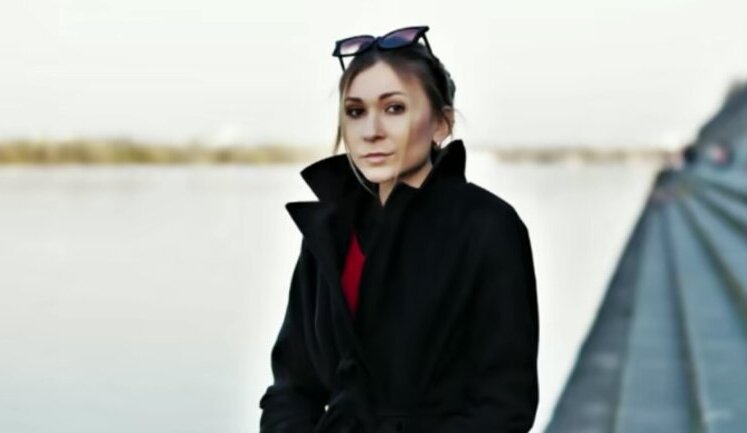
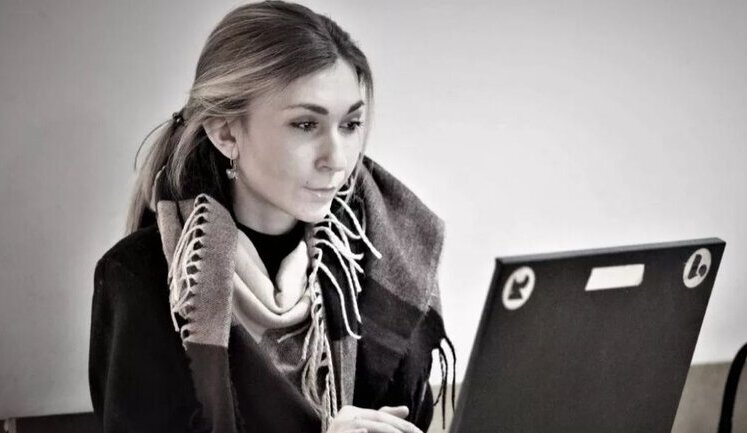
Ukrainian journalist Viktoriia Roshchyna's tragic death in Russian captivity has drawn widespread condemnation. Reports reveal that she endured severe torture before her passing. Her body, returned to Ukraine, showed signs of severe abuse, including abrasions, hemorrhages, and broken ribs. Ukrainian authorities, along with international partners, are pushing for accountability, highlighting her treatment as a war crime. The EU Ambassador to Ukraine, Katarina Mathernova, labeled this incident as one of the worst war crimes committed by the Russian Federation. President Volodymyr Zelenskyy posthumously awarded her the Order of Freedom, recognizing her courage and sacrifice. This case has intensified the scrutiny on the treatment of prisoners held by Russian forces.
What happened to journalist Viktoriia Roshchyna in Russian captivity?
Viktoriia Roshchyna was held in Russian captivity where she was subjected to severe torture, ultimately leading to her death. Reports indicate signs of physical abuse, including abrasions and possible electric shock. Her tragic death has been classified by international observers as a war crime, prompting widespread outrage and calls for justice.
Why is the death of Viktoriia Roshchyna considered a war crime?
The death of Viktoriia Roshchyna is considered a war crime due to the severe torture she endured while in Russian captivity. International bodies and the Ukrainian President have recognized this act as one of the most heinous violations of human rights and wartime conduct by the Russian Federation, sparking calls for accountability.
What recognition did Viktoriia Roshchyna receive posthumously?
Viktoriia Roshchyna was posthumously awarded the Order of Freedom by Ukrainian President Volodymyr Zelenskyy. This honor recognizes her bravery and dedication as a journalist, highlighting her sacrifice and the significant impact her story has had in drawing attention to the plight of Ukrainian prisoners in Russian captivity.
How has the international community responded to Roshchyna's death?
The international community, including the EU Ambassador to Ukraine, has condemned the treatment and death of Viktoriia Roshchyna. Her death is seen as a grave violation of human rights, with calls for thorough investigations and accountability for those responsible. This case has further strained relations and highlighted issues of wartime prisoner treatment.
What evidence exists of the torture experienced by Viktoriia Roshchyna?
Evidence of Viktoriia Roshchyna's torture includes multiple physical injuries found on her body, such as abrasions, hemorrhages, and broken ribs. The condition of her body upon repatriation to Ukraine confirmed these signs, alongside suspicions of electric shock use during her captivity. This evidence has been pivotal in classifying her death as a war crime.
What role did international organizations play regarding Roshchyna's case?
International organizations have been vocal in condemning Viktoriia Roshchyna's treatment and death, urging for investigative measures and accountability. They played a crucial role in bringing global attention to her plight, pressing for adherence to international human rights laws, and ensuring such crimes do not go unpunished.
How has the Ukrainian government addressed the issue of journalists in captivity?
The Ukrainian government has actively highlighted cases like Viktoriia Roshchyna's to raise awareness and prompt action. Ukrainian authorities, including the President and the Office of the Prosecutor General, are working with international partners to ensure accountability for such treatment and to protect journalists from future harm in conflict zones.