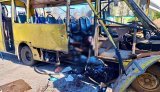
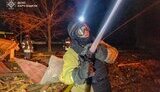
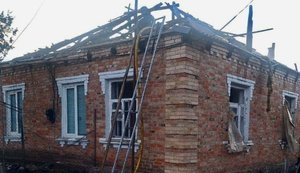
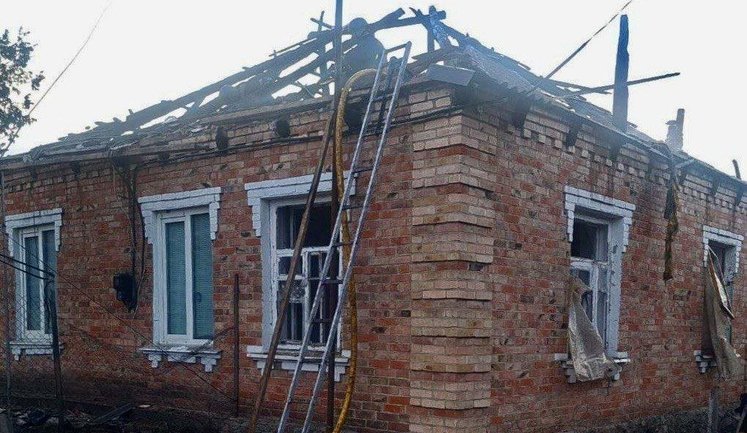
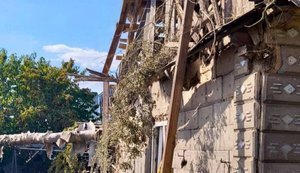
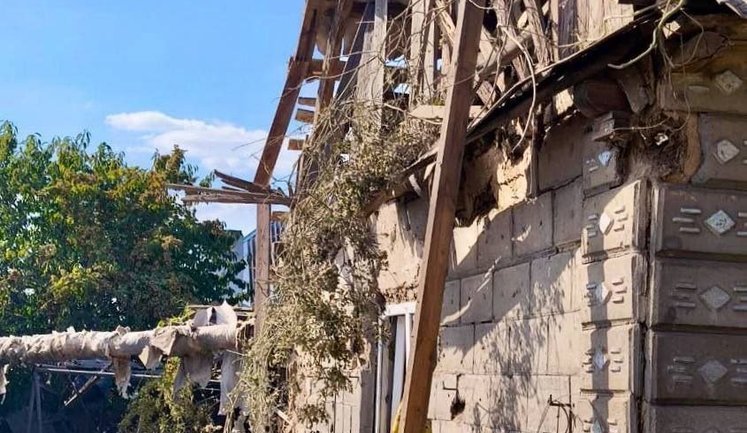
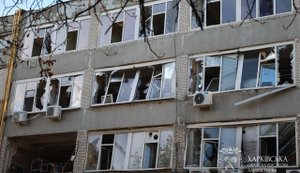
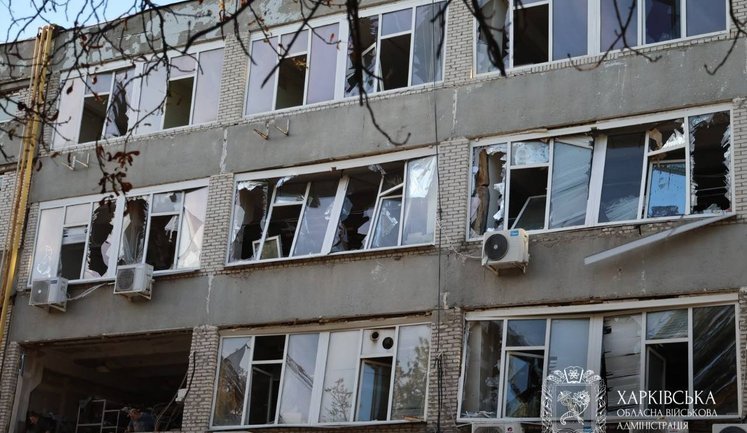
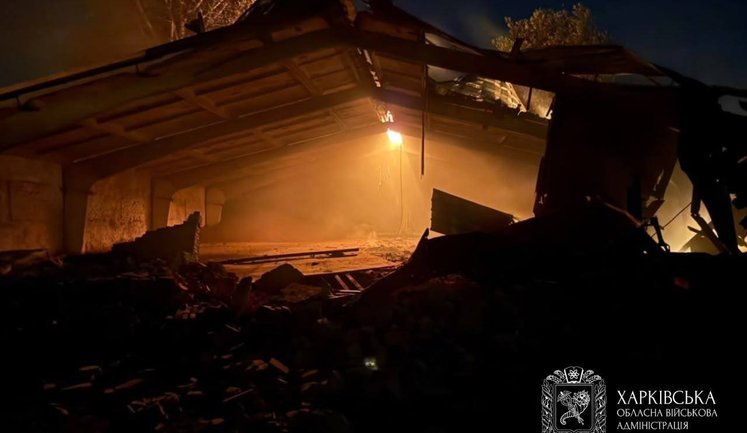
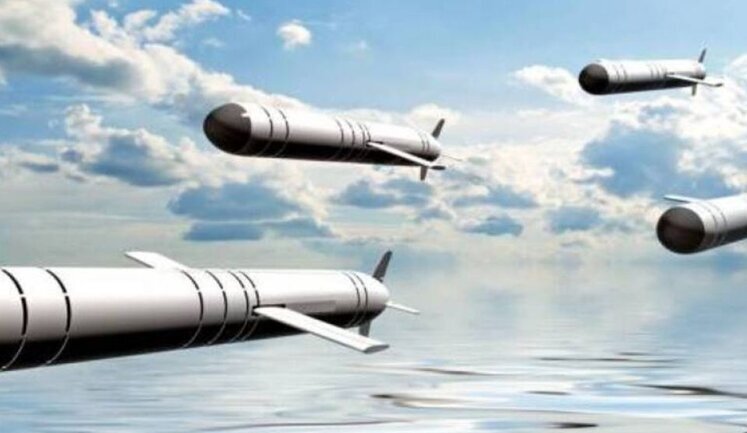
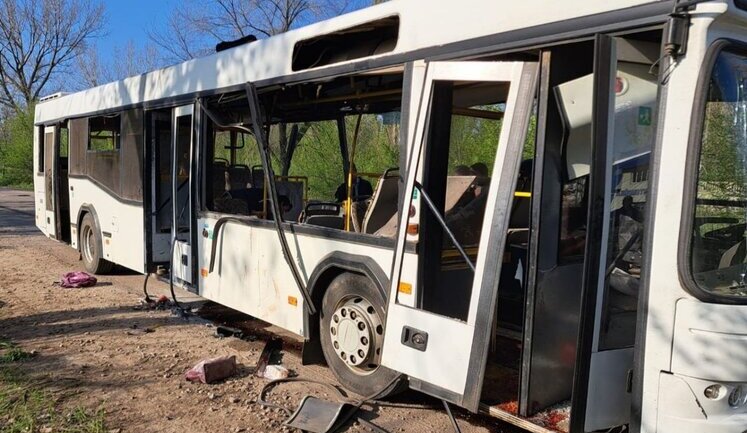
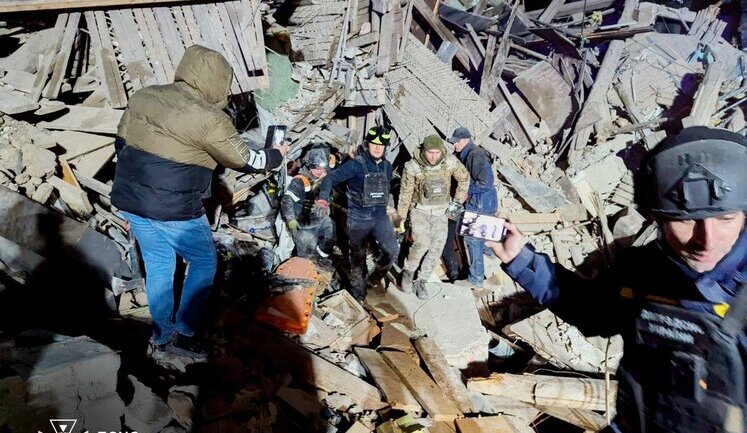
Over recent weeks, the Nikopol district in the Dnipropetrovsk region of Ukraine has faced relentless attacks from Russian forces. These assaults predominantly involve the use of drones, artillery, and missiles, resulting in significant fatalities and injuries among civilians. Infrastructure, including residential buildings, utilities, and businesses, has been severely damaged. The local authorities have reported over 50 strike incidents in just a few days. This situation has severely disrupted daily life and essential services, leading to power outages and the necessity for emergency evacuations in affected areas. The region's resilience is being tested as communities struggle to cope with the continuous bombardments and the resultant human and material toll.
How often are attacks occurring in the Nikopol district?
Recent reports indicate that Russian forces have attacked the Nikopol district in the Dnipropetrovsk region more than 50 times in a few days, highlighting the intensity and frequency of these assaults using drones, artillery, and missiles.
What types of damage are being caused by the attacks in Dnipropetrovsk?
The attacks have resulted in severe damage to residential buildings, businesses, and infrastructure. There have been reports of fires, power outages, and destruction of vital utilities, disrupting daily life and essential services for residents.
What actions are authorities taking in response to the attacks?
Authorities in the Dnipropetrovsk region are coordinating emergency responses, including evacuation orders for affected areas, efforts to restore utilities, and providing support to the injured and those affected by the continuous shelling incidents.
What is the impact of these attacks on local communities in Nikopol?
These relentless attacks have led to significant human tolls, with numerous fatalities and injuries reported. The disruption to infrastructure and essential services has caused hardships for local communities, who struggle to maintain a semblance of normalcy amid ongoing threats.
How are residents coping with the ongoing attacks in the region?
Residents have shown remarkable resilience in coping with the disruptions caused by continuous attacks. Despite frequent power outages, damage to facilities, and risks to personal safety, communities are rallying to support each other through this challenging period.
Are there any international responses to the situation in Nikopol and Dnipropetrovsk?
The international community is observing the situation closely, with various humanitarian organizations offering assistance to affected regions in Ukraine. Calls for diplomatic interventions to halt the attacks continue to grow among global leaders.
What are the long-term prospects for recovery in Dnipropetrovsk?
Long-term recovery efforts in Dnipropetrovsk will require significant international support and resources to rebuild infrastructure, restore utilities, and provide ongoing humanitarian aid to those impacted by the prolonged conflict.