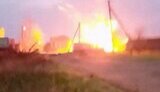
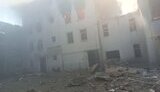
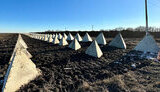
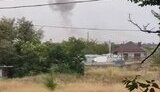
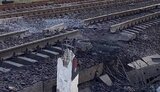
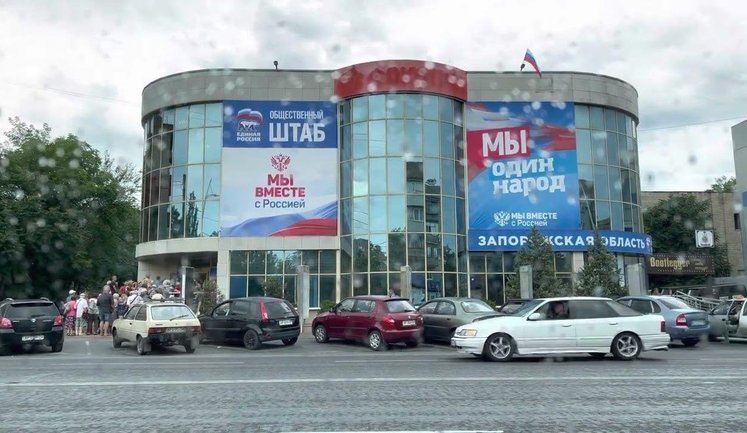
Melitopol, located in the Zaporizka region of Ukraine, remains a focal point in the ongoing conflict with Russian forces. The city, temporarily occupied by Russia, has witnessed numerous Ukrainian drone strikes targeting key Russian military logistics. The local resistance, combined with strategic operations by the Ukrainian Defense Forces, aims to weaken Russian control. Reports of frequent explosions and targeted attacks highlight the intense military focus around Melitopol. Despite challenges, the Ukrainian forces persist in their efforts to liberate and reclaim control of their territories in Zaporizhzhia region.
What strategic importance does Melitopol hold in the conflict?
Melitopol serves as a crucial logistics hub in the Zaporizka region, making it a key target for Ukrainian forces aiming to disrupt Russian military operations. The city's geographic location influences control over the region's infrastructure and supply routes.
How is the local resistance in Melitopol organized?
The local resistance in Melitopol is organized through a combination of Ukrainian Defence Forces and local population efforts, including covert operations to undermine Russian military presence and support for the ongoing conflict against occupation.
What role do drone strikes play in the Zaporizka region conflict?
Drone strikes in the Zaporizka region, particularly near Melitopol, are vital in targeting Russian military logistics and positions, effectively disrupting supply chains and weakening the opponent's hold on the area. They help in strategic offensives and intelligence gathering.
Why are explosions frequently reported in Melitopol?
Frequent explosions in Melitopol are due to the persistent military operations in the area. Ukrainian forces utilize artillery and drone strikes to target Russian installations, logistics centers, and other strategic positions, often leading to reported detonations.
What measures have Russian forces implemented in occupied Melitopol?
Russian forces have increased military presence, established surveillance systems, and attempted to recruit local collaborators to maintain control over Melitopol. They also engage in propaganda and militarization of the local youth to reinforce occupation efforts.