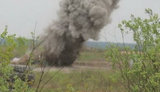
Recent events surrounding regional councils in Ukraine highlight both the ongoing conflict and internal political dynamics. The Shahed attack on Dnipro resulted in significant damage to the regional council building, illustrating the continued vulnerability of critical infrastructure. Meanwhile, in Ternopil, Mykhailo Holovko, previously dismissed over bribery suspicions, was reinstated as head of the regional council, only to be fired again following a secret ballot by deputies. This underscores the turbulence and legal battles within local governance. Such incidents reflect not only on the immediate safety concerns but also the political maneuverings that impact regional governance. Key regions like Kharkiv and Kherson also face challenges, from de-occupation financing needs to the threats of orchestrated referenda by occupying forces. The regional council's role in navigating these issues is crucial for maintaining regional stability and integrity.
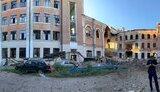
What was the impact of the Shahed attack on the Dnipro Regional Council?
The Shahed attack on the Dnipro Regional Council resulted in considerable structural damage to the building, reflecting the ongoing threats to regional infrastructure amid conflict. Such incidents emphasize the region's vulnerability and the persistent need for rebuilding and security measures to safeguard crucial administrative functions.
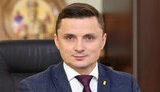
Why was Mykhailo Holovko dismissed again from the Ternopil Regional Council?
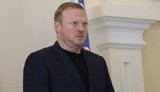
Mykhailo Holovko was dismissed again from the Ternopil Regional Council following a secret ballot by deputies. Despite his previous reinstatement by a court ruling amidst bribery suspicions, his second dismissal highlights ongoing political and legal challenges within the council's leadership dynamics and decision-making processes.
How is Kharkiv Regional Council addressing de-occupied community issues?
The Kharkiv Regional Council has allocated an additional UAH 300 million for financing de-occupied communities, indicating proactive measures to assist in rebuilding and restoring normalcy in areas affected by conflict. This financial support aims to boost reconstruction and help affected populations recover from the disruptions experienced.
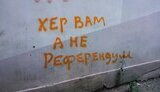
What is the response of Kherson Regional Council to Russian orchestrated activities?
Kherson Regional Council, through its deputies, has been actively addressing Russian attempts at orchestrating referenda, demonstrating a commitment to countering illegal occupation efforts. The council's actions represent a key stand against misleading governance attempts and seeking to maintain regional integrity under Ukrainian law.
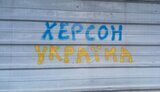
How has the situation in Kherson evolved with respect to regional council actions?
In Kherson, the regional council has contended with increased Russian filtering measures and orchestrated activities, according to reports. Key figures, like the first deputy chairman, have voiced concerns over the persistent threats. Such evolving dynamics demand ongoing vigilance and strategic responses to protect governance and public order in the region.