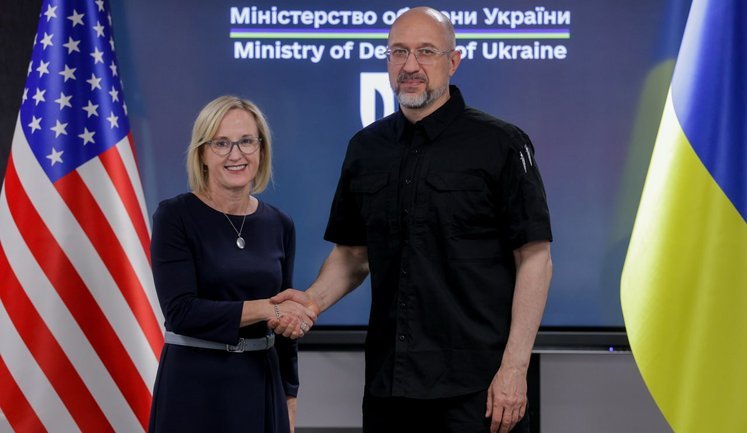
Recent developments in defense include Moldova's agreement with Ukraine on military-technical cooperation and Ukraine's efforts to enhance its defense technology with specialized centers for air defense and electronic warfare. Notably, for the first time, Ukrainian arms manufacturers have successfully won NATO tenders, indicating a significant integration with NATO's procurement processes. Moreover, financial support is robust, with 4.36 billion euros from the EU and significant aid from Norway and other NATO countries. Strategic meetings and agreements continue to strengthen Ukraine's defense posture, with focus on innovations like FPV drones and underground defense plants, as well as preparing cities like Odessa with robust defense infrastructures.
What is the significance of Moldova's agreement with Ukraine on defense cooperation?
Moldova's government has approved a military-technical cooperation agreement with Ukraine, which facilitates the exchange of defense technologies and expertise. This partnership aims to bolster strategic defense capabilities, proving vital for regional security and resilience amid ongoing geopolitical challenges in Eastern Europe.
How is Ukraine advancing its defense technology infrastructure?
Ukraine's Ministry of Defense is establishing specialized centers dedicated to air defense, electronic warfare, and deep strike capabilities. These initiatives highlight Ukraine's commitment to modernizing its defense technology and strengthening its military capabilities to protect national sovereignty.
What impact does winning NATO tenders have on Ukrainian defense companies?
Winning NATO defense tenders marks a historical milestone for Ukrainian manufacturers, enhancing their credibility and integration within international defense markets. It signifies recognition of Ukraine's advanced defense production capabilities and opens new avenues for future collaborations and contracts.
How are international financial aids contributing to Ukraine's defense initiatives?
International financial aid, such as the EU's 4.36 billion euros, plays a crucial role in supporting Ukraine's defense sector, with funds allocated for both state budget enhancement and specific defense procurement. This funding supports the development of new defense technologies and bolsters Ukraine's military readiness.
What strategies is NATO considering to counter potential threats from Russia?
NATO is revising its defense strategy to potentially include precision strikes inside Russian territory if Russia initiates an attack. This proactive strategy aims to thwart Russian aggression and maintain the security of NATO members, reflecting a significant shift in defensive posturing.
What are the recent developments in Ukraine's engineering defense strategies?
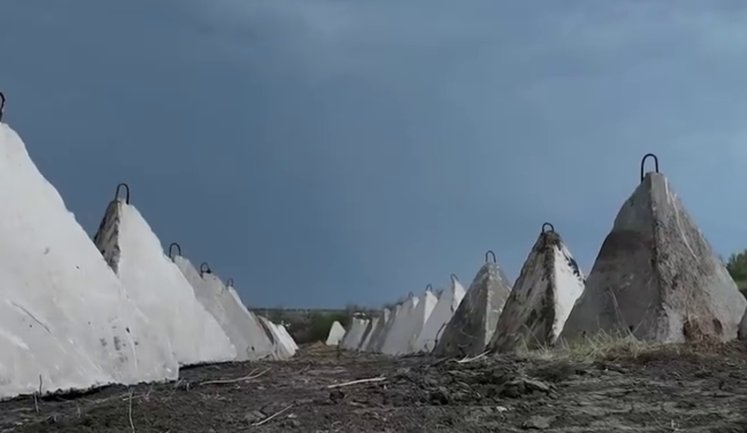
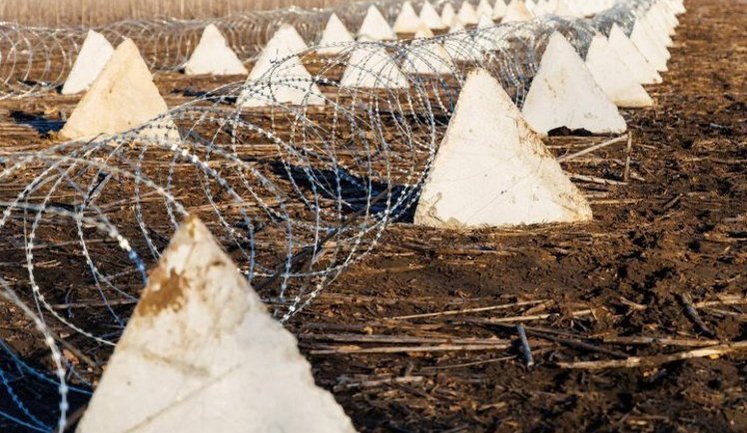
Ukraine is enhancing its defense infrastructure with initiatives like expanding the engineer obstacle belt for city defenses, as enacted by President Zelenskyy's NSDC decision. Additionally, the Cabinet has approved strategies for developing engineering equipment to fortify defensive lines through 2028.
How is private investment being integrated into Ukraine's defense industry?
Ukraine is encouraging private investments in its defense industry, focusing on building underground production facilities for defense manufacturing. This initiative seeks to attract capital to enhance production capabilities and ensure resilience against potential attacks.
What role does technology play in Ukraine's current defense operations?
Technology is pivotal; Ukraine is utilizing AI models developed with NATO to predict and plan responses to threats. The deployment of advanced UAVs and technologies like remote-controlled interceptors underline the importance of tech-driven strategies in its defense operations.