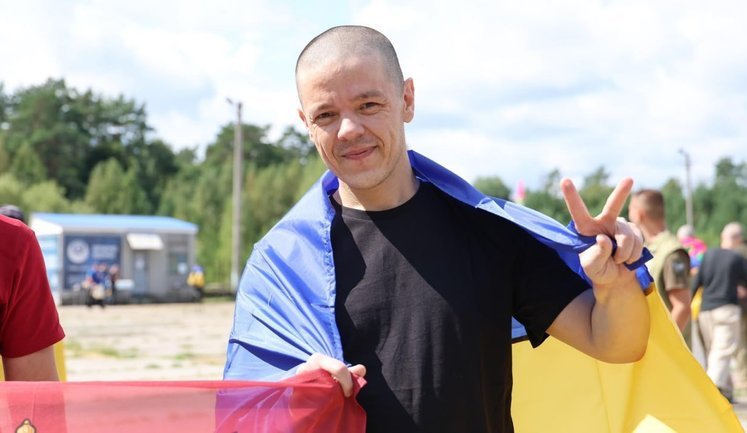
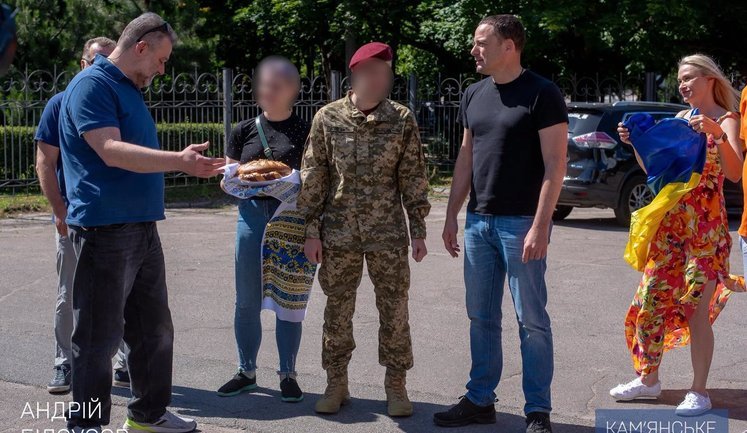
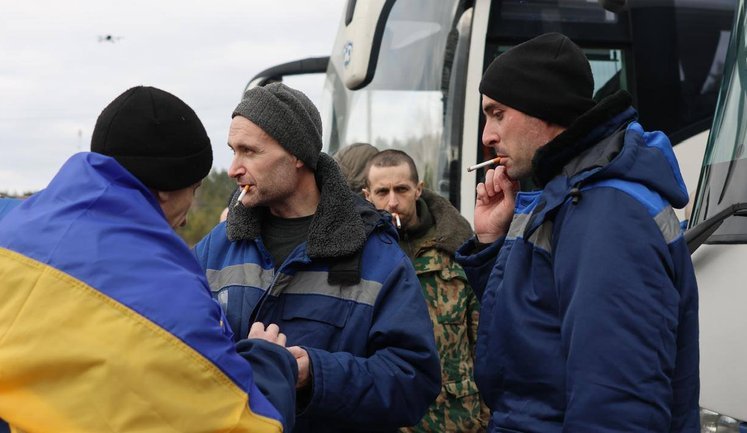
Within the intense geopolitical climate, news of captivity unveils the harrowing stories of Ukrainian defenders held by Russia. Recent events highlight the captivity and eventual release of 10 Ukrainian servicemen, whose accounts provide a vivid picture of imprisonment and emotional reunions. This underscores the dire situation of many, with at least 375 Ukrainians confirmed dead due to torture in captivity. These narratives are crucial for understanding the ongoing conflict, especially with complaints from Azov fighters and issues regarding prisoner exchanges. Such events raise significant concerns about the psychological and physical toll on captives and the strategies employed to secure their freedom.
What measures are being taken to address the issue of Ukrainian prisoners held in Russia?
The Ukrainian government, in collaboration with international organizations, is actively working to secure the release of prisoners through diplomatic talks and organized prisoner exchanges. These efforts are pivotal in reuniting families and addressing human rights violations.
How many Ukrainians have been returned from Russian captivity so far?
Since the conflict began, over 8,000 Ukrainians have been successfully returned from Russian captivity through various prisoner exchanges and international negotiations, as coordinated by Ukrainian authorities.
What challenges do released Ukrainian prisoners face after captivity?
Released Ukrainian prisoners often face severe psychological distress, physical injuries, and illnesses as a result of torture and inhumane conditions while in captivity. Rehabilitation and support services are essential for their recovery.
What impact has Russian detainment had on Ukrainian civilians?
Many Ukrainian civilians have been unlawfully detained, subjected to torture, and held in degrading conditions. International bodies are actively investigating these human rights abuses to hold perpetrators accountable and prevent further occurrences.
Are there confirmed reports of torture in Russian captivity?
Yes, there are numerous confirmed reports, including the deaths of at least 375 Ukrainians due to torture while in Russian custody. Over 95% of prisoners have reported experiencing some form of ill-treatment during their captivity.
How is the issue of missing Ukrainian defenders being handled?
The Ukrainian government, along with international human rights organizations, is actively searching for missing defenders, collecting data, and organizing exchanges to ensure their safe return. These efforts are ongoing and critical to familial reunification.
What has been the role of international organizations in resolving captivity issues?
International organizations have played a significant role in advocating for the release of captives, documenting abuses, and exerting diplomatic pressure on Russia to adhere to international human rights conventions and prisoner exchange agreements.
What strategies are being employed to secure the release of remaining prisoners?
The strategies include diplomatic negotiations, alliances with international bodies, leveraging media attention, and direct appeals to organizations such as the Red Cross and United Nations to address the systemic issues and expedite prisoner releases.