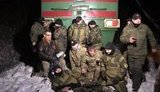
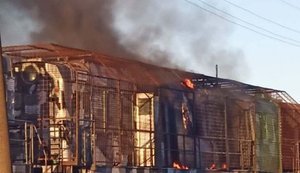
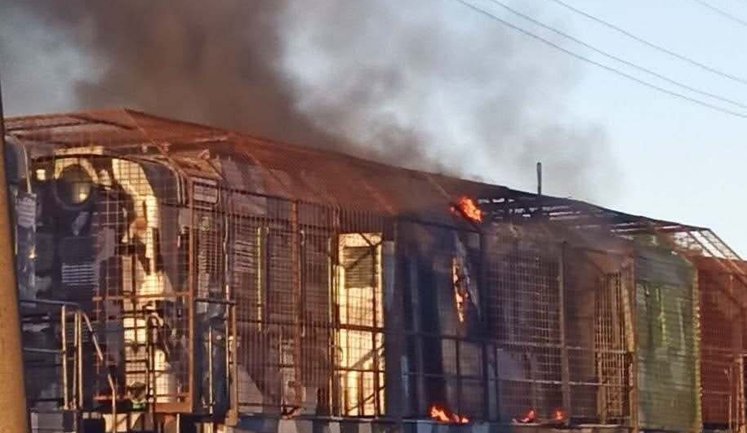
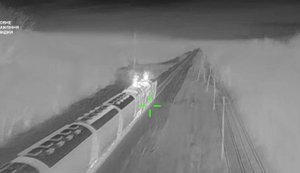
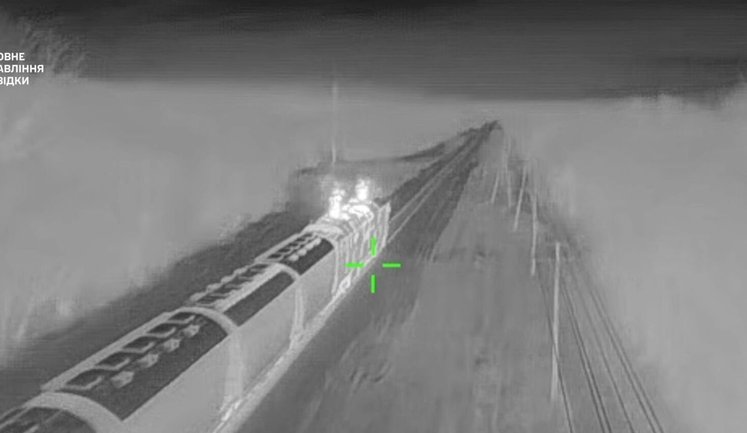
Recent events highlight the severe impact of the ongoing conflict on train services in Ukraine. In the Kharkiv region, Russian UAVs attacked the Lozova–Kharkiv train, resulting in casualties and injuries among passengers. Elsewhere, attacks on passenger trains in the Dnipropetrovsk region underscore the consistent threat faced by rail services. These events contribute to significant delays for Ukrzaliznytsia trains, sometimes extending beyond seven hours.
What types of attacks have trains in Ukraine faced?
Trains in Ukraine have been subjected to various attacks, including drone strikes and missile attacks, leading to casualties, injuries, and significant delays in services. The ongoing conflict has severely disrupted the frequency and reliability of train operations in several regions.
How has Ukrzaliznytsia responded to attacks on trains?
Ukrzaliznytsia has made several adjustments to train schedules and routes in response to attacks, working closely with airspace control to avoid active conflict zones. They also ensure ongoing maintenance to tackle delays caused by these attacks and adverse weather conditions.
Are any regions particularly affected by the train service disruptions?
Regions like Kharkiv, Dnipropetrovsk, and Crimea are notably affected by disruptions due to direct attacks on train services. Train operations in these regions have experienced significant delays and service suspensions, affecting both passenger and freight trains.
What measures are in place for passenger safety during train journeys?
For passenger safety, Ukrzaliznytsia has implemented real-time adjustments to routes based on UAV paths, provided military coordination for emergency situations, and updated travelers about changes. Enhanced security protocols are in place to ensure passenger protection during travel.
How have train schedules been affected by the ongoing conflict?
Train schedules have been severely disrupted due to conflict-related attacks, with rerouting and rescheduling necessary for safer journeys. Train delays often extend for several hours, and services are frequently revised to accommodate the changing security landscape.