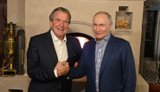
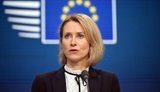
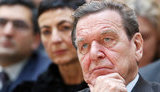
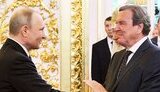
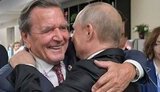
Gerhard Schröder, the former German Chancellor, remains a controversial figure in European political discourse, particularly concerning Russia-EU relations. Recently, his interactions with Russian President Vladimir Putin, including celebrating Putin's birthday, have drawn significant attention. Schröder's name surfaces in negotiations regarding the Russian-Ukrainian conflict, where Putin proposed him as a potential mediator with the EU. However, skepticism persists as EU representatives like Kaja Kallas criticize his suitability, alleging he serves as a Russian lobbyist. Despite Schröder’s calls to cease demonizing Russia, leaders like Estonia’s Margus Tsahkna fiercely oppose this stance, reinforcing the narrative that Schröder's perceived allegiances complicate diplomacy efforts.
Why is Gerhard Schröder a controversial figure in Europe regarding Russia?
Former Chancellor Gerhard Schröder is often seen as controversial due to his close ties with Russian authorities, including regular interactions with President Putin, and his pro-Russian stance. His advocacy for conversations with Russia often puts him at odds with EU officials who demand a harder stance against Russian actions in Ukraine, leading to debates on his influence and allegiances.
Has Gerhard Schröder been proposed as a mediator in the Russia-Ukraine war?
Yes, it was suggested by Russian authorities that Schröder might serve as a mediator between the EU and Russia. However, this was met with resistance from EU personnel, citing his close association with Moscow and concerns over his impartiality in mediating the ongoing conflict, making his participation contentious.
What is the EU's stance on Schröder mediating Russian negotiations?
The EU, represented by voices such as Kaja Kallas, opposes Gerhard Schröder as a mediator due to his strong affiliations with Russian leadership, raising issues about his impartiality. The EU prioritizes a mediator who can fairly represent European interests without bias influenced by previous alliances with Russia.
How has Gerhard Schröder's relationship with Russia affected his political standing?
Despite controversies, Schröder retains membership in Germany's Social Democratic Party but remains a divisive figure due to criticisms of his perceived lobbying for Russian interests. His political standing is often challenged by those demanding stricter sanctions and a firmer response against Russia for its actions in Ukraine.
What influence does Schröder's stance have on EU-Russia energy discussions?
Schröder advocates for resuming energy cooperation with Russia, which some EU leaders oppose, arguing that this downplays the repercussions of Russian aggression in Ukraine. His suggestions trigger debates over Europe's energy dependency on Russia, affecting energy policies and negotiations at various political levels.