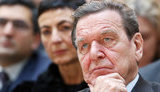
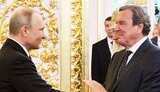
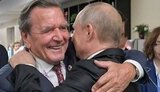
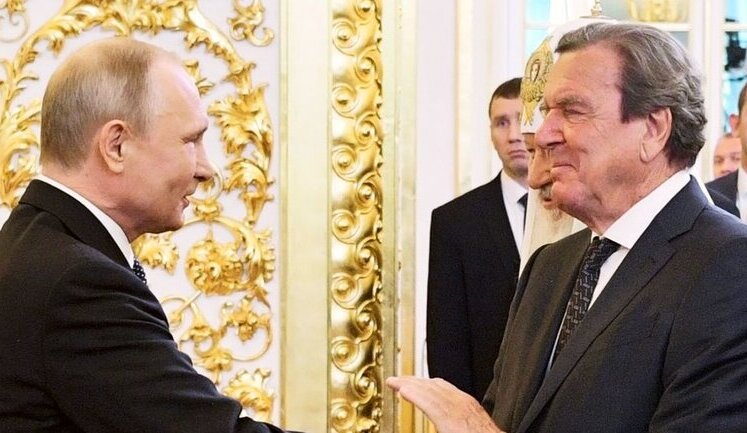
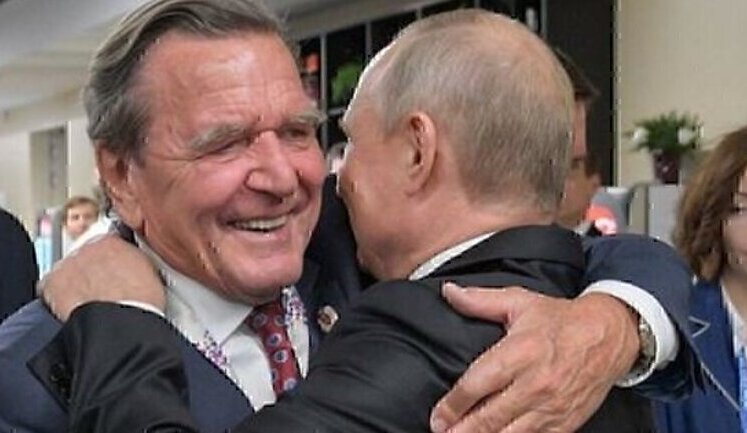
Gerhard Schröder, the former German Chancellor, has been a pivotal figure in discussions around the Ukraine crisis. Recently, German Social Democrats decided not to expel him from the party, maintaining his influential role within German politics. Schröder's close ties with Russia, specifically his friendship with President Putin, place him in a unique position to potentially facilitate negotiations. He has voiced that diplomacy is essential in resolving the conflict, as mentioned in his interview with German media and after his recent visit to Moscow. This highlights the ongoing complexities of political allegiances and diplomatic strategies that shape the current geopolitical landscape.
What is Gerhard Schröder's connection to Russia?
Gerhard Schröder, former German Chancellor, is known for his close relationship with Russian President Vladimir Putin. This connection has given him a unique perspective and role in international diplomacy, particularly concerning the ongoing conflict in Ukraine. Schröder's visits to Moscow and interactions with Russian officials have been a significant focus in media reports.
Why did the German Social Democrats decide not to expel Schröder?
The German Social Democrats opted not to expel Schröder from the party despite controversies surrounding his ties to Russia. This decision stems from Schroeder's long-standing position within the party and his potential influence in diplomatic negotiations. The decision highlights the intricate dynamics within political parties when dealing with international matters.
How has Schröder contributed to discussions on the Ukraine conflict?
Schröder has contributed to discussions on the Ukraine conflict through his emphasis on diplomacy. He believes that diplomatic negotiations are central to resolving the war, a stance he has reiterated in interviews and discussions with the media. His connections with Russian leaders make him a potential mediator in this international conflict.
What was the response of Ukrainian leadership to Schröder's statements?
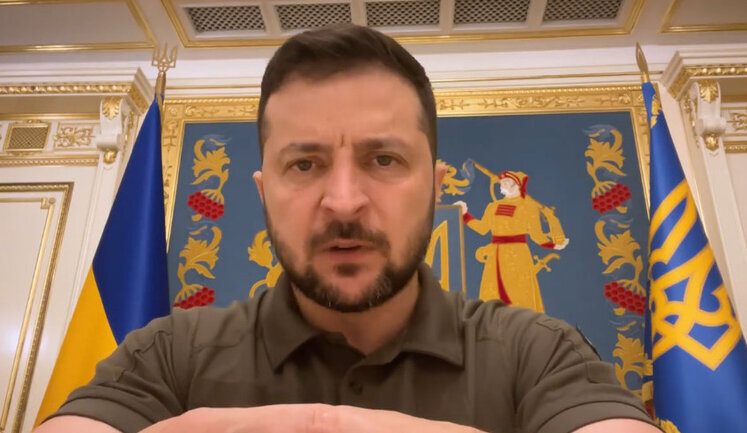
Ukrainian leadership, particularly President Volodymyr Zelensky, has been vocal about their skepticism of Russian intentions, as indicated by their critique of military movements in the southern regions. However, Schröder's call for diplomacy aligns with Ukraine's interest in securing a peaceful resolution, highlighting the mixed responses and diplomatic challenges in addressing the conflict.
What impact does Schröder's stance have on international relations?
Schröder's stance on diplomatic negotiations impacts international relations by emphasizing the need for dialogue over conflict. His involvement underscores the complex relationships between European and Russian diplomacy and the vital role of high-profile figures in influencing peace efforts. This stance reflects the broader European perspective advocating for peaceful solutions.