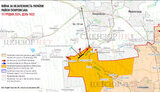
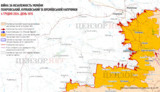
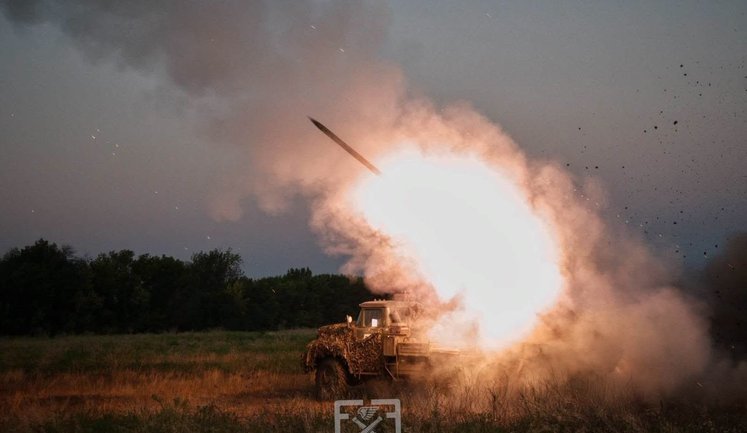
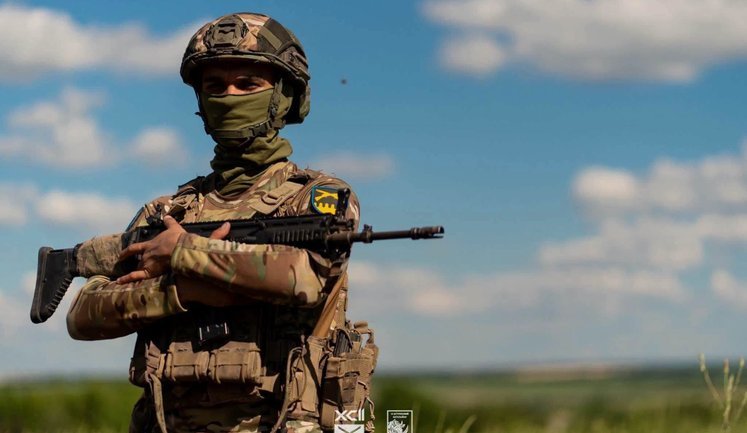
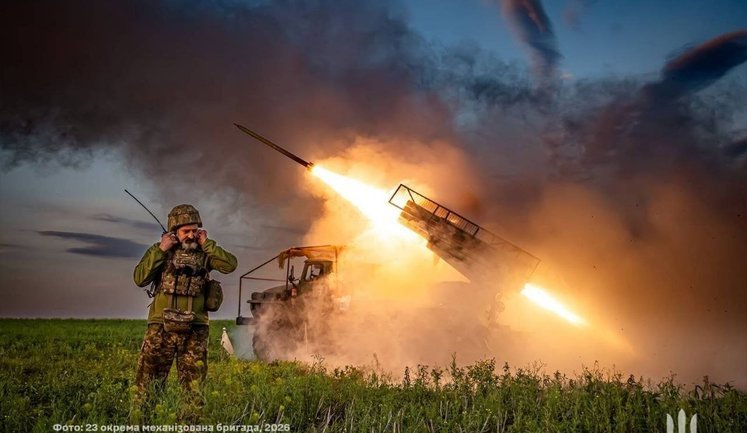
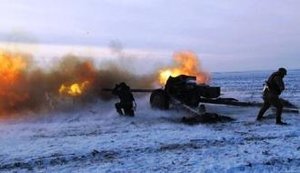
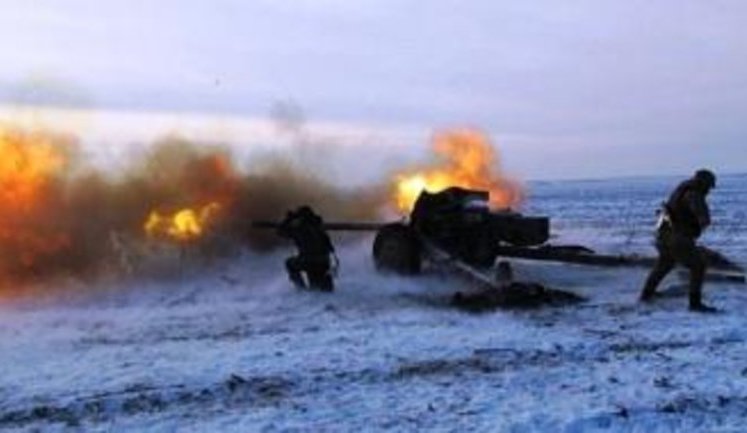
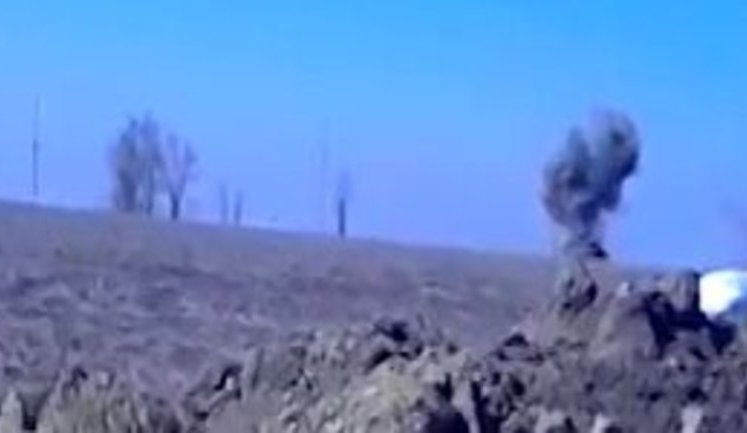
Recent reports highlight significant military actions across Ukraine, with a focus on the intense fighting in the Pokrovsk sector. Since September began, numerous combat engagements have been reported, illustrating the ongoing struggle for strategic points. The Ukrainian Defense Forces continue to repel daily assaults by Russian troops, particularly in border areas like Kharkiv and Donetsk. Military operations such as 'Vivaldi' showcase Ukraine's strategic planning and coordinated efforts. Despite advances by Russian forces in some sectors, the Ukrainian military remains resilient, liberating territories and disrupting enemy operations. These military actions are critical in shaping the evolving landscape of this protracted conflict.
Why is the Pokrovsk sector experiencing intense fighting?
The Pokrovsk sector is strategically important due to its geographical location and infrastructure, making it a focal point for controlling movement and supply routes. Consequently, both Ukrainian forces and Russian occupiers intensify their military actions in this area to gain a tactical advantage and disrupt the opponent's operations.
How are Ukrainian forces responding to Russian military actions?
Ukrainian forces employ strategic planning and localized counterattacks, notably exemplified by 'Operation Vivaldi,' to disrupt Russian advances. They focus on repelling daily assaults, utilizing air support, and regaining control over territories, thus maintaining pressure on Russian forces and protecting key defensive positions.
What are the key developments in the Kharkiv region?
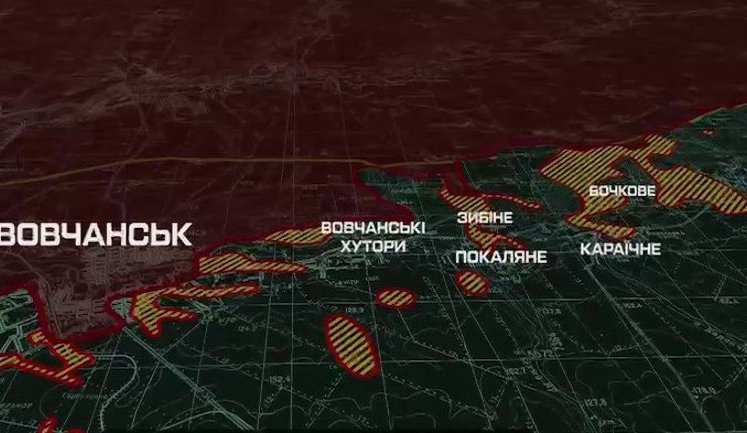
In the Kharkiv region, Russian troops aim to expand their control, launching daily attacks in Vovchansk and Vilkhovets sectors. The Ukrainian Defense Forces continue to resist these advances, regaining control of areas like Zapadne, emphasizing resilience despite repeated assaults by occupying forces.
What impact do military actions have on civilian evacuations?
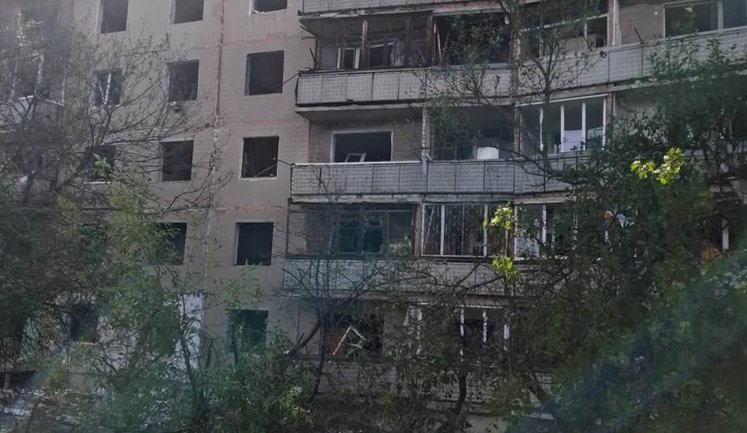
Intense shelling and combat in regions such as Donetsk have increased civilian evacuation efforts. With ongoing risks and infrastructure damage, local authorities urge residents to relocate for safety, especially in vulnerable frontline communities where Russian military actions intensify.
How are Russian tactical changes affecting the front lines?
Russian forces adapt their tactics by increasing infantry assaults and utilizing small, agile groups to penetrate Ukrainian defenses. These changes aim to exploit weaknesses and extend control, but Ukrainian surveillance and defensive measures continue to counteract these shifts on the frontline effectively.
What strategic benefits do control gains offer to each side?
Control gains allow forces to secure critical supply lines and geographical advantages that are vital in sustained military operations. For Ukraine, regaining territories bolsters strategic defenses and national morale, whereas, for Russia, advances aim to disrupt Ukrainian command and seize pivotal positions.
Why is Operation Vivaldi significant in Ukrainian military strategy?
Operation Vivaldi exemplifies the meticulous planning and execution by Ukrainian forces, aimed at thwarting Russian strategic advances and restoring control over key regions. This operation underscores Ukraine's capacity to carry out coordinated assaults, thereby destabilizing enemy plans and enhancing defensive capabilities.