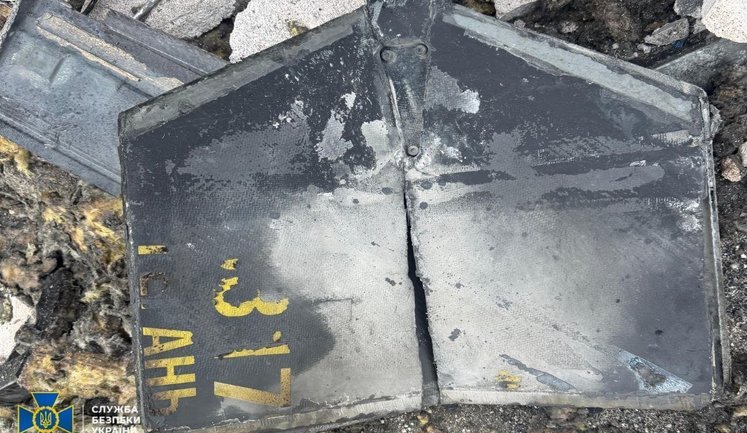
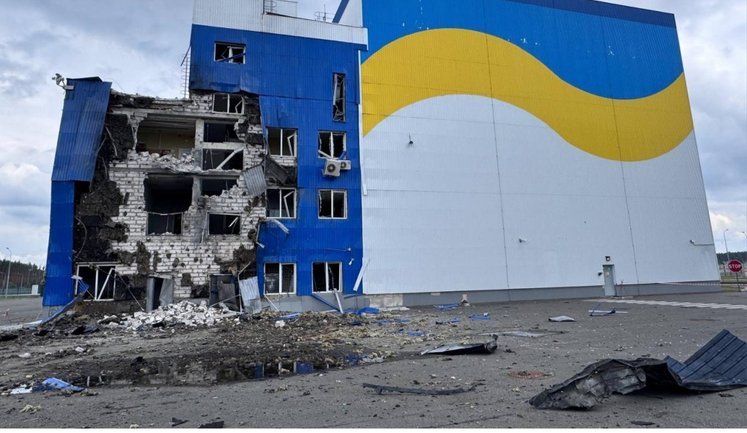
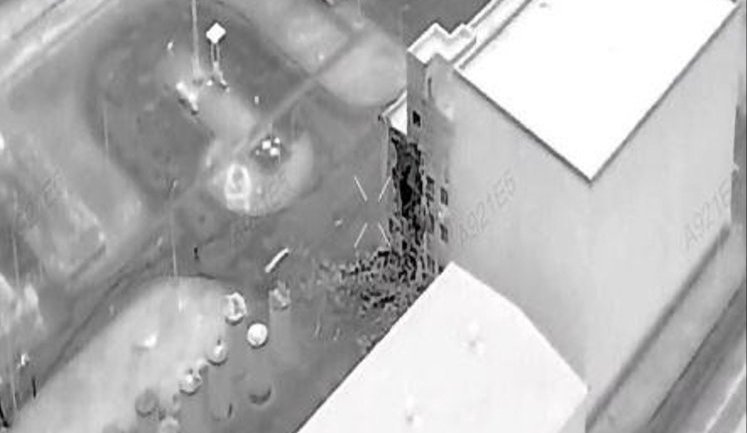
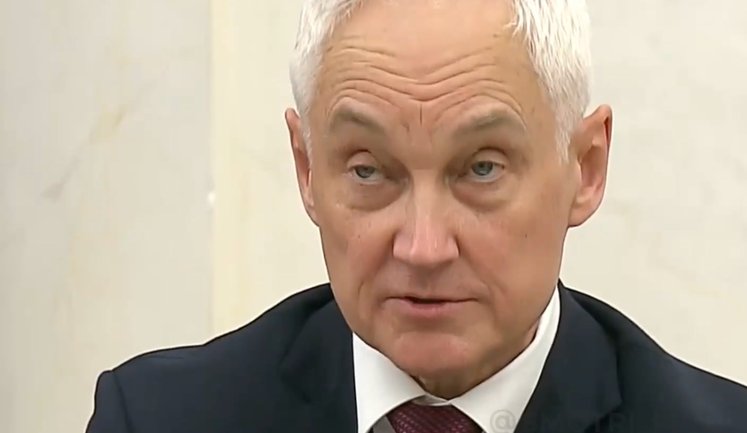
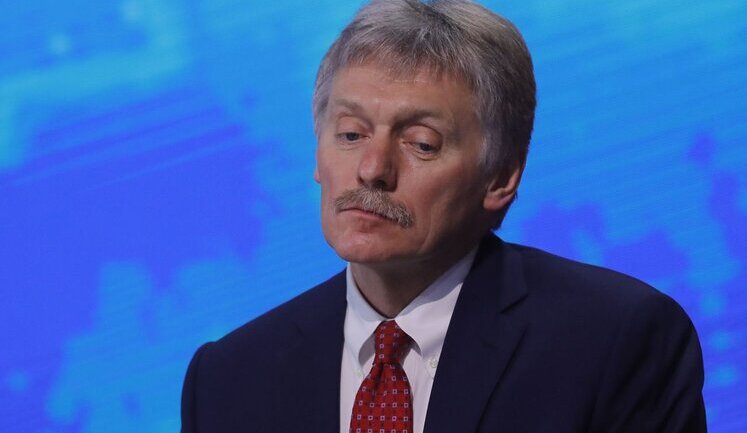
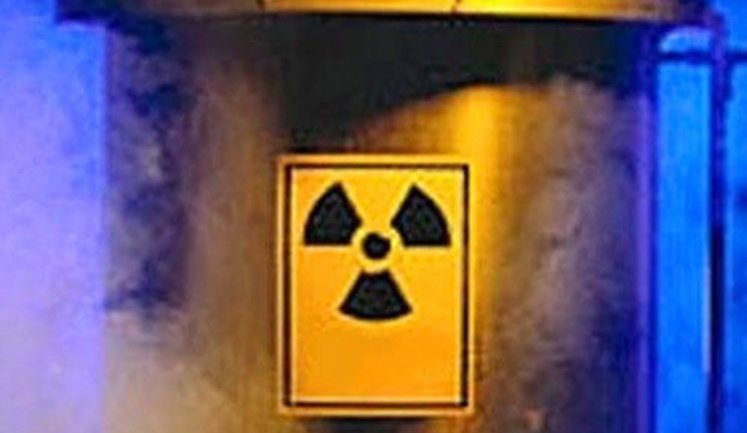
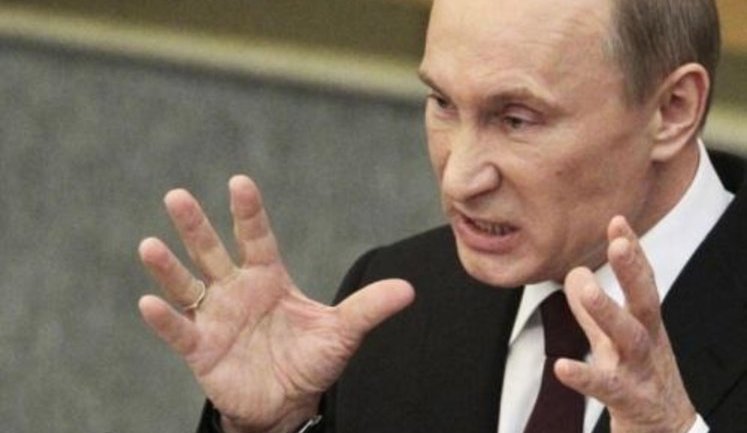
Nuclear security remains a prominent concern globally, especially with recent events highlighting its volatility. Russia's attacks on Ukraine's energy sector have raised alarms within the European Commission, citing threats to nuclear safety. Concurrently, there have been calls to resume full-scale nuclear tests in Russia, underscoring the growing military pressures. The Zaporizhzhia Nuclear Power Plant in Ukraine continues efforts to reconnect to the grid, with international scrutiny from the IAEA highlighting safety challenges. Additionally, geopolitical tensions are evident as countries like the US and Iran navigate complex nuclear negotiations. As nuclear arsenal modernization by countries such as China accelerates, the global community is urged to focus on strategic security measures to mitigate risks and ensure nuclear stabilization.
Why is Russia's activity a threat to nuclear security?
Russia's aggressive actions in Ukraine, targeting energy and nuclear facilities, have raised significant nuclear security concerns. Such attacks endanger civilian infrastructure and complicate global safety standards. The potential risk stems from military actions that disrupt power supplies and safety protocols at nuclear sites, posing severe threats to public health and regional stability.
How is nuclear security being affected by geopolitical tensions?
Geopolitical tensions influence nuclear security by increasing the stakes in international diplomacy and military strategy. Countries are modernizing arsenals, as seen with China's nuclear build-up, raising fears of an arms race. Meanwhile, international bodies like the IAEA work to maintain oversight and ensure compliance with safety protocols amidst political friction.
What steps are being taken to address nuclear safety in Ukraine?
To address nuclear safety, efforts are concentrated on securing the Zaporizhzhia NPP and restoring power connections. The Ukrainian government, in collaboration with the IAEA and international partners, is implementing safety measures while navigating the complex geopolitical landscape surrounding Russian interventions.
What are the implications of Iran's rejection of US nuclear talks?
Iran's rejection of nuclear talks with the US heightens regional tensions and complicates diplomatic efforts to curb nuclear proliferation. It underscores the challenges facing international negotiations, as both parties have yet to find common ground on nuclear activity and sanctions, impacting regional stability.
What is being done to prevent nuclear threats, according to NATO?
NATO is focusing on strengthening deterrence capabilities, rather than reacting provocatively to rhetoric from Russia. Their strategy aims to maintain alliance unity and credibility in defense, ensuring preparedness and collaboration among member states to counterbalance potential nuclear threats.
How is international cooperation aiding nuclear security?
International cooperation, such as the US and Ukraine's memorandum and Norway-Ukrainian projects, strengthens nuclear security through technical assistance, regulatory oversight, and knowledge-sharing. These collaborations help build resilience against nuclear threats and promote safety across nuclear facilities.
Why is nuclear safety crucial amid military conflicts?
Nuclear safety is crucial during military conflicts to prevent catastrophic outcomes from strikes on nuclear facilities. Ensuring uninterrupted power supply and robust safety protocols helps mitigate risks of nuclear incidents, protecting both civilian populations and the environment from potentially disastrous effects.