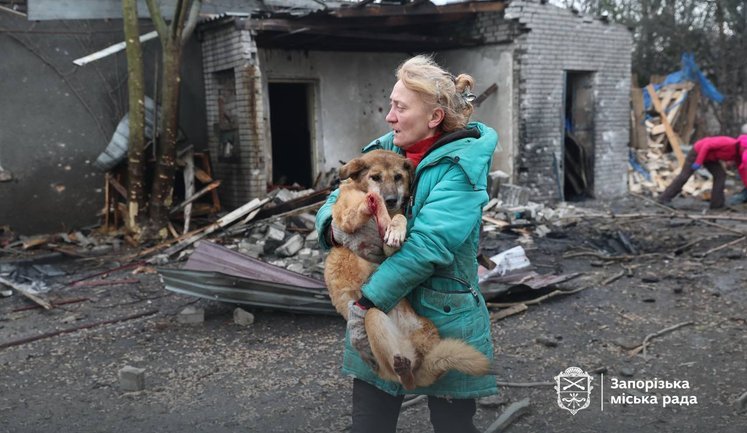
In 2026, asylum remains a pressing issue for Ukraine and Europe. Meanwhile, an animal shelter in the Kharkiv region housing animals rescued from the combat zone is facing closure, which could leave 400 dogs and 40 horses in difficult conditions. As the Netherlands and Germany introduce new rules affecting Ukrainians’ ability to obtain asylum, legislative changes across the EU continue to fuel debate. Developments in the Netherlands and Poland point to growing difficulties for refugees, while activists in Ukraine are fighting to preserve vital humanitarian initiatives.
What is the current situation for animal shelters in Ukraine?
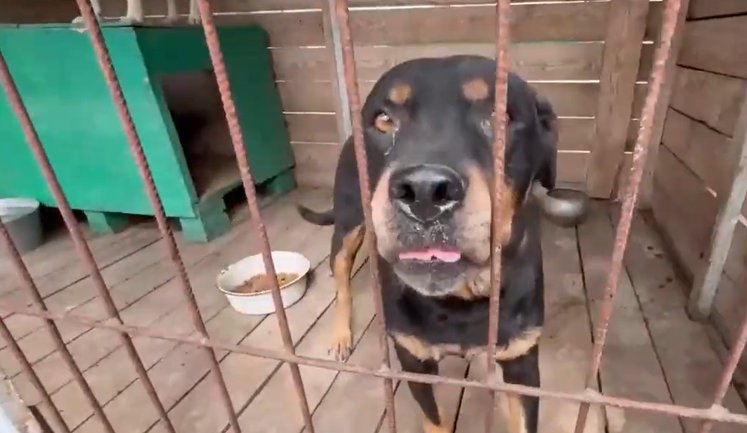
The animal shelter in the Kharkiv region is at risk of closing due to financial difficulties and a lack of resources. It houses animals rescued from the combat zone, including 400 dogs and 40 horses. Its closure could leave many animals homeless and make it difficult to ensure their safety and welfare.
Why did the Netherlands revise its rules for Ukrainian refugees?
The Netherlands adopted a new law changing its asylum rules and restricting family reunification. This is linked to the need to adapt to the growing influx of refugees and ensure the effective integration of those who genuinely require protection. The new rules are presented as a way to improve migration management.
How have asylum conditions changed in Germany?
The number of asylum applications in Germany has fallen by half compared with the previous year. This may be the result of legislative changes and a broader decline in the number of asylum seekers. These developments could help streamline procedures and strengthen oversight of how applications are processed.
How has the European Union changed the rules for deporting asylum seekers?
The European Union approved new deportation rules allowing asylum seekers to be sent more quickly to third countries, even if they have no direct ties to those countries. The measures are part of a reform of the EU-wide asylum system intended to make removal procedures more efficient and reduce pressure on asylum systems in EU member states.
Why has Poland decided to suspend the granting of asylum?
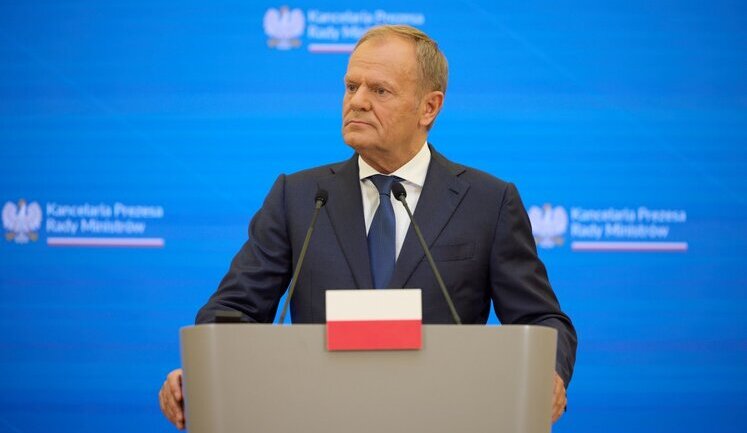
Poland is considering suspending the granting of asylum due to security concerns and its migration policy. The decision may be motivated by the need to protect national interests and strengthen border security, particularly amid growing migration pressure from outside the EU.
How can animal shelters affected by the war be supported?
Animal shelters affected by the war need financial donations, food, veterinary medicines, transportation and foster or permanent homes for rescued animals. Such support can help prevent closures and ensure that animals continue to receive proper care.
How does the EU view asylum for Russian soldiers refusing to fight?
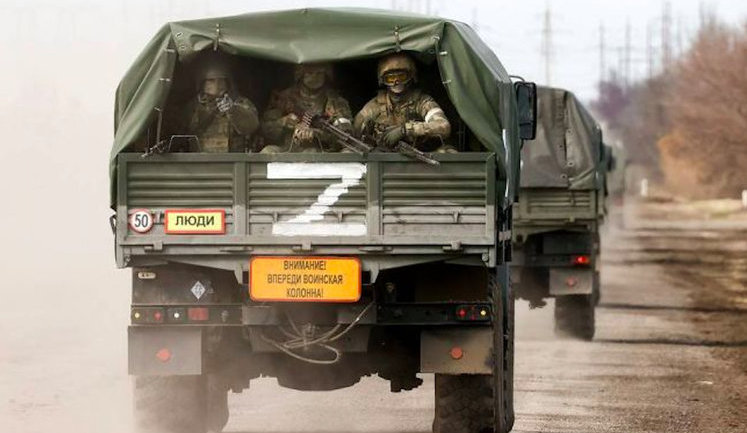
The EU is considering granting asylum to Russian soldiers who lay down arms in Ukraine. This initiative by the European Council encourages military personnel to defect in support of peace and human rights, offering them refuge in EU member states.