10303 visitors online
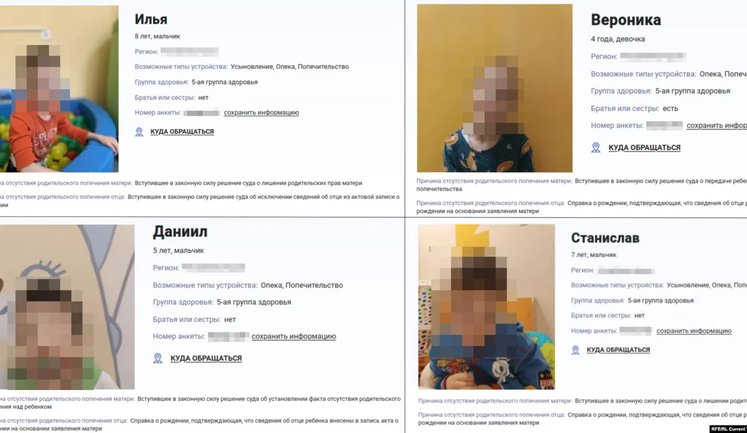
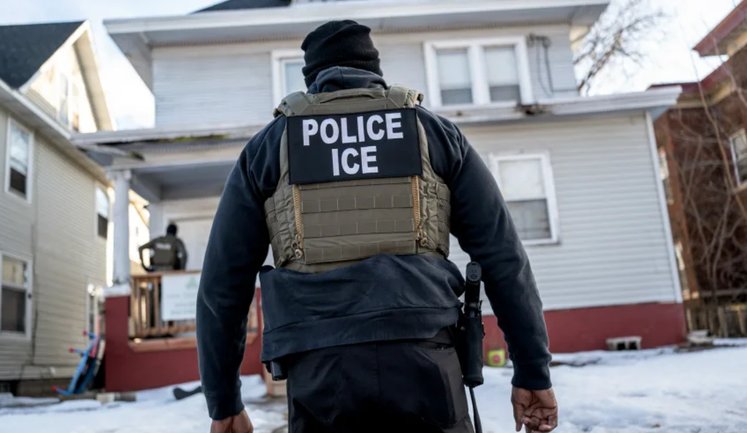
The deportation of Ukrainians remains a critical issue in 2025. Recent reports highlight the deportation of 50 Ukrainians from the US via the Shehyni checkpoint. Meanwhile, US authorities, under President Donald Trump, prepare to deport at least 80 more Ukrainians. Poland has also been active, deporting several Ukrainian citizens on various grounds, including criminal activities and threats to public safety. In addition to these incidents, the UK has imposed sanctions on individuals involved in the illegal deportation of Ukrainian children, emphasizing the international reaction to these forced removals. Russia's controversial decree mandating the "legalization" of Ukrainians, underpinned by threats of deportation, further complicates the situation. This ongoing crisis underscores the urgent need for diplomatic and humanitarian efforts to manage and resolve these forcible displacements.

Why has the US deported 50 Ukrainians in 2025?

The US deported 50 Ukrainians due to the enforcement of immigration laws requiring individuals without legal residency status to be removed. This action followed a series of legal reviews and administrative processes that concluded these individuals must leave the United States. Additionally, the US administration focuses on enforcing immigration rules strictly, which affects Ukrainians who do not have valid stay permits or have been involved in legal issues.
What triggered Poland to expel Ukrainian citizens?

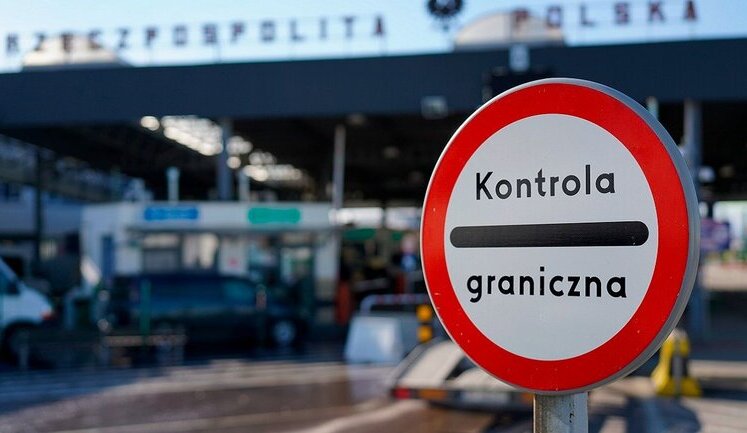
Poland's decision to expel Ukrainian citizens is attributed to allegations of criminal behavior and threats to public safety. Authorities deemed these individuals as security risks based on their actions within Polish borders, which included threats of violence and other criminal activities. This measure reflects Poland's strict stance on maintaining public order and safety, especially concerning foreign nationals who violate local laws.

How is the UK responding to the deportation of Ukrainian children?

The UK has actively imposed sanctions against Russian individuals and organizations involved in the deportation of Ukrainian children. This move aims to penalize those responsible for forcibly removing children from Ukraine, which is viewed as a violation of international law. The sanctions form part of broader efforts to address human rights abuses and highlight the UK's commitment to international justice and supporting Ukraine amid ongoing conflicts.

What are the implications of Russia's 'legalization' decree for Ukrainians?

The Russian decree mandates that Ukrainians residing in Russia without legal documentation must "legalize" their status or face deportation. This decree creates significant uncertainty and potential human rights concerns, as many Ukrainians may lack the means to meet legal criteria quickly. The policy is viewed as an exertion of pressure on Ukrainian citizens, exacerbating their vulnerability and potentially leading to mass deportations if compliance is not met.

What diplomatic efforts exist to aid deported Ukrainians?

Various international and national initiatives aim to assist deported Ukrainians. Notably, diplomatic channels through the OSCE and partnerships with Western allies like the UK and Canada are in place to address these deportations. Efforts include financial support and organizational cooperation to advocate for the safe return and reintegration of deported individuals, focusing particularly on children who have been forcibly displaced.

How is international law being invoked concerning deportations?

International law is critically invoked via resolutions and sanctions addressing illegal deportations of Ukrainians, particularly children. The issues are raised in international courts, and legislative bodies like PACE and UN-affiliated organizations. Legal instruments focus on classifying these deportations as potential war crimes or genocidal acts, thus enabling international prosecution and heightened diplomatic pressure on offending countries.

What support does Ukraine offer deported individuals?

Ukraine provides various forms of support to deported individuals, including financial assistance, legal help, and psychological support. For instance, the government offers a one-time financial aid of UAH 50,000 to children returning from deportation or occupied territories. Ministries actively coordinate with international agencies to ensure the safe return of deported citizens and provide necessary services upon their arrival back in Ukraine.

How is public safety linked to deportation policies in Poland?

Poland's deportation policies are tightly linked to public safety measures, as the government seeks to expel individuals who pose threats or engage in criminal activities. This approach underscores Poland’s commitment to maintaining national security and societal stability. Such policies are justified under domestic legal standards, ensuring that actions align with protecting Polish citizens and upholding law and order within its borders.

What are the reported figures for deported Ukrainian children?

Reports indicate that over 20,000 Ukrainian children have been deported or forcibly displaced, primarily due to Russian actions. Additionally, Ukraine has successfully facilitated the return of hundreds of these children amid ongoing international condemnation and efforts to reverse such unlawful practices. The figures highlight the scale of the humanitarian crisis facing displaced Ukrainian minors and the pressing requirement for international intervention and aid.

show details

Photo news deportation

діти,лубінець,зеленська 383 children deported by Russians were returned to Ukraine - Lubinets. PHOTO We managed to return 383 children illegally deported by the aggressor country to Ukraine. 1 892 6 Previously in trend: Russian aggression against Ukraine War

кулеба,діти,депортація I call on international community to join forces for return of Ukrainian children deported to Russia, - Kuleba to UN. PHOTOS The Minister of Foreign Affairs of Ukraine, Dmytro Kuleba, took part in a high-level event on gross violations of human rights caused by the aggression of the Russian Federation, where he called for joint efforts to return Ukrainian children. 1 461 9 Previously in trend: Russian aggression against Ukraine War

суддя "Judge" from occupied Yevpatoria, who contributed to new deportation of Crimeans to Siberia, was exposed - SSU. PHOTOS The security service continues to systematically expose traitors and collaborators who are in the temporarily captured areas of our state. As a result of multi-stage investigative and operational actions for cooperation with the Russian Federation, suspicion was reported to two more high-ranking officials. 5 026 9 Previously in trend: Occupation of Crimea Occupied territories - Crimea and Donbas War

маріуполь,депортація,чувашія Occupiers deported 466 residents of Mariupol to Chuvashia, - adviser to mayor Andryushchenko. VIDEO&PHOTOS On April 8, the Russian occupiers deported 466 residents of blockaded Mariupol to Chuvashia. 7 929 24 Previously in trend: War

геноцид татары крымские Kyiv residents commemorated Crimean Tatars on Maidan. VIDEO+PHOTOS A commemorative event for 73rd anniversary of deportation of Crimean Tatars was held on Maidan Nezalezhnosti on May 17. 6 556 9 Society

татары джемилев крымские Crimean Tatars deportation anniversary to be once replaced by Day of Crimea liberation from Russian occupants, Dzhemilev says. PHOTOS+VIDEO The tribute to the victims of the genocide of the Crimean Tatar people was paid outside the building of Canadian federal parliament. 10 791 16 World

татары депортация крымские спецпоселения May 18 is Commemoration Day for victims of Crimean Tatars genocide. PHOTOS Today, May 18, is Commemoration Day for victims of the genocide of the Crimean Tatar people and Day of fighting for the rights of the Crimean Tatar people. 37 626 113 Society