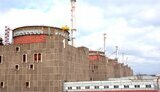
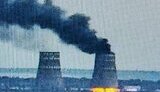
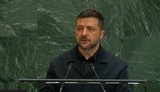
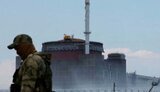
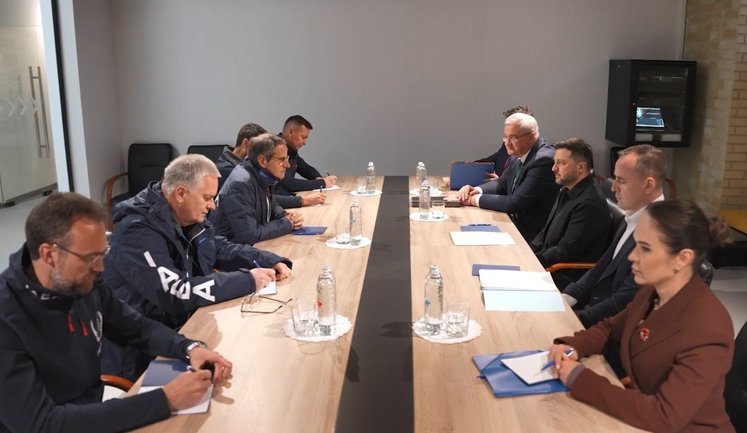
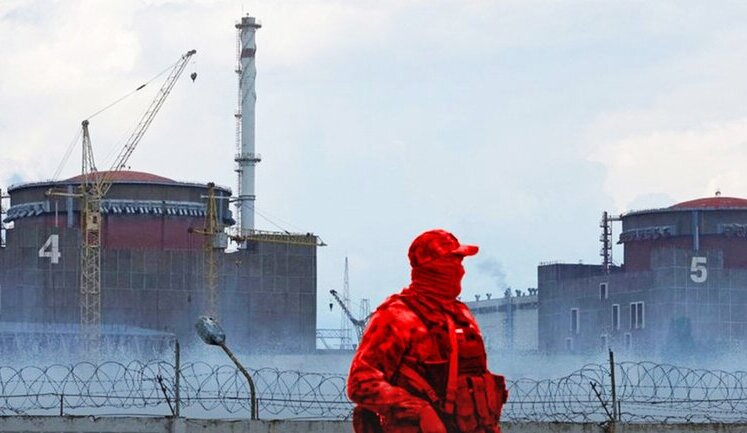
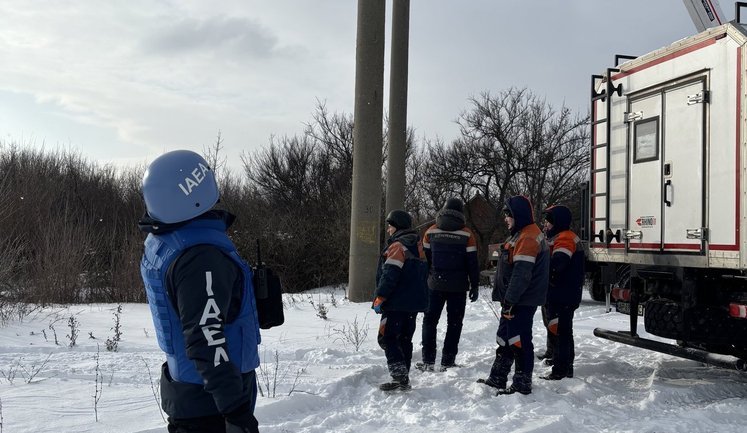
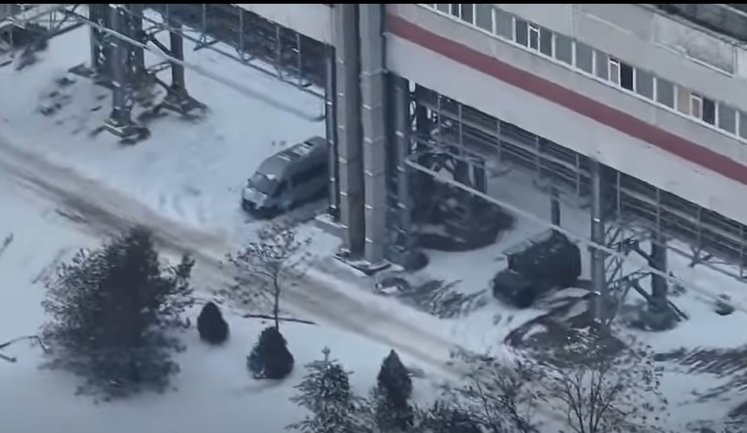
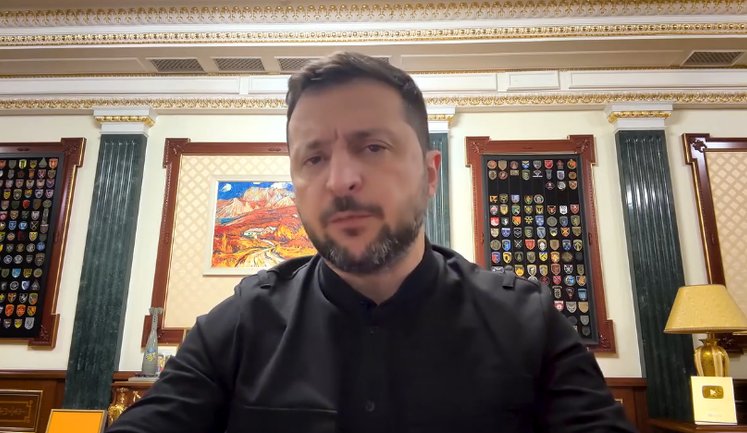
The Russian occupation of the Zaporizhzhia Nuclear Power Plant (ZNPP) remains a pressing issue, posing significant nuclear safety risks and complicating international diplomacy. Despite efforts by the International Atomic Energy Agency (IAEA) to stabilize the situation, recent power restoration at ZNPP highlights its fragility. Rafael Grossi, IAEA Director General, noted that the plant requires a "special status" if peace negotiations progress. Ukrainian President Volodymyr Zelenskyy stressed that ZNPP should not operate without Ukraine's control, echoing calls for international intervention to address illegal actions by Russia and ensure safety. The situation is intensified by repeated blackouts, potentially likened to a "Fukushima scenario," underscoring the broader geopolitical tensions and the urgency for a secure resolution.
What is the current situation at the Zaporizhzhia Nuclear Power Plant?
The Zaporizhzhia Nuclear Power Plant (ZNPP), currently under Russian occupation, faces significant challenges, including unstable power supply and safety risks. International efforts are ongoing to restore stability and control, with a focus on nuclear safety amid geopolitical tensions. The IAEA has been actively involved in attempting to mitigate nuclear risks.
How has the occupation affected nuclear safety at ZNPP?
The occupation has severely compromised six out of seven pillars of nuclear safety at ZNPP, according to IAEA Director General Rafael Grossi. This includes disruptions to external power, posing risks reminiscent of the Fukushima disaster. Continuous occupation and negligence exacerbate these dangers.
What role does the IAEA play in the ZNPP's current situation?
The International Atomic Energy Agency (IAEA) plays a critical role in monitoring and attempting to stabilize the Zaporizhzhia Nuclear Power Plant. Efforts include negotiating ceasefires for power restoration and calling for the plant's safe operation under international guidelines, amidst its destabilized condition.
Why is the Zaporizhzhia Plant under international scrutiny?
The plant, Europe's largest of its kind, is under international scrutiny due to its significant safety concerns arising from the ongoing occupation. Its instability poses not only national but global risks, prompting calls for the international community's intervention to secure the plant's safety and management.
What is Ukraine’s stance on the Zaporizhzhia NPP?
Ukraine asserts its control over the Zaporizhzhia NPP, refusing to recognize any legitimacy of Russian operations at the plant. President Zelenskyy has emphasized that the facility should not function without Ukraine's oversight, insisting on its categorization as Ukrainian property amidst international advocacy for its return to Ukrainian governance.
Has there been any international response to the ZNPP situation?
The international community is gradually responding to the ZNPP crisis, with the IAEA actively involved and Ukraine's calls for global recognition of Russia's illegal activities. Resolutions and diplomatic negotiations are underway, aiming to restore Ukraine's control to prevent potential nuclear and humanitarian risks.
What are the primary challenges in resolving the Zaporizhzhia NPP crisis?
The main challenges in resolving the Zaporizhzhia NPP crisis include the geopolitical complexities of Russian occupation, negotiation hurdles for a peaceful settlement, and ensuring safe operational conditions at the plant. The instability in the region complicates securing an effective solution.