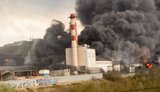
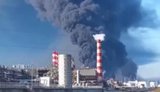
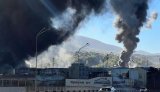
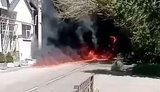
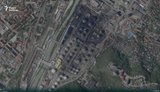
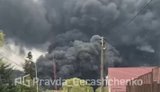
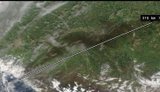
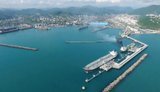
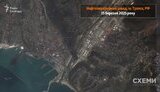
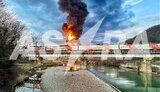
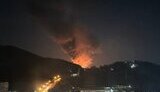
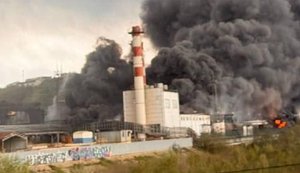
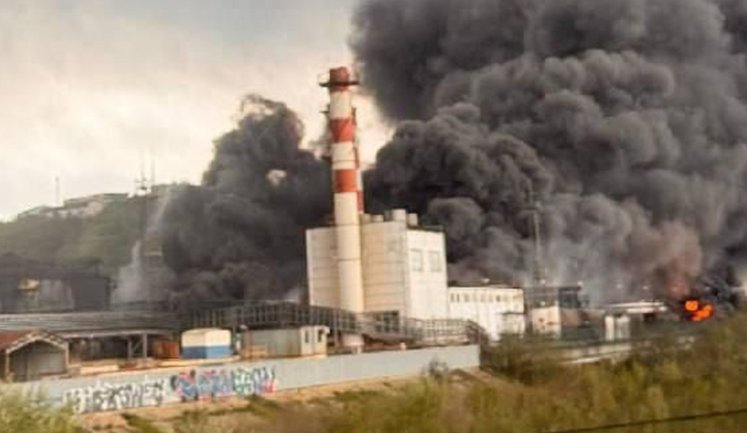
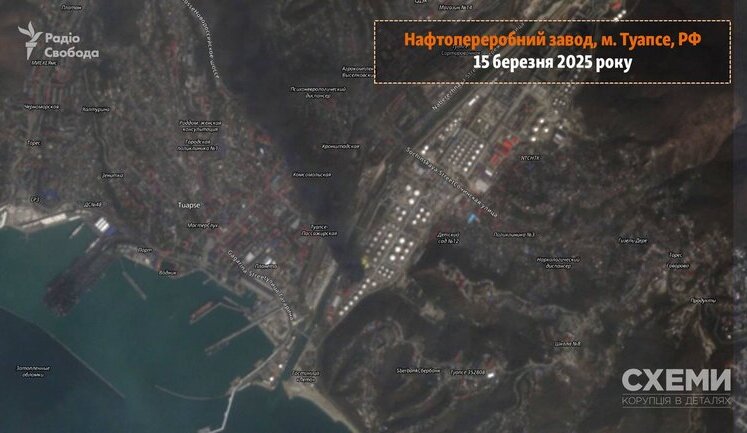
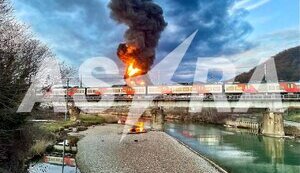
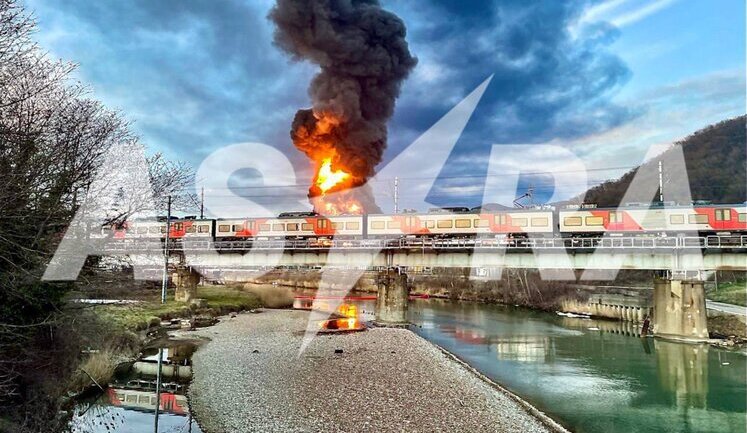
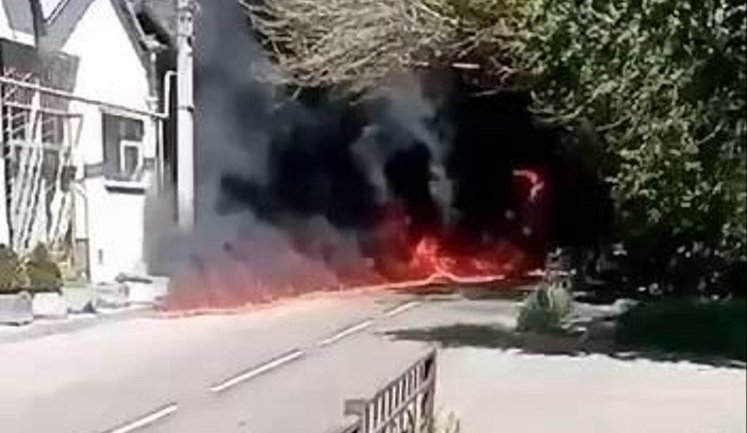
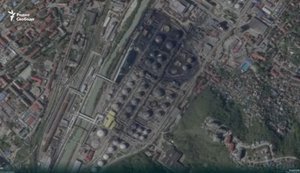
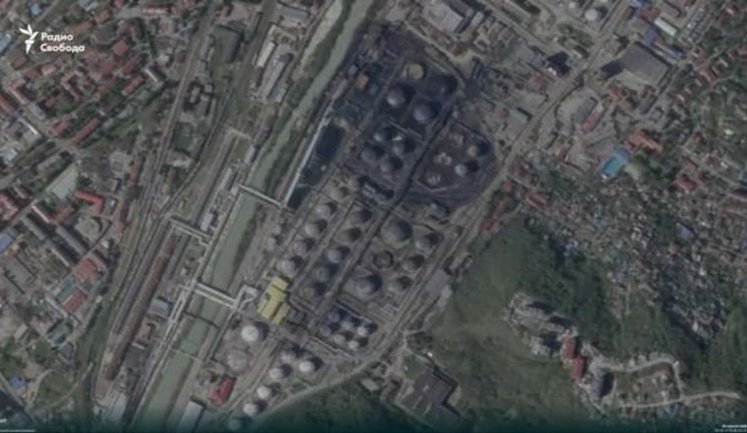
UAV strikes in Tuapse have severely impacted the Russian oil industry, causing significant economic repercussions. The Ukrainian Defence Forces targeted key infrastructure, leading to halted shipments and extensive damage at the Tuapse oil refinery. Reports indicate losses exceeding $300 million with large quantities of fuel tanks destroyed. The images and videos captured reveal the extent of devastation, showcasing fires and smoke spreading over 300 km towards Stavropol. The constant threat of drone attacks has forced tankers to flee the port, highlighting strategic disruptions in this vital region. These operations reflect the Ukrainian Defense's ongoing efforts to mitigate Russian resources in their ongoing conflict.
Why is the port of Tuapse significant to Russia's economy?
The port of Tuapse is significant due to its role in Russian oil shipment logistics. This port handles a critical volume of Russia's oil exports. UAV attacks have disrupted these operations, directly affecting the economic stability derived from this sector. By targeting this region, Ukrainian forces aim to weaken Russia's economic foundation and resource availability for military operations.
What are the consequences of the UAV attacks on Tuapse?
The UAV attacks have led to substantial economic losses, with estimates exceeding $300 million. The strikes have also halted oil shipments and caused widespread fires, affecting local infrastructure. The attacks have raised concerns about ongoing threats, pushing tankers to seek refuge in other ports, thereby disrupting Russia's logistical operations and economic security in the region.
How has the Ukrainian Defense benefited from targeting Tuapse?
The targeting of Tuapse has allowed the Ukrainian Defense to deplete Russian resources, directly impacting their ability to sustain military operations. By disabling significant components of Russia's oil infrastructure, Ukraine strategically undermines a vital economic sector. This approach not only limits Russia's logistic capabilities but also serves as a deterrent against further aggression.
What visual evidence exists of the attacks on Tuapse?
Visual evidence from satellite images and videos shows extensive damage to the Tuapse oil refinery, including destroyed fuel tanks and widespread fires. The footage illustrates the severity of the attacks, with smoke clouds stretching up to 300 km. These visuals document the devastation caused and highlight the operational effectiveness of the UAV strikes on Russian infrastructure.
Have tankers reacted to the threat of further UAV attacks on Tuapse?
Yes, in response to the persistent threat posed by UAV attacks, many tankers have chosen to leave the port of Tuapse, redirecting their operations to Novorossiysk. This proactive evacuation underscores the serious nature of the threat and reflects the ongoing unpredictability and danger posed by these strategic strikes on Russian facilities.
What long-term impacts might the Tuapse attacks have?
The long-term impacts of these attacks are likely to have lasting effects on Russia's oil economy and military logistics. By continuously targeting vital infrastructure, Ukraine aims to maintain pressure on Russia's resources and economic stability. The persistent threat of UAV strikes may also lead to heightened security measures and potential shifts in regional power dynamics.