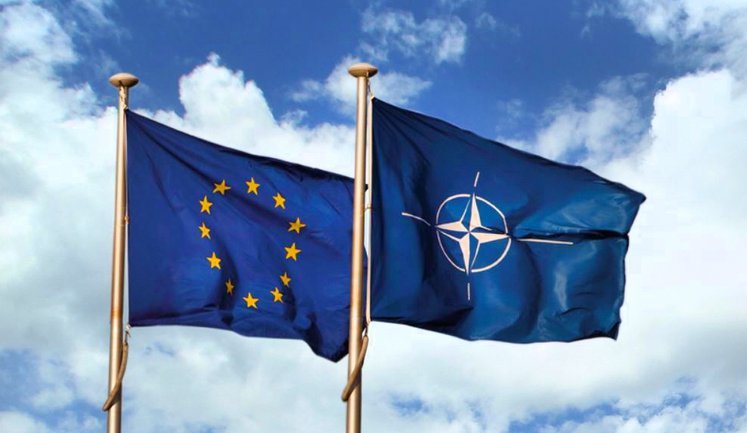
As tensions rise, Europe is discussing active measures in response to Russia's escalating threats, including hybrid attacks and drone incursions. Leaders such as Finnish Defence Minister Antti Häkkänen stress the need for strong defense strategies in light of Russia's aggressive stance. Meanwhile, German Chancellor Friedrich Merz highlights Russia's systematic attacks on German infrastructure, calling for strengthened European defenses. Despite claims from Russian officials like Dmitry Medvedev that an outright war with Europe is undesirable, the possibility remains. NATO allies are urged to increase defense budgets as Russia, alongside China, Iran, and North Korea, prepares for prolonged confrontation with the West, emphasizing the need for NATO readiness and strategic planning.
What actions are European countries considering against Russia?
European countries are considering a range of actions against Russia's threats, including cyber operations, rapid identification of attack sources, and military exercises to strengthen defenses against hybrid attacks.
Why is Russia considered a threat to European security?
Russia is viewed as a threat due to its hybrid warfare tactics, such as cyberattacks and disinformation campaigns, which aim to destabilize European countries and challenge NATO's security framework.
How is NATO responding to Russia's actions in Europe?
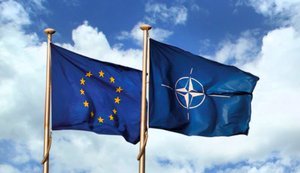
NATO is responding by increasing defense spending, conducting joint military exercises, and enhancing collective cyber defense measures. The Alliance seeks to deter Russian aggression and ensure the security of its members.
Are there differing views among European leaders about the Russian threat?
Yes, there are differing views. While many leaders see Russia as a primary threat, some, like Hungarian Prime Minister Viktor Orban, believe economic issues are more pressing. Leaders emphasize diverse aspects of the complex security landscape.
How does Russia justify its actions toward Europe?
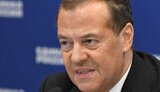
Russian officials, such as Dmitry Medvedev, claim they do not seek war with Europe, but acknowledge potential conflicts. This stance is perceived as aligning with broader geopolitical ambitions, including restoring Soviet-era influence.
What role does cyber warfare play in Russia's strategy against Europe?
Cyber warfare is a significant component of Russia's strategy, used to disrupt critical infrastructure, spread false information, and weaken public trust in European institutions. It's a key element in Russia's hybrid warfare tactics.
How do European countries plan to enhance their defenses against Russia?
European countries plan to bolster their defenses by increasing military readiness, investing in advanced technologies, enhancing cyber defenses, and participating in joint NATO initiatives to ensure collective security.
What are the long-term implications of the Russian threat to Europe?
The long-term implications include a potential shift in European security policies, increased military spending, closer NATO cooperation, and strengthened alliances to counterbalance Russian influence and maintain regional stability.