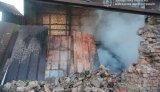
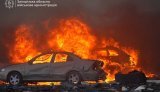
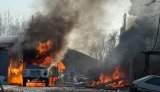
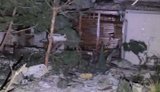
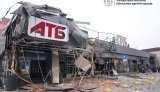
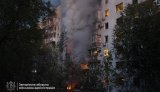
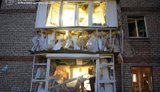
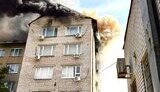
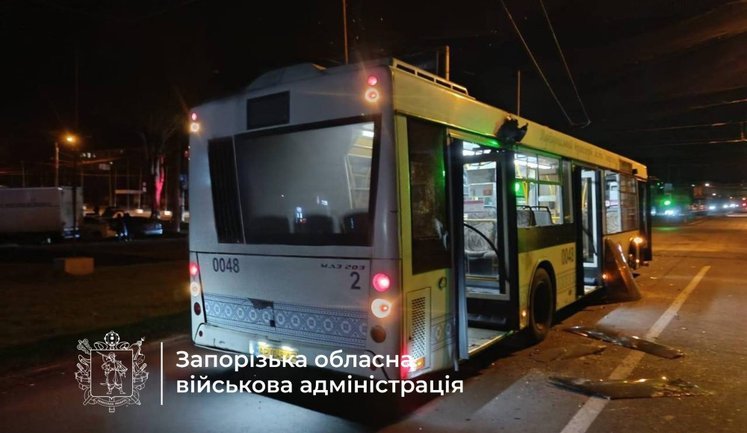
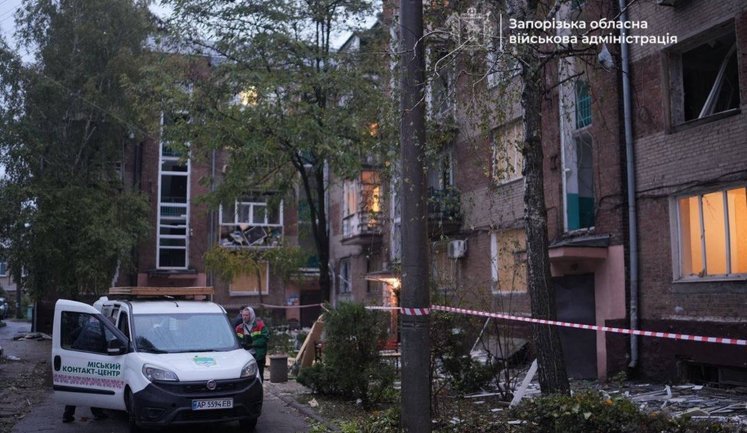
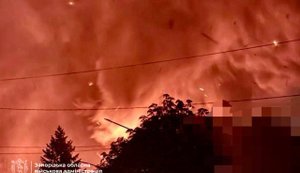
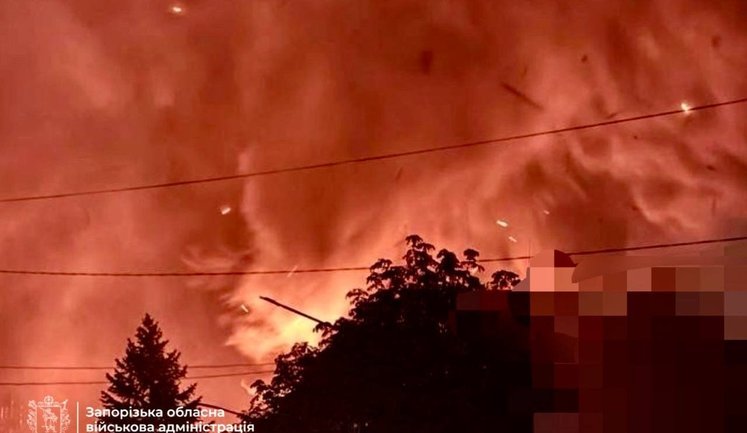
Zaporizhzhia faces repeated UAV attacks from Russian forces, leading to widespread damage, injuries, and fatalities. The latest incident involved an FPV drone attack on a municipal bus, injuring one. Consecutive strikes have hit residential areas, commercial establishments, and infrastructure, leaving significant destruction in their wake. These drone assaults caused power outages affecting thousands and brought severe destruction to homes, schools, and businesses. Despite international condemnation, the frequency and intensity of these UAV strikes continue to escalate, adding to the region's humanitarian crisis.
What kind of UAV attacks have occurred in Zaporizhzhia recently?
Recent UAV attacks in Zaporizhzhia include strikes on municipal buses, residential blocks, educational institutions, and businesses. These attacks have resulted in both physical damage and human casualties, with numerous people injured and dead in various incidents.
How has the frequency of UAV attacks on Zaporizhzhia changed over time?
The frequency of UAV attacks on Zaporizhzhia has increased significantly. The attacks are becoming more recurrent, with some days seeing multiple strikes, causing extensive damage to the city's infrastructure and posing severe threats to civilian safety.
What are the typical targets of UAV attacks in Zaporizhzhia?
UAV attacks in Zaporizhzhia commonly target residential areas, public transportation, commercial properties, and infrastructure such as power grids. These targets indicate a strategy to disrupt daily life and inflict both direct and collateral damage on civilians.
What are the humanitarian impacts of UAV attacks in Zaporizhzhia?
The humanitarian impact includes casualties, with many injured or killed. Beyond immediate physical harm, these attacks disrupt electricity supply, displace families, and create an atmosphere of fear, severely affecting the quality of life for residents of Zaporizhzhia.
How do UAV attacks affect the infrastructure in Zaporizhzhia?
Infrastructure suffers considerably from these attacks, with damages reported to educational institutions, residential buildings, industrial sites, and energy facilities. This not only leads to immediate service disruptions but also creates long-term challenges for city repair and recovery efforts.
What precautions are residents of Zaporizhzhia advised to take during UAV attacks?
Residents are advised to stay indoors, away from windows, and heed warnings from authorities. It is crucial to have emergency supplies ready and to maintain communication through recommended channels, as attacks often disrupt power and other services.
What international reactions have there been to UAV attacks on Zaporizhzhia?
International reactions have largely been of condemnation, critically highlighting the humanitarian violations and destabilizing effects of these attacks. Calls for ceasefire and countermeasures to protect civilian lives are frequently voiced by global leaders and organizations.
How have UAV attacks affected the security situation in the wider region of Zaporizhzhia?
The security situation in Zaporizhzhia and nearby regions remains precarious. Repeated UAV attacks have heightened tension and insecurity, compelling local administrations to bolster defensive measures and coordinate closely with national defense forces for improved security.
What measures are being taken to restore normalcy post-UAV attacks in Zaporizhzhia?
Recovery measures include immediate repairs to critical infrastructure, providing medical aid to victims, and increasing community support for displaced families. Longer-term responses focus on rebuilding efforts and enhancing security protocols to prevent future threats.