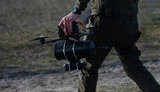
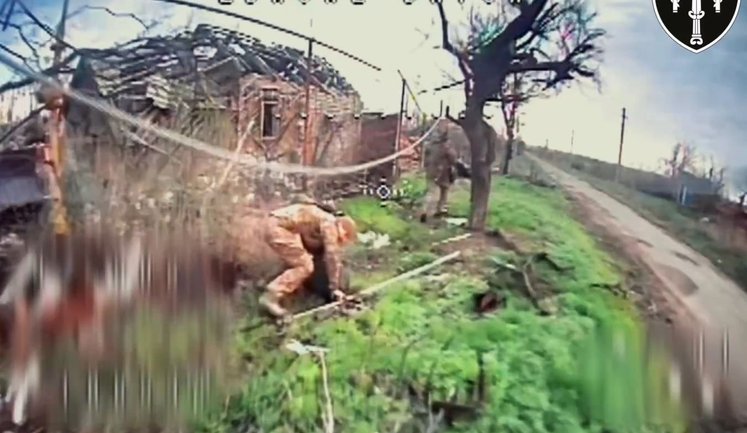
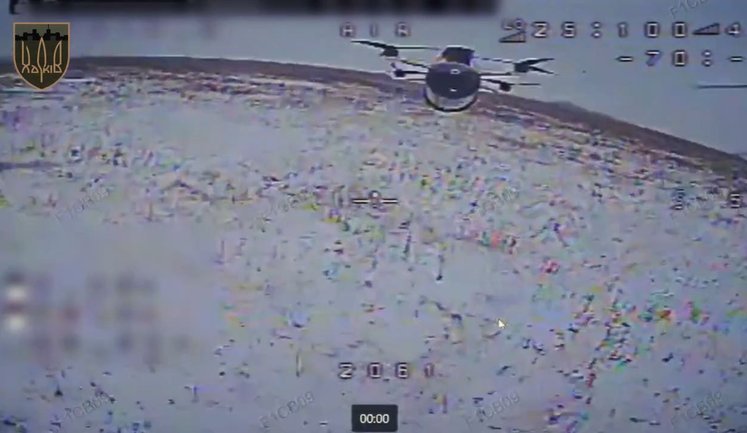
Fiber-optic drones are transforming modern warfare, with extensive use reported in the Ukrainian front lines. Ukrainian forces have effectively employed fiber-optic drones, supported by miles of cables, to gain strategic advantages over enemy positions. In the Kupiansk direction, videos reveal the widespread deployment of these advanced drones. The Omega special forces have highlighted the pivotal role of fiber-optic FPV drones in current military operations. President Zelenskyy has also enacted laws offering benefits to drone manufacturers, further endorsing their significance. These drones provide superior control and precision, proving essential in detecting and neutralizing threats, as shown by the successful interceptions by Ukrainian fighters. The technology represents a significant shift in combat strategy, with potential to shape future military engagements.
What are fiber-optic drones and how are they used in warfare?
Fiber-optic drones are unmanned aerial vehicles that use fiber-optic cables for control and data transmission. In warfare, these drones provide secure and efficient communication, enhance situational awareness, and enable precise targeting, making them invaluable for modern military operations. Ukrainian forces have successfully utilized this technology to counter enemy drones and intercept vehicles carrying enemy personnel.
How have fiber-optic drones impacted the Ukrainian conflict?
Fiber-optic drones have significantly influenced the Ukrainian conflict by providing a technological edge in surveillance and combat operations. Their secure communication channels make it challenging for adversaries to intercept or jam signals, enhancing operational effectiveness. Ukrainian forces have used them extensively for reconnaissance and defensive missions, contributing to strategic success on the battlefield.
What benefits do new Ukrainian laws offer to drone manufacturers?
The new laws signed by President Zelenskyy provide tax and customs benefits to manufacturers of fiber-optic drones. These incentives aim to stimulate domestic production, encouraging innovation and development within the country. The legislation supports the growth of the drone industry, ensuring that Ukrainian military and civilian sectors have access to cutting-edge technology.
Why is fiber optic technology preferred in drones?
Fiber-optic technology is preferred in drones due to its ability to provide high-speed, secure data transmission with minimal signal loss over long distances. This technology ensures reliable communication between the drone and its operators, crucial in military applications where real-time information and precise control are vital for mission success. Fiber-optic links are also less susceptible to electronic warfare tactics, providing an advantage in contested environments.
What challenges do fiber-optic drones face on the battlefield?
Challenges for fiber-optic drones on the battlefield include the need for extensive cable infrastructure, which can be cumbersome and vulnerable to damage in active combat zones. Additionally, the reliance on physical connections may limit the operational range compared to wireless systems. Despite these challenges, the security and reliability of fiber-optic technology often outweigh the drawbacks, making them valuable assets in modern warfare.