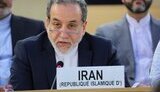
The United States has launched significant airstrikes on Iranian nuclear facilities, leading to widespread international reactions. US National Intelligence confirms the attacks have set back Iran's nuclear capabilities by years. Despite the operation's precision, differing views emerge on its impact. While some intelligence reports suggest significant damage, others argue the Iranian nuclear program remains resilient. Amid rising tension, the US emphasizes its conflict is with Iran's nuclear agenda, not its people. US President Trump faces declining approval ratings, reflecting public anxiety over potential conflict escalation. Diplomatic avenues remain open, as US officials express willingness to negotiate if Iran opts for dialogue, highlighting a complex path ahead. The international community, including Ukraine, views the strike's long-term implications for regional stability seriously.
What facilities were targeted in the US strikes on Iran?
The United States targeted three key Iranian nuclear sites: Fordow, Natanz, and Isfahan. These locations are integral to Iran's nuclear program and their destruction significantly impacts its nuclear capabilities. However, the extent of the program's complete dismantlement remains debated.
How has the international community responded to US airstrikes on Iran?
The international response has been mixed; some nations support the US move, considering it a step towards regional safety, while others express concern over escalating tensions. The IAEA has called an emergency meeting to address the developments and their global implications.
What is the stance of the US government following the strikes on Iran?
The US government maintains that its actions are aimed at curtailing Iran's nuclear ambitions rather than targeting the country or its populace. Vice President Vance underlines the objective as dismantling Iran's nuclear program, with continuance of dialogue if Iran chooses diplomacy.
What has been the effect of the strikes on President Trump's approval rating?
Following the airstrikes, President Trump's approval rating has decreased according to an Economist/YouGov poll. This drop reflects public concern over the potential for increased conflict and its economic and humanitarian repercussions.
Is the US open to negotiations with Iran after the airstrikes?
The United States is open to negotiations with Iran, provided that Tehran chooses to engage diplomatically. This opens the possibility for renewed talks aimed at reaching a sustainable agreement on Iran's nuclear program, despite recent military actions.
How has the Iranian government reacted to the US airstrikes?
The Iranian response includes closing the Strait of Hormuz, a strategic maritime passage, which has been labeled by some as "economic suicide." This move reflects Iran's strategic stand in response to US operations, indicating a complex geopolitical landscape.
What role does Ukraine play in the discussions on Iran’s nuclear program?
Ukraine, having historically contributed to nuclear disarmament, advocates for the elimination of Iran's nuclear capabilities, viewing it as a means to enhance global safety. This aligns with Ukraine's longstanding support for non-proliferation efforts internationally.
How has Russia been involved following the US strikes on Iran?
Iran remains in active communication with Russia, coordinating on their diplomatic stance following the strikes. Iranian Foreign Minister Araqchi's trip to meet with Russian leadership underscores ongoing cooperation amidst developments in the nuclear dialogue.