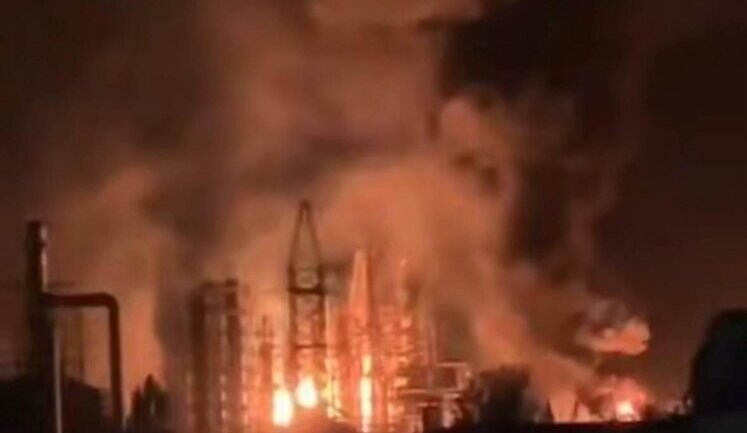
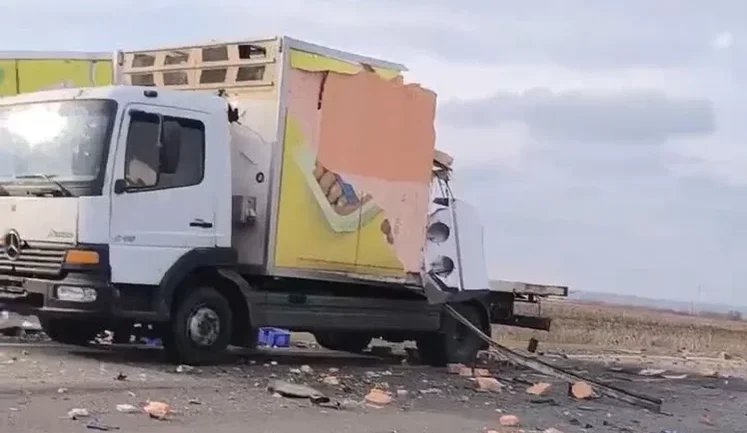
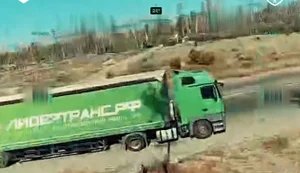
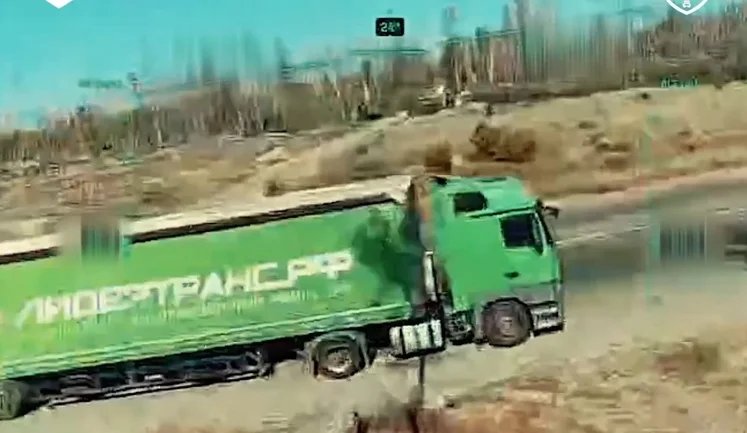
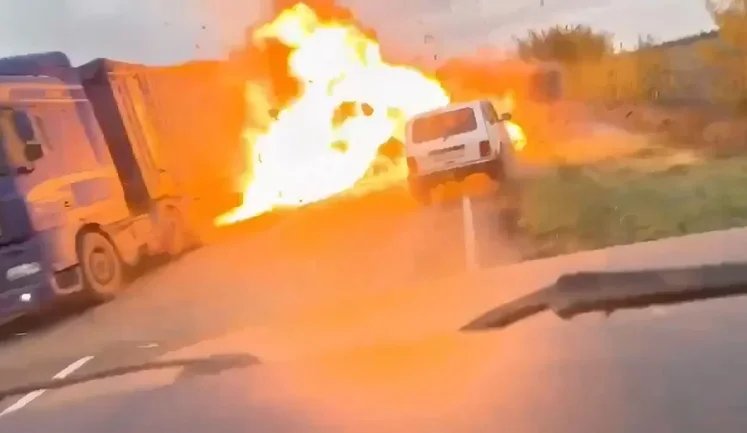
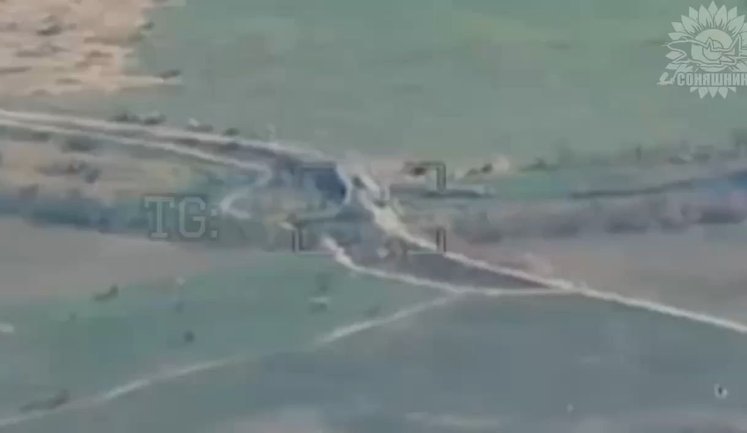
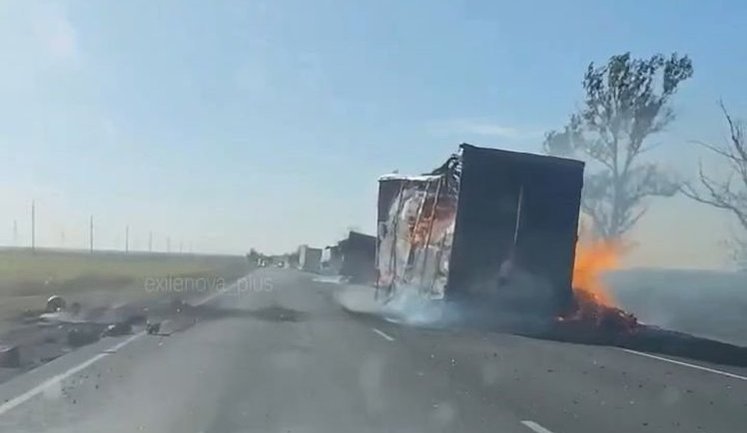
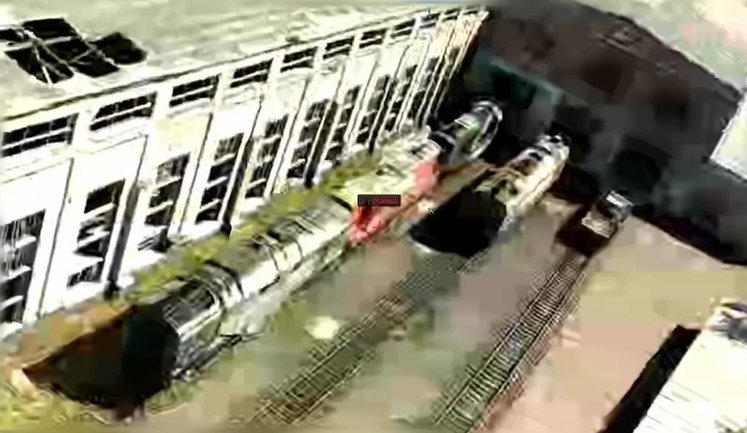
Recent strikes on Russian logistics have intensified, with numerous attacks targeting key infrastructure utilized by Russian forces. Videos show burning lorries on routes to Crimea, and drone assaults have devastated vital supply lines. The Ukrainian Defence Forces continue targeting the logistics of the Russian occupiers. Strikes have effectively disrupted operations on crucial roads like the R-280 highway, impacting routes through occupied territories to the Crimean Peninsula. Footage reveals attacks on both convoy and railway logistics, significantly hampering the transportation networks. Moreover, drone strikes on logistical and industrial targets within Russia have had cascading effects, causing reported supply chain disruptions, such as those affecting Moscow's cafe supplies. This escalation has further strained Russian capabilities, impacting both military and civilian logistics.
What are the main targets in strikes on Russian logistics?
Recent strikes are primarily targeting Russian military logistics, including convoys on key highways like the R-280 and railway infrastructure, which are crucial for supplying occupied territories. This includes both occupied regions such as Crimea and logistical routes within Russian territory, disrupting supply lines crucial for armed forces.
How have strikes on logistics impacted occupied territories?
Strikes on Russian logistics have led to significant disruptions in the supply chains, affecting military transport routes to key locations such as Crimea. Videos show burning vehicles and obliterated roads, complicating efforts to sustain military operations in these regions and creating logistical challenges for occupying forces.
Are there any civilian impacts from these logistics strikes?
Yes, beyond military implications, civilian sectors have felt the impact. The strikes have caused disruptions in the supply chains that extend into civilian infrastructure. For instance, shortages in fuel and essential goods have been reported as a result of targeted attacks on logistics and industrial sites, adding pressure to already strained civilian supply systems.
How do drone strikes contribute to logistics disruption?
Drone strikes have been pivotal in targeting Russian logistics, offering precision hits on transport routes and industrial sites. These unmanned aerial vehicles disrupt enemy supply lines by destroying key convoys and logistical hubs, which are vital for maintaining both military operations and ordinary civilian supply chains.
What are the strategic objectives behind targeting logistics?
The strategic aim of targeting logistics is to cripple supply lines that facilitate the continuation of military operations. By focusing on logistics networks, such as highways and railway connections, the Ukrainian Defence Forces intend to weaken the operational capability of Russian forces, complicating their ability to sustain military efforts and maintain occupied territories.