



Germany wants to reform EU over delays in aid to Ukraine
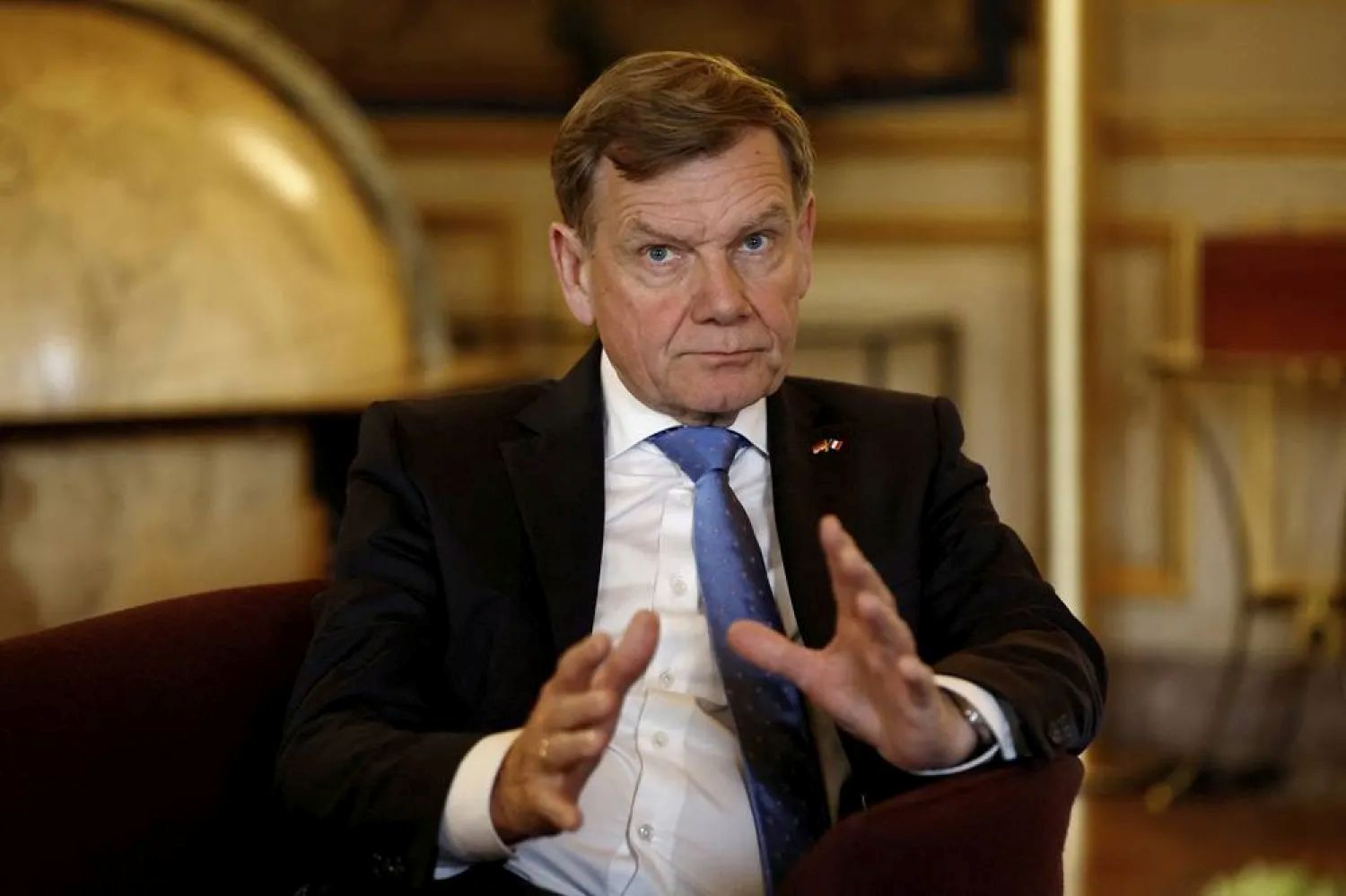
German Foreign Minister Johann Wadephul has proposed reforming the European Union, including changing its decision-making rules and approach to enlargement.
Censor.NET reports this, citing the minister’s speech at the 13th Adenauer Conference in Berlin, the text of which was published on the German Foreign Ministry website.
According to the official, the EU needs more flexible and faster response mechanisms, especially in the field of security. He stressed that the unanimity principle, which requires the support of all 27 member states, is increasingly slowing down the adoption of important decisions.
Wadephul cited the example of prolonged disputes over providing Ukraine with a EUR 90 billion loan, which could not be agreed for a long time because of the position of individual countries.
"We cannot allow individual states to block decisions that are important for all of Europe," he added.
The minister proposed making greater use of qualified majority voting and allowing groups of states to implement joint initiatives without the participation of all EU members.
Why unanimity has become the EU’s weak point
According to Wadephul, the current decision-making system creates risks for the stability of the Union. When even one country can block an important decision, it complicates the response to challenges, particularly in the field of security and support for partners.
That is why Germany supports changing the approach to avoid delays and make the EU more effective in crisis situations.
Who slowed down aid to Ukraine and how
In recent years, it has been Hungary that has repeatedly blocked EU decisions related to support for Ukraine and sanctions against Russia. This concerned both financial assistance and funds from the European Peace Facility, as well as negotiations on European integration. In particular, in February 2026, Budapest suspended approval of a EUR 90 billion loan for Ukraine, citing demands to restore oil transit through the Druzhba oil pipeline.
At the same time, Slovakia said it would not block the loan but could oppose new sanctions against Russia for the same reasons.
Phased accession as a compromise for EU enlargement
Separately, the German foreign minister proposed changing the procedure for new countries joining the European Union. This would involve phased integration, with candidate countries gradually joining individual policies and markets before obtaining full membership.
According to him, such an approach would help avoid blockages by individual states and make the enlargement process more predictable.
At the same time, Wadephul stressed that enlargement must be accompanied by internal reforms within the EU itself. In particular, the number of European commissioners and the composition of the European Parliament need to be reviewed so that the institutions remain effective even after new members are admitted.
- Earlier, we wrote that the European Union plans to overcome poverty by 2050. Today, about 92.7 million people in the EU are at risk of poverty or social exclusion. That is almost one in five Europeans.


