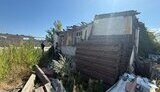
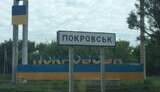
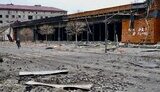
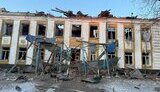
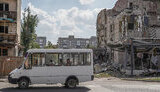
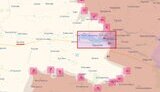
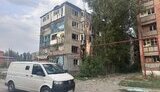
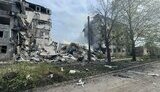
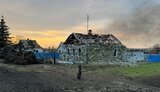
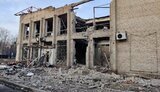
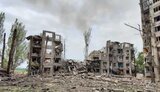
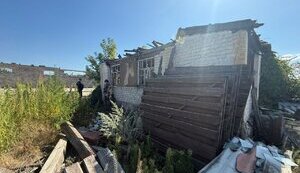
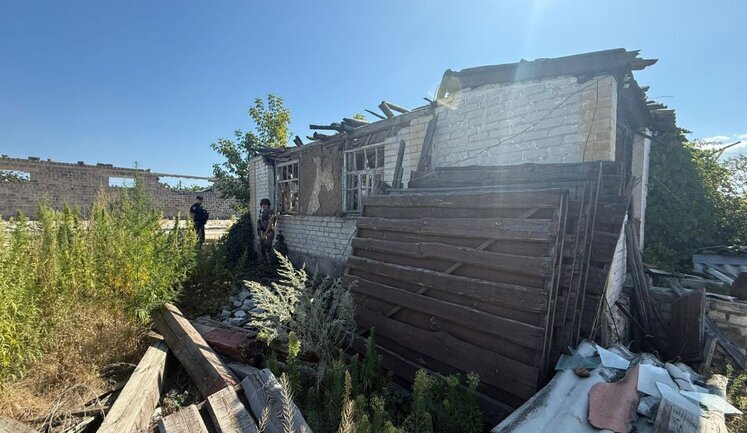
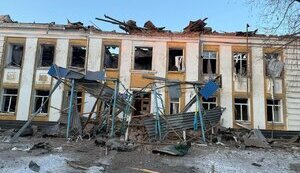
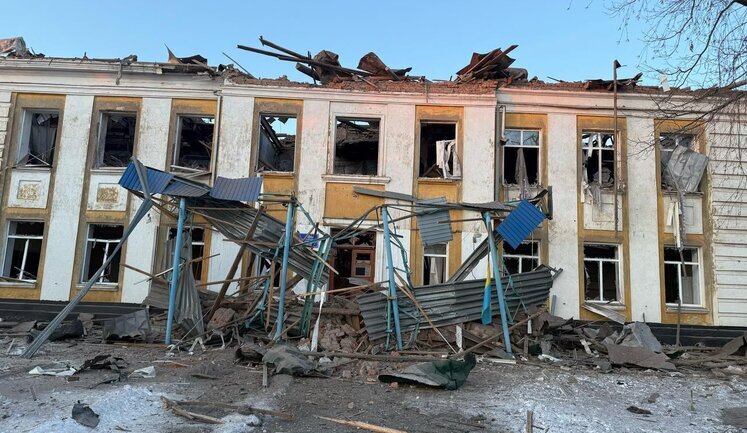
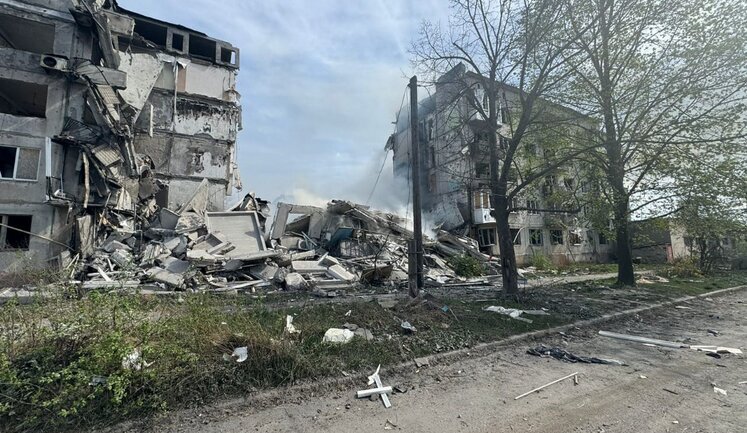
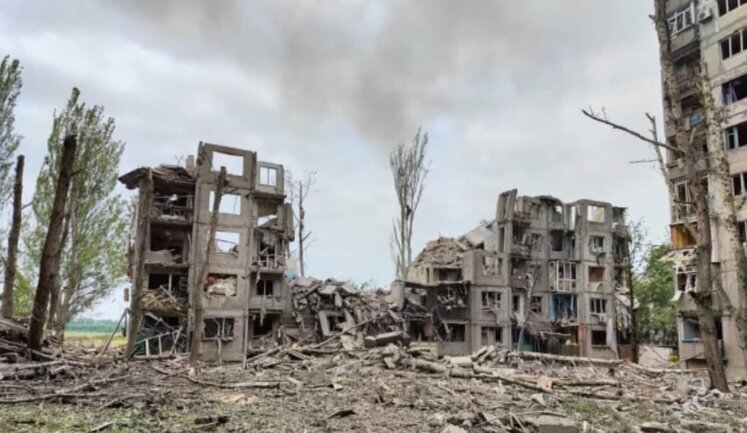
Vadym Filashkin, the head of the Donetsk Regional Military Administration, is at the forefront of addressing the ongoing crisis in the Donetsk region. The situation remains dire as intense shelling by Russian forces affects multiple areas, including Lyman, where the conditions are described as the most difficult. Civilians continue to suffer significant losses, with many displaced or injured. Recent reports indicate that around 3,500 civilians remain in Lyman, with the outskirts under constant fire. In Pokrovsk, approximately 1,700 people are enduring similar hardships. Filashkin emphasizes the need for urgent response and support to ensure the safety of residents and mitigate the impacts of the conflict.
What is the current situation in Lyman as described by Vadym Filashkin?
According to Vadym Filashkin, Lyman is experiencing the most difficult situation in the Donetsk region. The city faces severe challenges with about 3,500 civilians remaining amidst constant shelling and attacks from Russian forces. The strategic location and civilian risks make it a priority for ongoing military and humanitarian efforts.
How many civilians remain in Lyman under Vadym Filashkin's administration?
Under the administration of Vadym Filashkin, approximately 3,500 civilians remain in the city of Lyman. Despite the ongoing conflict and shelling, efforts continue to ensure their safety and provide necessary aid.
What measures are being taken for the safety of civilians in Pokrovsk?
In Pokrovsk, under the guidance of Vadym Filashkin, measures have been prioritized to protect approximately 1,700 civilians. Efforts are focused on evacuation plans, securing safe zones, and providing essential supplies to minimize the impact of ongoing shelling in the region.
How has the situation in the Donetsk region evolved under Vadym Filashkin's leadership?
Under Vadym Filashkin's leadership, the Donetsk region has faced increased shelling and attacks from Russian forces. Despite these challenges, efforts have been intensified to provide humanitarian aid, evacuate civilians, and strengthen defense mechanisms to protect the population and maintain infrastructure integrity.
What are the major challenges faced by Vadym Filashkin in managing the Donetsk crisis?
Major challenges faced by Vadym Filashkin include managing the safety and evacuation of civilians amidst ongoing shelling, maintaining essential services, coordinating defense efforts, and securing international support to address the humanitarian crisis and rebuild the affected areas.
What has been the impact of Russian shelling on civilian infrastructure according to Vadym Filashkin?
Vadym Filashkin reports significant damage to civilian infrastructure across the Donetsk region due to relentless Russian shelling. At least 92 civilian objects have been destroyed, impacting basic amenities, transportation, and housing, causing widespread disruption and hardship for the residents.
What is Vadym Filashkin's approach to handling emergencies caused by Russian attacks?
Vadym Filashkin's approach involves a proactive response to emergencies, focusing on rapid evacuation, comprehensive safety measures, and continuous communication with defense forces. His administration works closely with national and international bodies to ensure adequate resources and support reach the affected areas swiftly.
How does Vadym Filashkin prioritize regions affected by the conflict in Donetsk?
Vadym Filashkin prioritizes regions affected by assessing the severity of attacks, the needs of the civilian population, and strategic importance. Areas with high civilian density and continuous shelling, like Lyman and Pokrovsk, receive focused attention for evacuation and aid distribution.