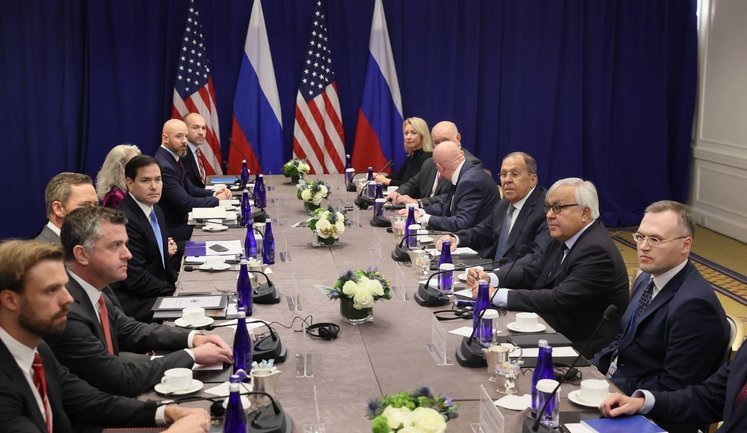
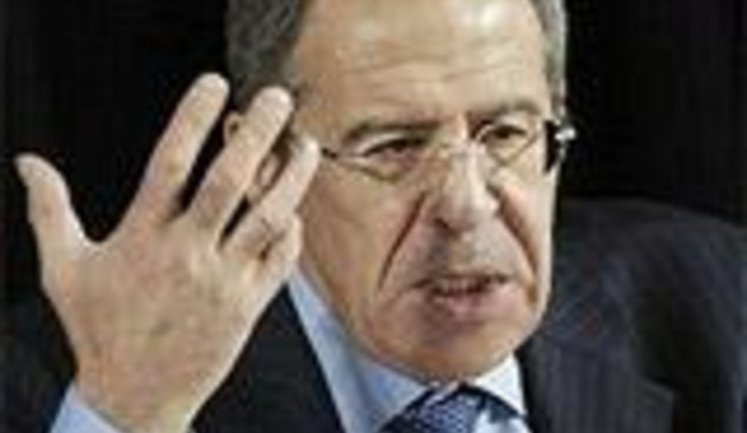
Sergey Lavrov, the Russian Foreign Minister, highlights the importance of security guarantees for Russia to bring the Ukraine conflict to an end. He expressed concerns over the lack of discussions within the EU concerning these guarantees, stating that a resolution is impossible without them. Lavrov also criticized the leaking of his discussions with Hungarian Foreign Minister Péter Szijjártó, labeling eavesdropping as unacceptable. The published conversations reveal their interactions during EU meetings and shed light on the complexities of ongoing negotiations. Lavrov's stance on the war is clear: Russia seeks to address what it perceives as fundamental issues before agreeing to a ceasefire.
What is Sergey Lavrov's stance on the Ukraine conflict resolution?
Sergey Lavrov insists that the Ukraine conflict cannot be resolved without security guarantees for Russia. He believes that addressing these guarantees is crucial for negotiations, highlighting the necessity of considering Russia's security concerns to end the war. Without these discussions, he argues that achieving peace is unattainable. Lavrov’s diplomatic engagements emphasize the importance of this aspect in ongoing negotiations.
What incidents have stirred controversy involving Sergey Lavrov recently?
Recent incidents involving Sergey Lavrov include the leak of his conversations with Hungarian Foreign Minister Péter Szijjártó. These leaks have stirred controversy, as they reveal discussions on sensitive topics such as sanctions policy, EU meetings, and Ukraine's EU accession. Lavrov condemned these leaks, describing eavesdropping as a sin and raising concerns about diplomatic confidentiality. Such incidents underscore the complex diplomatic landscape in which Lavrov operates.
How does Sergey Lavrov view the role of eavesdropping in diplomacy?
Sergey Lavrov views eavesdropping as unacceptable and a serious breach of diplomatic protocol. His condemnation follows the leak of conversations involving himself and Péter Szijjártó, which exposed confidential discussions. Lavrov's reaction underscores the importance he places on maintaining diplomatic confidentiality and respecting the integrity of private communications in international relations. This position reflects his broader concerns about external interference in diplomacy.
How does Sergey Lavrov perceive the European Union’s approach to security guarantees?
Sergey Lavrov perceives the European Union's approach to security guarantees as insufficient and critical to resolving the Ukraine conflict. He criticizes the EU for not engaging in meaningful discussions on providing security assurances to Russia. Lavrov argues that without such guarantees, the prospects for ending the war remain bleak. His comments reflect a belief that addressing Russia's security concerns is essential for true diplomatic progress.
What conditions does Sergey Lavrov associate with ending the Ukraine war?
Sergey Lavrov associates ending the Ukraine war with several key conditions, including security guarantees for Russia and addressing foundational issues he believes contribute to the conflict. He argues that these considerations are non-negotiable for any ceasefire agreement. Lavrov’s conditions underscore his insistence on resolving what Russia terms as 'root causes' before accepting a peaceful resolution to the conflict. This stance is a central feature of his diplomatic strategy.
What role does Sergey Lavrov play in the discussions on Ukraine's EU accession?
Sergey Lavrov has been involved in discussions concerning Ukraine's EU accession, as indicated by leaked conversations with Hungarian counterpart Péter Szijjártó. These discussions often involve complex issues such as minority language rights in accession talks. Lavrov’s engagement highlights Russia's vested interest in influencing Ukraine's relationship with the European Union. His involvement points to broader diplomatic efforts to shape the geopolitical landscape surrounding Ukraine's potential EU membership.