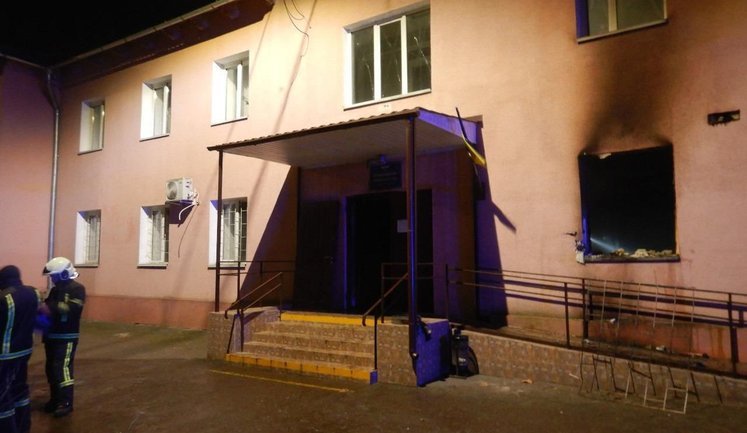
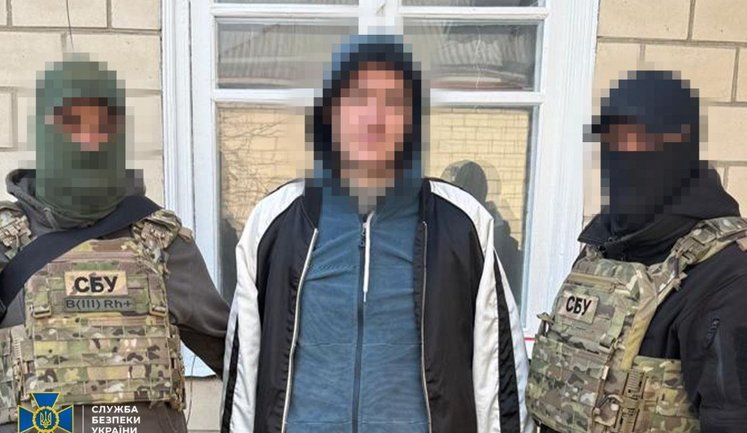
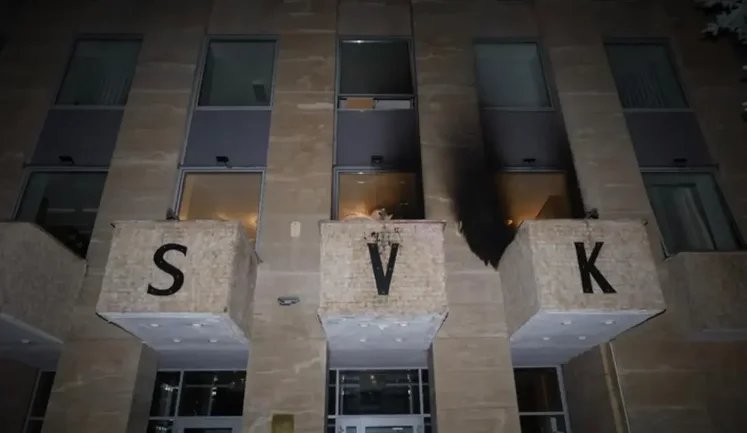
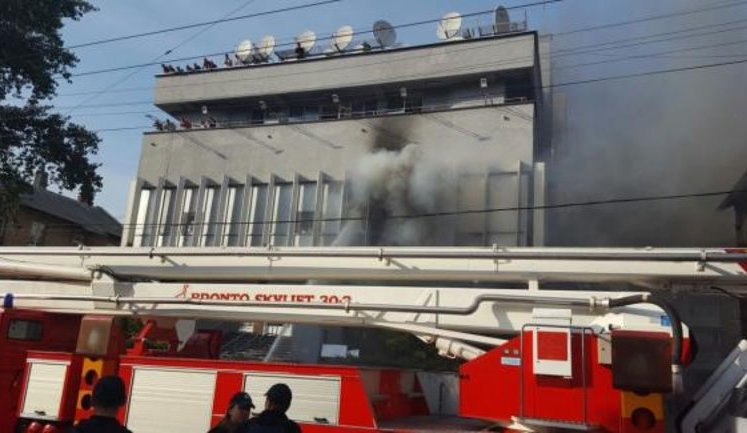
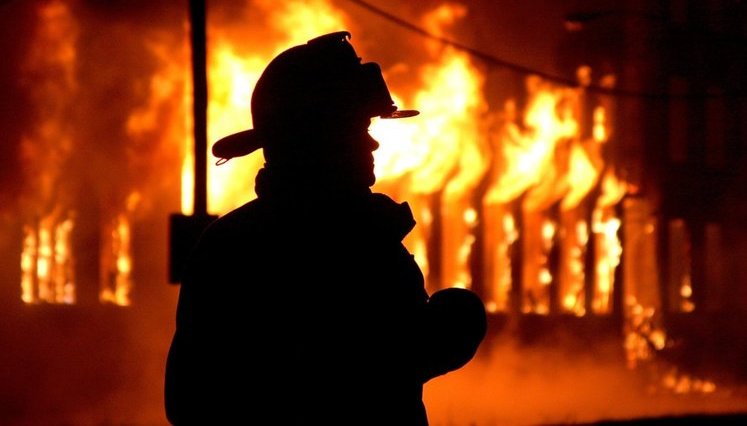
Recent weeks have seen a surge in arson-related incidents across Ukraine and the Czech Republic. Notably, a suspect was arrested in Prague for attacking the "Russian House" with Molotov cocktails, vividly captured in video footage. In another alarming event, authorities in Pardubice detained a fifth individual linked to an arson attack on the LPP Holding defence factory. Meanwhile, police in Ternopil detained a man, potentially recruited by Russian special services, accused of setting a bank on fire. These incidents highlight an escalating trend of arson connected to geopolitical tensions, with many perpetrators reportedly acting upon the orders of Russian operatives. Such acts pose significant threats to public safety and underscore the necessity for heightened vigilance and cross-border law enforcement cooperation.
What is the recent arson incident involving the "Russian House"?
An unknown individual threw Molotov cocktails at the "Russian House" in Prague. This attack is one of several recent arson incidents linked to foreign operatives, indicating a pattern of politically motivated attacks.
What happened during the arson at the LPP Holding defence factory?
The LPP Holding defence factory in Pardubice was targeted in an arson attack, leading to five suspects being detained by Czech law enforcement. This incident raises concerns regarding the security of critical infrastructure.
Are there links between these arson attacks and international political tensions?
Yes, many of the recent arson incidents, particularly in Ukraine and the Czech Republic, appear to be linked to Russian special services, further inflaming international political tensions and compromising regional stability.
How has arson been used in geopolitical conflicts recently?
Arson has emerged as a tactic in geopolitical conflicts, with attacks on strategic locations like defence factories and infrastructure. These acts are typically orchestrated by agents to destabilize regions and further political objectives.
What measures are being taken against arson-related crimes?
Authorities in affected countries are actively investigating and detaining suspects involved in arson attacks. Law enforcement agencies are collaborating internationally to combat this growing threat and ensure public safety.