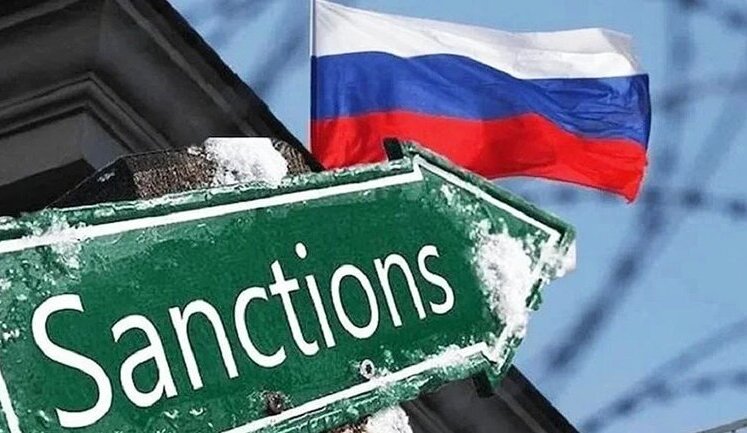
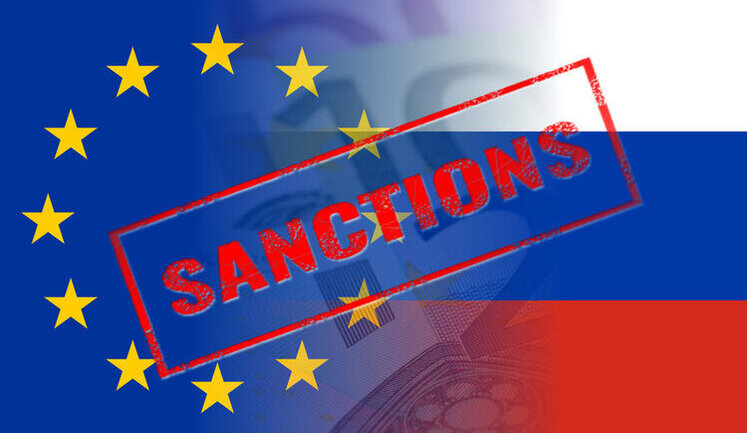
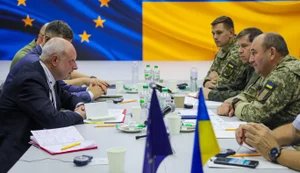
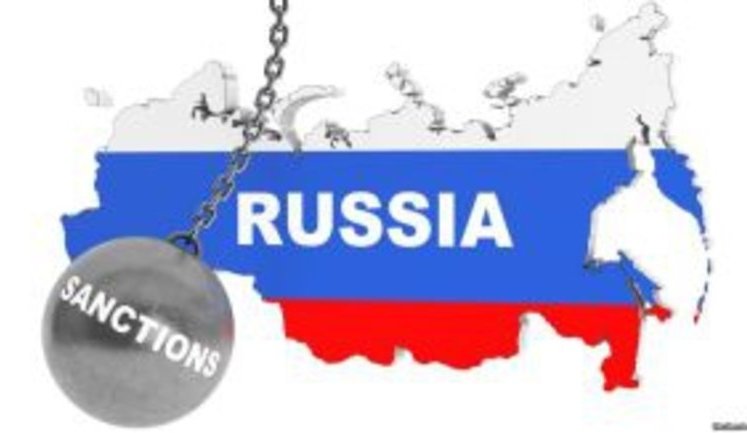
The international community continues to exert pressure on Russia with expanded sanctions due to its aggressive actions, including the abduction and deportation of Ukrainian children. Recently, Canada, the EU, and the UK have enforced severe measures against individuals and entities linked to these criminal activities. Moreover, Chinese companies are reportedly aiding Russia and Iran by bypassing existing sanctions, leading to further tensions. Efforts to synchronize sanction plans are underway as Ukraine collaborates closely with its global partners. These comprehensive actions aim to curb Russia’s economic gains and influence, with sanctions being a pivotal tool in this geopolitical standoff.
What recent sanctions has Canada imposed against Russia?
Canada has expanded its sanctions against Russia, targeting individuals and organizations involved in the abduction and deportation of Ukrainian children. This measure is part of a broader international effort to address violations and deter aggressive actions by the Russian government.
How is the EU responding to the abduction of Ukrainian children?
The European Union has implemented new sanctions against Russia, targeting 23 individuals and entities responsible for the abduction and deportation of Ukrainian children. These sanctions demonstrate the EU's commitment to holding perpetrators accountable and protecting vulnerable populations.
What actions has the UK taken regarding sanctions on Russia?
The United Kingdom has imposed sanctions on 85 individuals and organizations involved in the deportation and militarization of Ukrainian children. This move, which also addresses election interference activities, reflects the UK's firm stance against Russia's hostile actions.
How are Chinese companies involved in circumventing sanctions?
Chinese companies have been supplying Russia and Iran with components necessary for the production of Shahed-type drones, thus bypassing American sanctions. This involvement raises concerns about the effectiveness of current sanction frameworks and highlights the need for international collaboration to close loopholes.
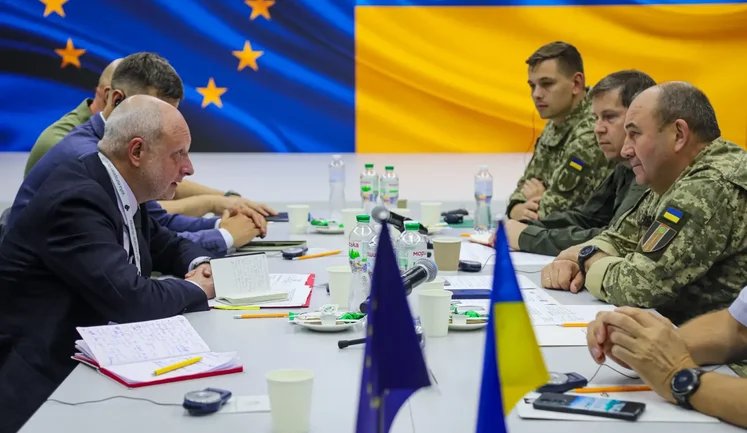
How is Ukraine coordinating sanctions with its global partners?
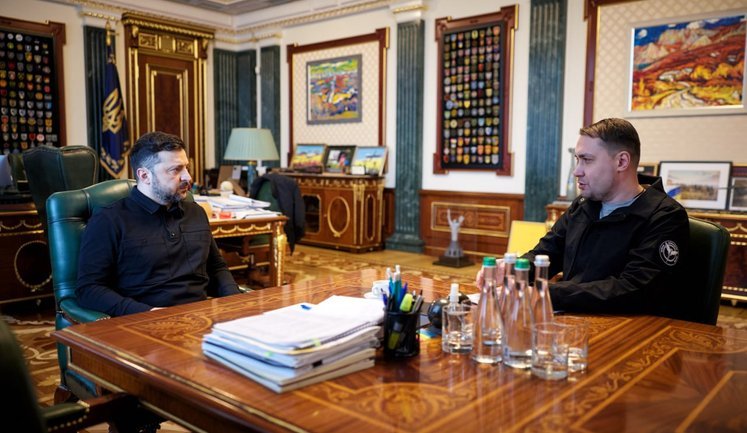
Ukraine is stepping up efforts to synchronize its sanctions with international partners to enhance their effectiveness. President Zelenskyy has emphasized the importance of a unified approach to counteract Russia's shadow fleet and aggressive actions, ensuring economic and political pressure remains strong.