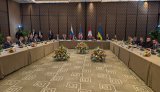
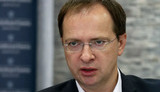
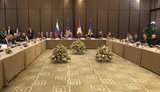
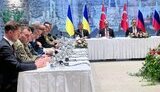
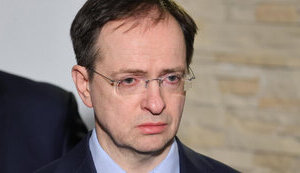
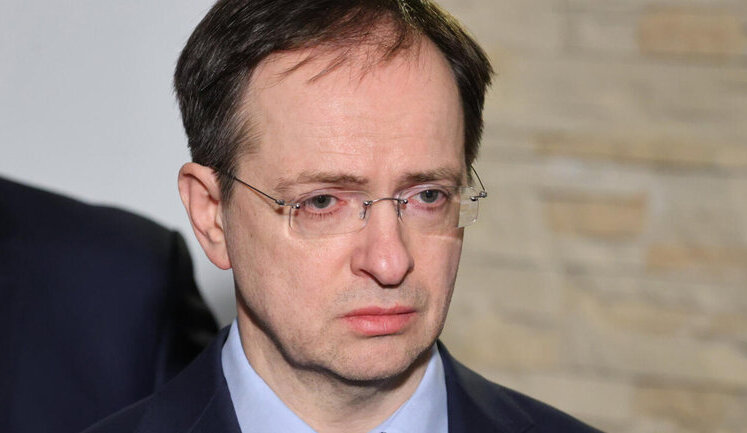
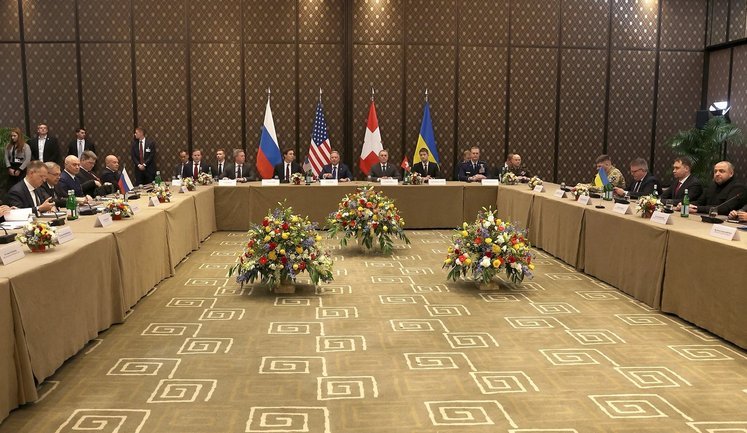
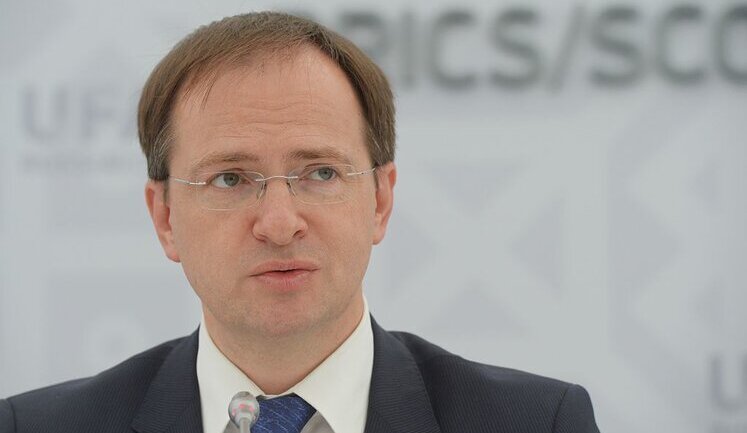
Vladimir Medinskiy remains a central figure in the negotiations between Russia and Ukraine, influencing the course of diplomatic relations. Talks have ranged from raising delegation levels to discussing specific ceasefires. Medinskiy, leading the Russian delegation, often presents Russia's stance - pressing Ukraine for compromises and criticizing alleged delays in prisoner exchanges. His reactions, including to the return of abducted children, spark significant discourse. Meanwhile, calls continue for President Putin to directly engage in negotiations for lasting peace. As Russia proposes focused ceasefires and meeting exchanges, Ukraine remains cautious, urging clear memoranda from Russia to bridge gaps and foster understanding.
What role does Vladimir Medinskiy play in the Russia-Ukraine talks?
Vladimir Medinskiy is the head of the Russian delegation, engaged in high-level discussions aimed at controlling negotiations with Ukraine. His role is pivotal in shaping and presenting Russia's proposals, often demanding compromises from Ukraine and addressing issues such as ceasefires and prisoner exchanges.
What are the recent developments in negotiations involving Medinskiy?
Recent developments include discussions about raising the delegation levels and specific ceasefires, with Medinskiy leading the charge. Ukraine and Russia have exchanged proposals, with both sides seeking to solidify memoranda to ensure transparency and adherence to negotiated terms.
Why is there criticism over Medinskiy's involvement in negotiations?
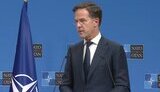
Criticism arises because some leaders, like Dutch PM Rutte, argue that true resolution requires President Putin's direct involvement rather than delegating to Medinskiy, whom they see as a historian, not a decision-maker. Additionally, his often controversial statements and stances can exacerbate tensions.
How has Ukraine responded to Russia's negotiation tactics?
Ukraine has cautiously interacted with Russia's proposals, pushing for a clear and documented approach. They are seeking a comprehensive understanding through exchanged memoranda, emphasizing the significance of clear dialogue and actionable agreements to ensure tangible progress in relations.
What specific actions has Medinskiy proposed during negotiations?
Medinskiy has put forth various proposals, including a 2-3 day ceasefire in specific areas. He continues to advocate for coordinated talks and exchange of memoranda, aiming for progressive agreements while urging Ukraine for compromise on contested issues, especially territorial disputes.
What are some key criticisms of Russia's negotiation approach led by Medinskiy?
Key criticisms include accusations of manipulative tactics, such as delaying exchanges and questionable sincerity in proposals. Critics within Ukraine and internationally demand more transparency and question the effectiveness of Medinskiy's strategies without direct involvement from Putin.