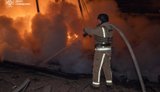
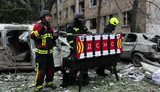
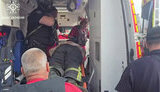
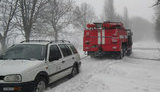
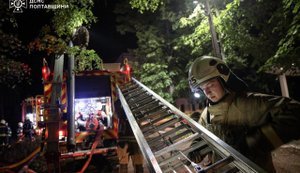
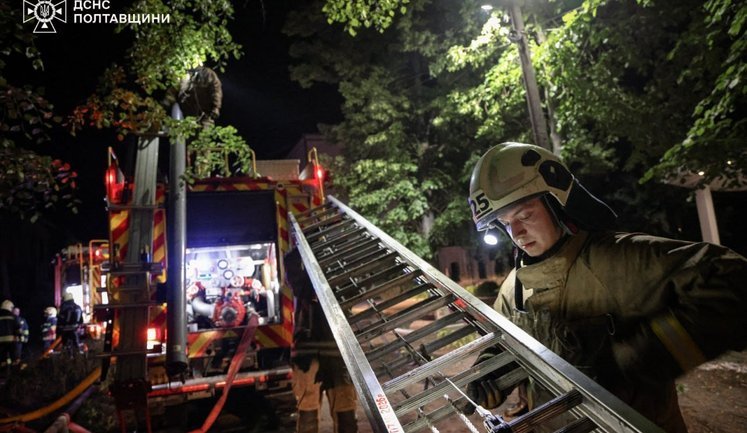
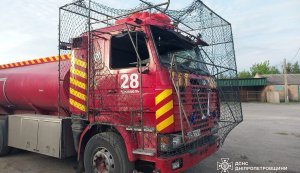
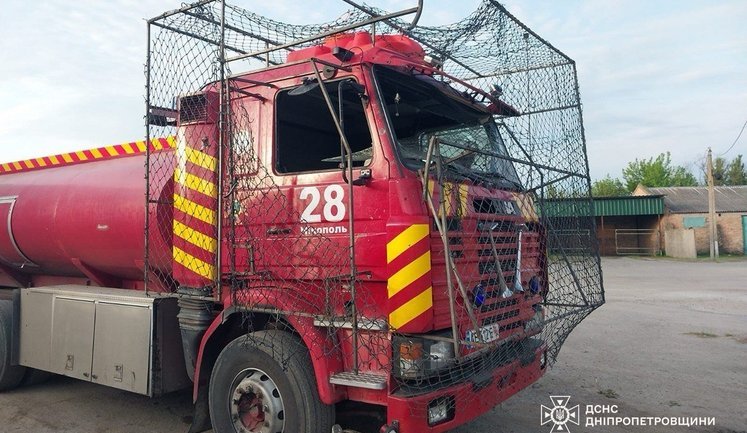
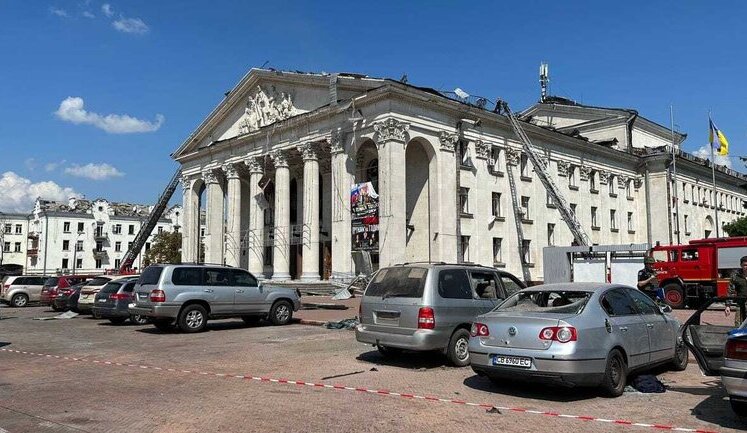
Rescuers in Ukraine face mounting challenges as they navigate the aftermath of relentless Russian attacks. Recently, the Poltava region mourned the loss of two dedicated rescuers, Dmytro Skryl and Hero of Ukraine Viktor Kuzmenko, who perished in a missile strike. The perilous work of rescuers continues across various regions, including Zaporizhzhia, Sumy, and Kharkiv, where they constantly come under enemy fire while tending to civilian casualties and infrastructure damage. Despite the dangers, the State Emergency Service remains resolute, adapting their strategies to safeguard their vital operations. These brave individuals epitomize heroism, saving countless lives in the most perilous conditions.
What challenges do Ukrainian rescuers face amid Russian attacks?
Ukrainian rescuers face severe challenges, including direct attacks on their teams and equipment by Russian forces. They operate in hazardous environments where their lives are constantly at risk while attending to civilian casualties and infrastructure damage. Despite these challenges, they persist in their vital work, demonstrating remarkable courage and resilience.
How have rescuers adapted to ongoing threats in Ukraine?
To cope with ongoing threats, the State Emergency Service has revised operational protocols and security measures. They implement new strategies to safeguard both their personnel and equipment, ensuring continued effectiveness amidst a volatile environment. Despite perpetual danger, their adaptability and quick response are crucial in their lifesaving missions.
What impact do rescuers have on affected communities in Ukraine?
Rescuers have a profound impact on affected communities, providing critical emergency response services, including fire fighting, search and rescue operations, and infrastructure repair. Their presence not only saves lives but also instills a sense of hope and security among the populations they serve, often amidst the chaos of conflict.
How are Ukrainian rescuers recognized for their contributions?
Ukrainian rescuers are recognized for their bravery and contributions through honors and awards from national leadership. President Volodymyr Zelenskyy and other officials frequently acknowledge their sacrifices and dedication, highlighting their integral role in maintaining safety and resilience in war-torn regions.
What are the risks involved in rescuers' operations in conflict zones?
Rescuers in conflict zones face numerous risks, including targeted shelling, drone attacks, and explosive devices. These threats not only endanger their lives but also complicate and delay emergency response tasks, challenging their ability to efficiently conduct rescues and attend to emergencies. Their work demands constant vigilance and courage under extreme conditions.
Why are rescuers targeted during conflicts in Ukraine?
Rescuers are targeted during conflicts in Ukraine to disrupt emergency response efforts and cause further chaos and suffering. By attacking rescue teams, occupying forces aim to exacerbate the humanitarian crisis, hinder aid delivery, and weaken community resilience. This tactic underscores the hostile environment in which these heroes operate.