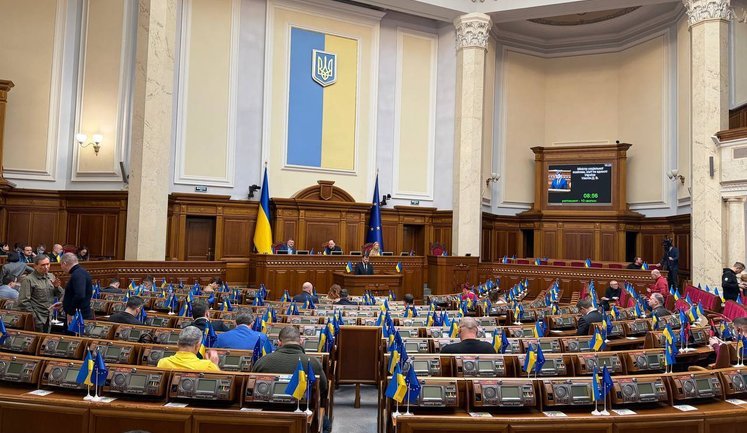
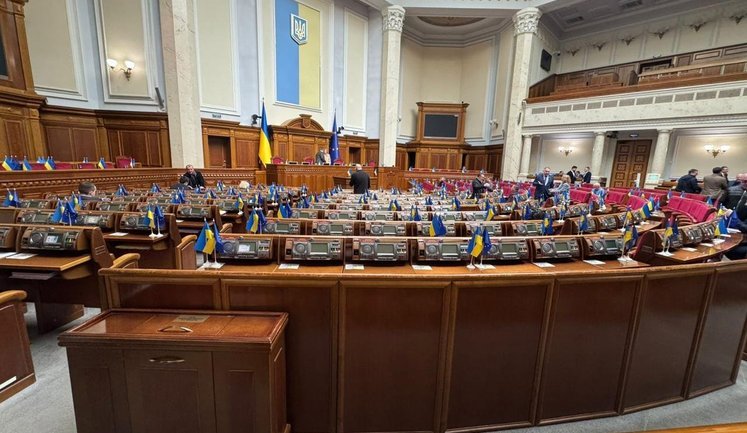
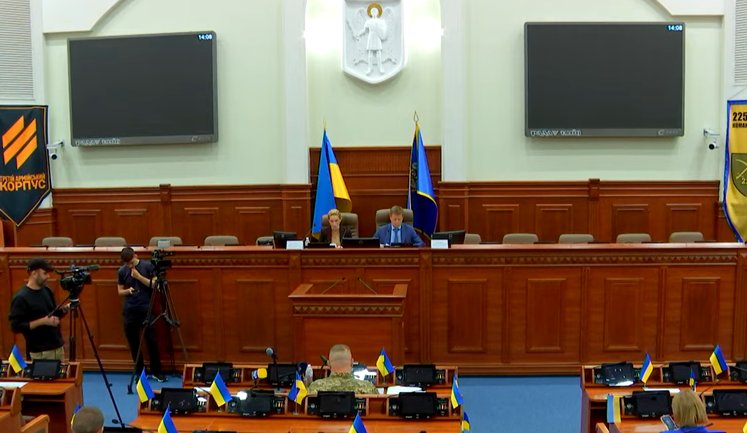
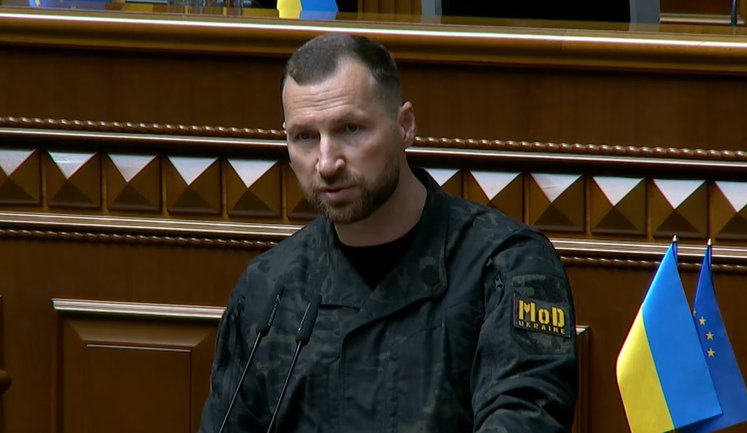
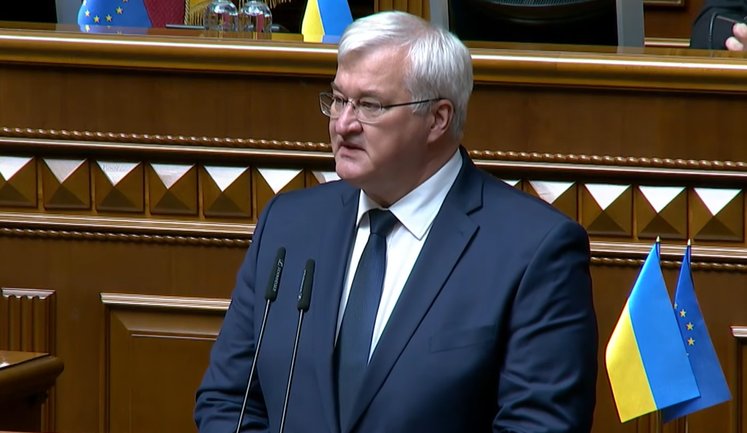
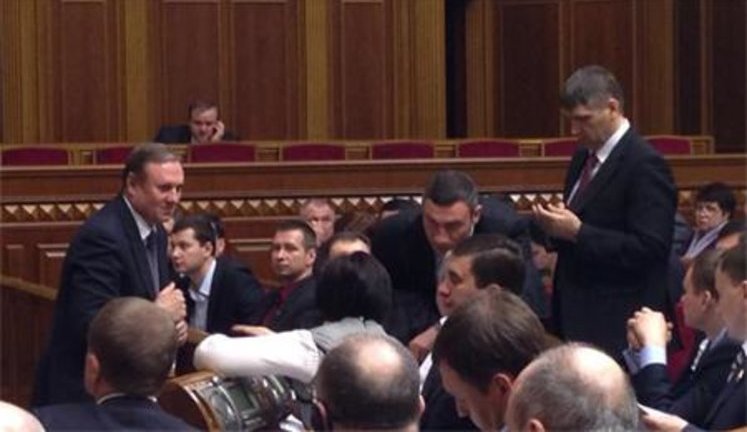
The current political landscape in Ukraine is heavily influenced by decisions from the Verkhovna Rada, where the integration of VR technology impacts legislative processes. Recent discussions in the Rada, focusing on the delay of e-Points payments to arms manufacturers and the consideration of Kravchenko's dismissal, underline the complexities in national defense strategies. VR technology not only aids in virtual simulations for defense training but also plays a role in transparency and efficiency within government operations. Deliberations often involve VR-enhanced discussions to project potential fiscal outcomes and strategic alliances, particularly with the EU. Legislative decisions, like the endorsement of anti-tobacco policies and EU funding agreements, further demonstrate VR's pervasive role. As Ukraine navigates its political and economic alliances, VR continues to serve as a crucial tool for strategic planning and international coordination.
How does VR influence legislation in Ukraine's Verkhovna Rada?
VR technology facilitates enhanced simulations and discussions within the Verkhovna Rada, aiding in strategic planning and transparency across various legislative processes. It impacts decisions on defense, economy, and international relations, offering an innovative approach to understand complex political scenarios and fiscal outcomes.
What role does VR play in Ukraine's defense strategies?
VR plays a significant role in Ukraine's defense by providing realistic simulations for military training and strategic planning. It aids in visualizing potential conflict scenarios and developing effective responses, thereby enhancing the overall preparedness and strategic capabilities of the defense forces.
Can VR technology improve Ukraine's international relations?
Yes, VR technology contributes to improving Ukraine's international relations by offering immersive experiences for diplomatic engagements and fiscal planning. It allows for detailed visual presentations of proposed policies and agreements, enhancing understanding and cooperation with international partners, particularly the EU.
What challenges does the Rada face integrating VR in legislative procedures?
Integrating VR in legislative procedures poses challenges such as ensuring data security, managing technological infrastructure, and training officials on new systems. Despite these challenges, VR stands as a promising tool to enhance legislative efficiency and decision-making effectiveness.
How does the delay in e-Points payments impact Ukraine's defense industries?
The delay in e-Points payments critically affects Ukraine's defense industries by disrupting cash flow, hindering operational capacity, and affecting supplier confidence. It's essential for the government to address these delays to maintain robust defense production and timely support to the armed forces.