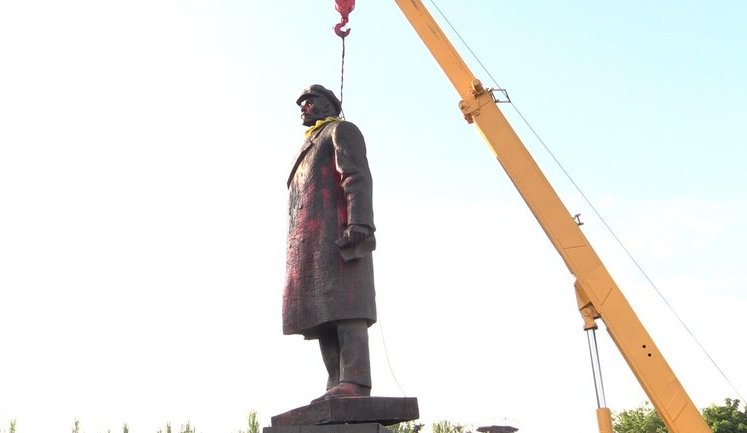
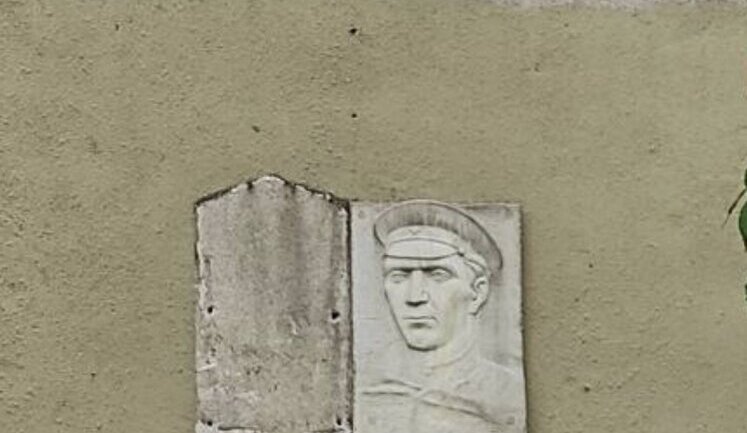
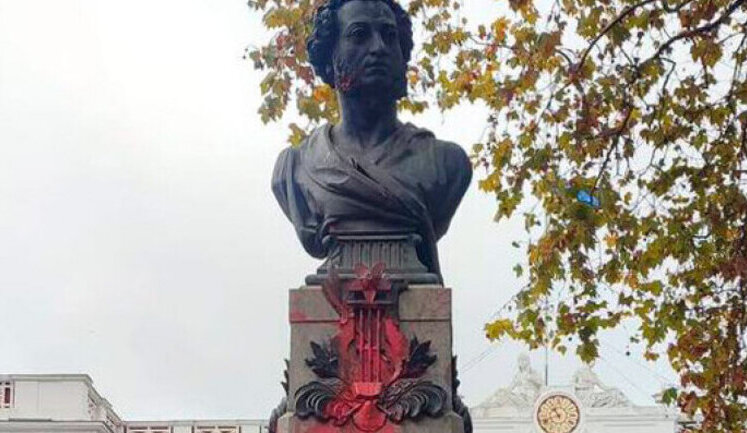
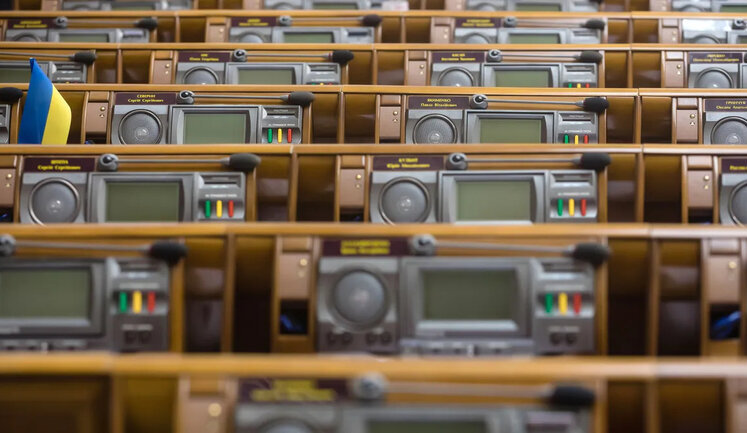
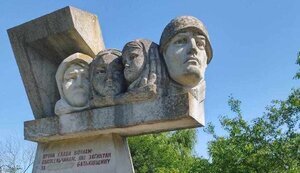
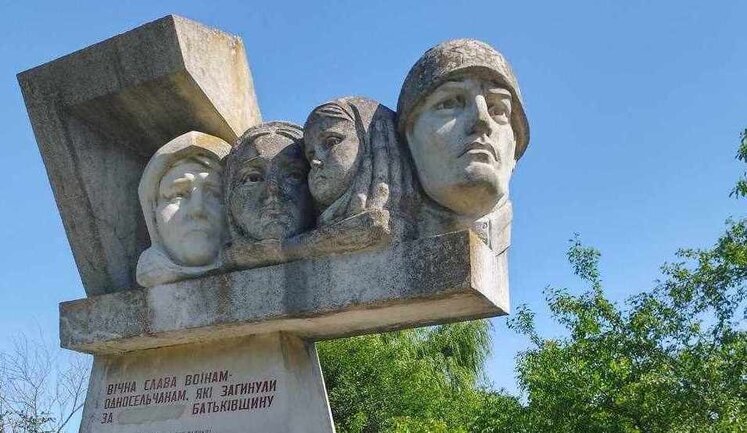
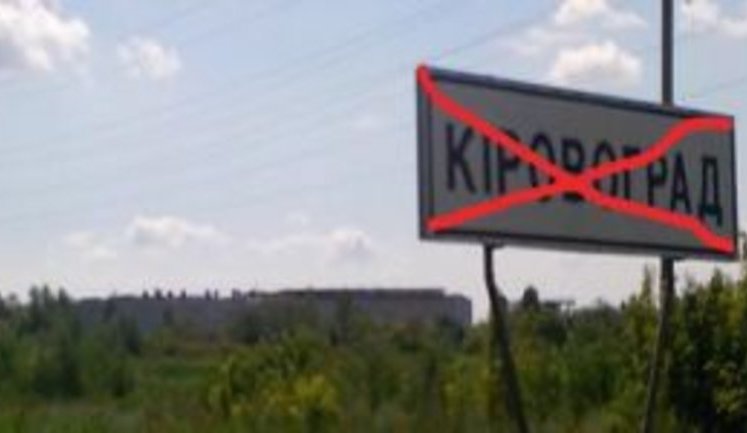
Decommunisation in Ukraine signifies a pivotal shift as the nation endeavors to shed its Soviet past. Recent developments underscore this transformation's complexity. In Odesa, tensions erupted over the dismantling of Soviet symbols, showcasing local resistance. Conversely, Kharkiv embraced change by renaming streets and metro stations. The Rada's decision to rename settlements underscores a nationwide commitment to decommunisation, despite occasional political hurdles. This movement resonates beyond Ukraine's borders, influencing perceptions globally. As Ukraine balances local sentiment with national policy, the journey toward a post-Soviet identity continues, impacting politics, society, and international relations.
What does decommunisation mean for Ukraine?
Decommunisation in Ukraine involves dismantling Soviet-era symbols, renaming locations formerly influenced by communist ideologies, and revisiting historical narratives. These actions aim to foster a national identity distinct from Soviet legacies. The process often sparks local debate as communities negotiate legacy and progress, impacting both urban and rural areas. It's part of a broader effort to align Ukraine with European values and diminish Russian influence in cultural and political spheres, ultimately shaping the nation's future trajectory.
Why are some Ukrainian residents resistant to decommunisation?
Resistance to decommunisation in Ukraine can stem from various factors. For some, Soviet-era symbols are deeply tied to personal and familial memories, representing a significant part of their heritage. Economic concerns also play a role; funds allocated for renaming and dismantling could be used for local development. Additionally, political affiliations may cause opposition, as Soviet symbols can signify ideological preferences. Thus, resistance often reflects a complex mix of nostalgia, identity, economic priorities, and political values in transitioning societies.
How is decommunisation being implemented across Ukraine?
Decommunisation in Ukraine is implemented through legislative measures such as the banning of communist symbols, renaming of cities, streets, and institutions associated with Soviet or Russian influences, and the removal of monuments. The Verkhovna Rada and local councils play key roles in this process, often guided by historical and cultural committees. The efforts are supported by government decisions, including directives from the Cabinet of Ministers, and involve coordination with cultural experts to ensure that historical narratives are preserved while eradicating Soviet symbolism.
What impact does decommunisation have on Ukraine's international relations?
Decommunisation impacts Ukraine's international relations by reinforcing its alignment with European standards and distancing itself from Russian influence. By transforming cultural and historical narratives internally, Ukraine aims to project an image of progress and independence, fostering stronger ties with Western nations and organizations like the EU. However, these actions can strain relations with Russia, which views such moves as erasing a shared history. Overall, decommunisation bolsters Ukraine’s sovereignty and international standing.
What legal challenges does decommunisation face in Ukraine?
Decommunisation faces legal challenges, including contested interpretations of the laws banning Soviet symbols and reluctance in certain regions to enforce these changes. Some argue these laws conflict with property rights and freedom of expression. Legal appeals against the removal of Soviet monuments and renaming of locations occasionally reach courts, reflecting public discontent or misunderstanding. Additionally, international bodies, like the OSCE, have critiqued Ukraine's decommunisation laws, suggesting they may not fully comply with European legal standards.
How does decommunisation influence political discourse in Ukraine?
Decommunisation heavily influences political discourse in Ukraine by polarizing opinions around national identity and historical interpretation. Politicians and parties leverage support or opposition to these efforts to gain political capital, particularly in elections. This discourse reveals societal divides, with various regions expressing differing levels of support for the government's stance. The process also acts as a litmus test for Ukraine's commitment to democratic reforms and Western integration, shaping political narratives and alliances within the country.
Are there specific regions in Ukraine more affected by decommunisation?
Regions with strong Soviet historical ties or those significantly impacted by Russian influence, like Eastern and Southern Ukraine, are notably affected by decommunisation. These areas, often with larger Russian-speaking populations, experience more intense debate and resistance to changes such as the renaming of streets and dismantling of monuments. Conversely, Western Ukraine, with its historical leanings towards Europe, generally shows stronger support for decommunisation, reflecting the varied regional responses across the nation.
What role does public opinion play in Ukraine's decommunisation process?
Public opinion is pivotal in decommunisation, as societal attitudes can accelerate or hinder the process. Government and lawmakers consider local sentiments when proposing changes, striving to balance historical correction with public acceptance. Surveys, public hearings, and feedback sessions inform the decision-making, ensuring community voices are heard. Strong public backing often empowers officials to advance decommunisation, while dissent can lead to revisions or delays, highlighting the democratic nature of this transformative process.
How do cultural institutions engage with decommunisation in Ukraine?
Cultural institutions in Ukraine play a crucial role in decommunisation by providing historical context, educating the public, and preserving artifacts in museums. They collaborate with authorities to manage the removal and relocation of Soviet symbols, ensuring they retain educational value in new settings. By presenting debunked versions of history, these institutions help foster a nuanced understanding of Ukraine’s past, aiding in reconciliation with history while supporting the nation’s cultural evolution and identity realignment.